Exploring the Controversial Ending of The Last of Us Part II
Exploring the Controversial Ending of The Last of Us Part II
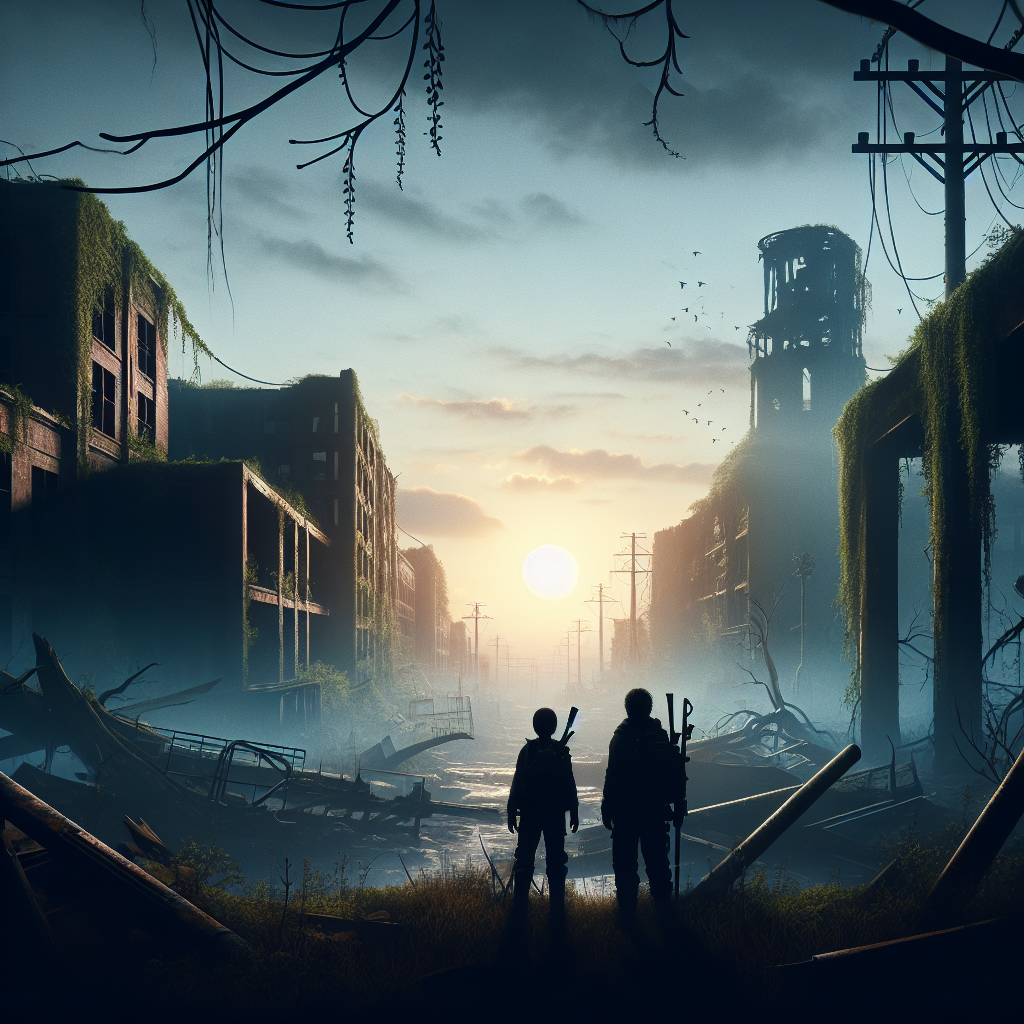
The Last of Us Part II, developed by Naughty Dog and released in 2020, is a game that sparked conversations across the gaming community, chiefly due to its polarizing ending. Gamers encountered a narrative that dared to defy expectations, eliciting a wide range of emotions and interpretations. Understanding why this ending provoked such strong reactions requires examining the themes, character motivations, and narrative decisions involved.
Ellie’s relentless pursuit of revenge is a driving force in The Last of Us Part II, and it reaches its zenith in the game’s climactic final confrontation with Abby. This showdown, set on the shores of Santa Barbara, is both intense and emotional. The game places players in Ellie’s shoes as she grapples with the desire to avenge Joel, her surrogate father, who was brutally murdered at the start of the game. Throughout her journey, Ellie faces brutal hardships and becomes increasingly consumed by hatred, which directly impacts her relationships and mental health.
Abby, on the other hand, stands as Ellie’s complex foil. Driven by her own quest for vengeance against Joel for killing her father, a surgeon who was poised to create a cure for the Cordyceps infection, Abby’s path parallels Ellie’s in many ways. As players follow her story, they see her transform from a seemingly cold-hearted antagonist to a nuanced character with her own struggles and motivations, fostering a sense of empathy and understanding.
This dual perspective is crucial for the narrative’s impact. By immersively exploring both Ellie and Abby’s stories, the game asks players to confront their own biases and prejudices. This narrative structure is a deliberate choice by Naughty Dog to challenge traditional notions of heroism and villainy. The line between protagonist and antagonist blurs as the game progresses, ultimately leading to a more profound commentary on the cycles of violence and the human capacity for empathy and redemption.
The decision to have Ellie spare Abby in their final battle was particularly divisive among players. Some felt it was a betrayal of Ellie’s character arc, while others saw it as a powerful moment of growth and self-reflection. By choosing not to kill Abby, Ellie breaks the cycle of violence that has consumed both their lives. This decision can be interpreted as an act of mercy or a realization of the futility of revenge. Despite this moment of compassion, Ellie is left with profound loss and regret, losing not only her desire for vengeance but also her connection to those she loved.
The game’s ending presents a stark scene where Ellie returns to an empty farmhouse that she once shared with Dina. The absence of her partner and their adopted child serves as a poignant reminder of the consequences of her choices. This outcome amplifies the themes of sacrifice and the cost of obsession, leaving players to ponder the heavy price of Ellie’s actions.
The narrative choice to leave so many questions unanswered, alongside the open-ended nature of the conclusion, encourages players to reflect on what they value most in storytelling. Do they prioritize vengeance and justice, or are healing and forgiveness more important? The game refrains from imposing a moral standpoint, allowing players to interpret the ending through their personal lens.
Analyzing the controversy surrounding The Last of Us Part II’s ending also requires acknowledging the expectations set by its predecessor. The Last of Us, released in 2013, concluded with Joel’s morally ambiguous decision to save Ellie at the expense of humanity’s potential cure. Many fans anticipated that the sequel would explore the ramifications of that choice. However, the sequel’s focus on new characters and narratives subverted these expectations.
Moreover, the game’s brutal realism and unflinching depiction of violence initiated discussions about the portrayal of pain and trauma in video games. Critics questioned whether the narrative justified the level of violence depicted or if it crossed a line in its pursuit of emotional impact. Yet, others praised it for confronting difficult subjects head-on, arguing that the visceral nature of the story was integral to its message.
The voice acting and motion capture performances, particularly by Ashley Johnson (Ellie) and Laura Bailey (Abby), played a significant role in delivering the emotive weight of the story. Their performances were lauded for their depth and subtlety, bringing authenticity to the complex emotional journeys of their characters. This level of craftsmanship in storytelling was key to eliciting empathy from players, despite any initial reluctance to accept Abby or question Ellie’s motives.
From a technical perspective, The Last of Us Part II was a marvel of game design, showcasing detailed environments, realistic animations, and cutting-edge graphics. The technical prowess of the game heightened its immersive quality, further drawing players into the post-apocalyptic world and the lives of its inhabitants. The integration of gameplay with narrative elements was seamless, ensuring that players felt every heartbeat of tension and every moment of release.
The sound design and musical score, composed by Gustavo Santaolalla, also contributed significantly to the atmosphere, enhancing emotional beats and underscoring the game’s themes with haunting melodies. The interplay between the visual and auditory elements crafted an experience that resonated emotionally with audiences, regardless of their stance on the narrative choices.
The Last of Us Part II is a masterclass in storytelling, daring to take risks and provoke thought. Its ending, controversial as it may be, serves as a testament to the power of video games as a medium for complex narrative delivery. By challenging norms and prompting players to actively engage with its moral and ethical dilemmas, the game leaves an indelible mark on the landscape of interactive storytelling.
The comprehensive analysis of The Last of Us Part II’s ending reveals the intricate balance between character development, narrative expectations, and thematic depth. Discussions it has sparked continue to influence how stories are told in video games, emphasizing the medium’s capacity to evoke profound reflection and emotional investment. As players and critics reassess their initial reactions, the game remains a touchstone for dialog on storytelling and the human experience within the interactive domain.












Post Comment