Exploring the Art of Warding in Dota 2
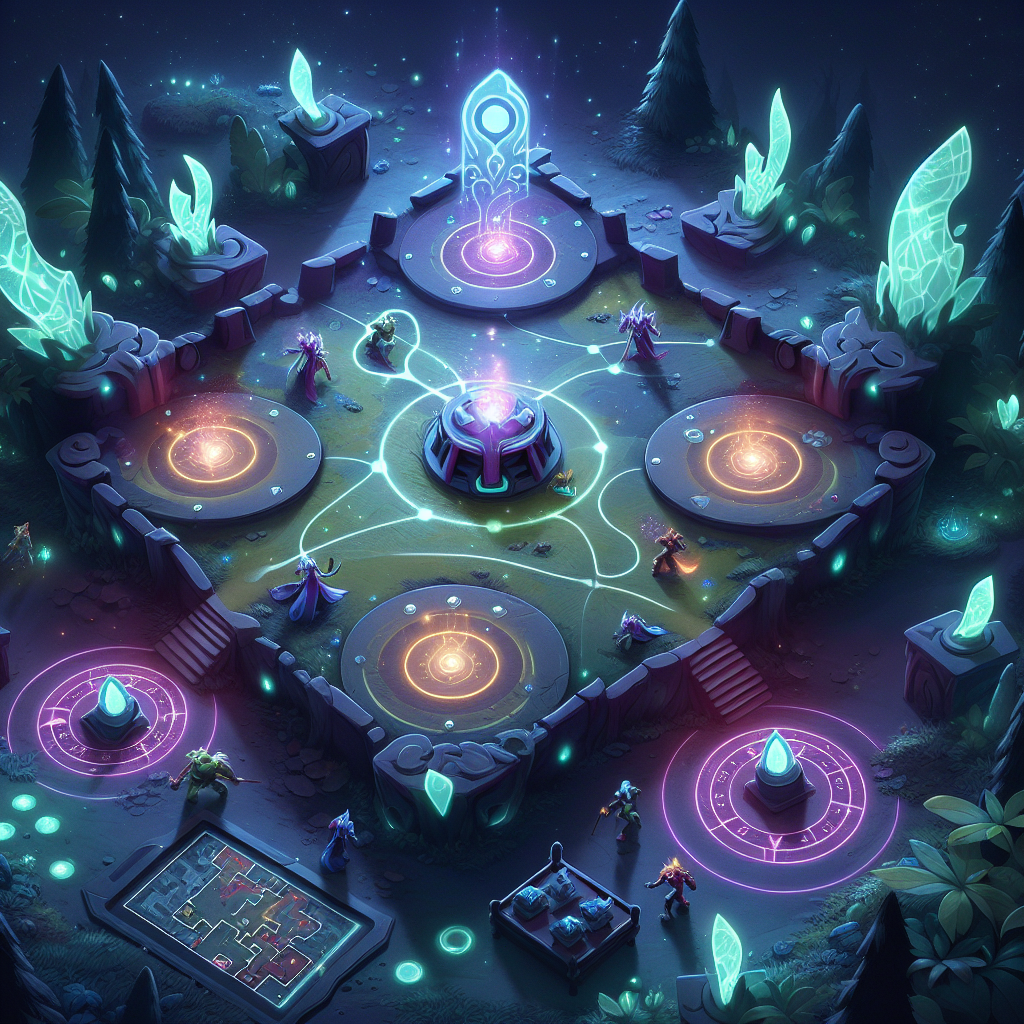
Warding in Dota 2 is an essential skill that can significantly influence the outcome of a game. It revolves around the strategic placement of Observer Wards and Sentry Wards to gain vision and control over the map. Mastering this art requires a deep understanding of the game mechanics, hero roles, map awareness, and the psychological strategies of opponents. Let’s explore the intricacies of warding in Dota 2, examining the types of wards, placement strategies, and the broader tactical benefits they offer.
Types of Wards and Their Functions
In Dota 2, there are two primary types of wards: Observer Wards and Sentry Wards. Observer Wards provide valuable vision of the map without revealing the ward itself, giving your team critical information about enemy movements, impending ganks, or opportunities for strategic plays such as Roshan attempts. These wards are invisible and last for six minutes. Meanwhile, Sentry Wards are used to detect invisible units or other wards. They don’t offer direct vision but are crucial for countering enemy wards or heroes with invisibility, creating opportunities to secure map control.
Strategic Placement of Observer Wards
Observer Wards must be placed with strategic foresight. Popular locations include high-ground areas that offer wide vision, such as mid-lane high ground, the river cliffs, and jungle entrances. These spots can unveil enemy rotations, courier movements, and river runes. Another critical tactic is to ward less conventional spots to prevent enemy dewarding and to provide unexpected vision, thwarting enemy gank plans and protecting farming cores. Each placement should serve a specific purpose—whether that is protecting a carry while farming, enabling aggressive plays, or researching enemy movements unrelated to immediate ganking or team fighting.
Effective Utilization of Sentry Wards
Sentry Wards play a pivotal role in gaining map superiority. They are often used in conjunction with Observer Wards to deward enemy vision, granting your team an advantage in map control. An effective use of sentries can change the flow of the game by restricting or exposing the enemy team’s map visibility. Placement of Sentry Wards is crucial near objectives like Roshan or towers. It’s equally important to use them defensively to prevent invisible ganks on susceptible heroes. Understanding the enemy team composition and potential wards they might place can guide effective Sentry Ward positioning.
Economic and Tactical Implications of Warding
Incorporating Wards effectively into your team’s strategy also involves considering their economic implications. Observers are a finite resource with a cooldown, stressing the importance of strategic timing when placing them. It’s vital to balance ward usage between defensive and offensive plays while minimizing the economic burden on the player responsible for purchasing them, typically the support. Teams must prioritize which area needs vision at any given time based on game dynamics. Proper warding not only boosts map awareness but also leads to resource efficient plays, reducing unnecessary risks and maximizing potential gains.
Synergy with Hero Roles and Strategies
Each hero in Dota 2 has unique abilities and roles within a team that dictate their best use of wards. The responsibility for warding often falls on support heroes who possess the flexibility to move around the map. Heroes like Crystal Maiden or Lion can make excellent ward carriers due to their support role, roaming potential, and general ability to provide utility across the map. Mid laners can also benefit from warding to secure critical rune control, thus enhancing their laning stage and subsequent game impact. Additionally, certain offlaners can capitalize on strategic wards to forecast enemy farm patterns and rotations, allowing them to play aggressively or defensively as needed.
Counter-Warding Tactics
Counter-warding is a proactive approach to deny enemy vision, significantly crippling their map awareness and strategic power. It involves meticulous placement of Sentry Wards in suspected Observer Ward spots based on your team’s knowledge of common ward placements or observation of enemy movements. Understanding the concept of ‘warding minds games’ where players deliberately alter their ward spots to mislead the enemy can give a distinct advantage, particularly when attempting to secure objectives like Roshan or outer towers.
Psychological Aspects and Team Coordination
Effective warding extends to understanding the psychological aspect of Dota 2. Predicting enemy movements and ward placements based on behavior patterns and the flow of engagements can improve your own team’s warding strategies. Communication and coordination with your team are vital to ensure that the vision provided aligns with your team’s objectives. Constant and clear communication about observed enemy heroes and potential ambushes helps prevent unnecessary losses and supports tactical decisions.
Importance of Adaptive Warding
Warding is not a static part of the game. As the game progresses, warding tactics must adapt. During the early game, vision in the lanes and jungle can provide protection for carries and enable aggressive setups. However, in the late game, vision might need to shift to cover high ground near the base or to key outposts, controlling pivotal chokepoints. Adapting to enemy dewarding patterns, hero power spikes, and shifting map control can provide your team with the strategic edge needed to apply pressure or retreat effectively.
The Contribution of Professional Play
Studying professional Dota 2 matches can greatly enhance a player’s understanding of warding. Professional teams meticulously plan their ward placements, often laying down a network of vision that guides their strategies. Observing such matches can reveal innovative ward spots, synergy between hero drafts, and how top-tier players adjust their warding strategies in real-time based on the competitive landscape. These insights can be translated into pub games to elevate personal gameplay effectively.
In Dota 2, the art of warding is much more than a task—it’s a craft. Whether you’re supporting from the backlines or leading the charge, learning how to effectively manage and utilize wards can shape the destiny of your team. By combining map awareness, resource management, tactical foresight, and keen game sense, players can unlock a deeper level of strategic play. The nuances of warding demonstrate the richness of Dota 2, emphasizing why it continues to be celebrated as a highly strategic and challenging esport.











Post Comment