Evolution of Dota 2 Character Designs
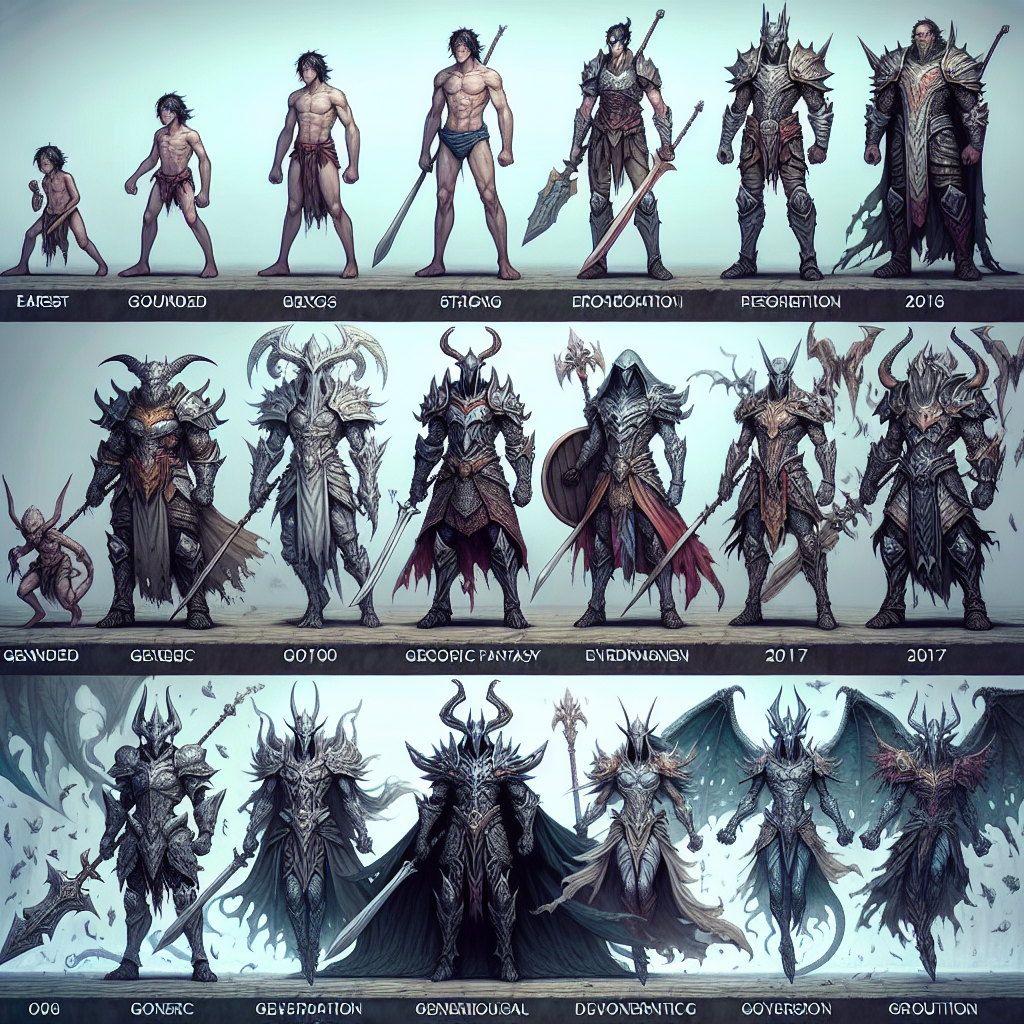
Dota 2, a leading multiplayer online battle arena (MOBA) game developed by Valve Corporation, has captivated gaming enthusiasts worldwide since its release in 2013. Notably, the game’s character design has evolved significantly, reflecting broader trends in game design, technology, and player preferences. Each step in this evolution not only enhanced the visual appeal but also deepened player engagement, as character designs were intricately linked with gameplay mechanics and narratives. As we delve into the key phases of Dota 2’s character design evolution, we will explore the artistic, technological, and cultural factors that have influenced these transformations.
The character designs in Dota 2 began with strong foundations from its predecessor, Defense of the Ancients (DotA), a mod for Warcraft III. Earlier designs were bound by the limitations of Warcraft III’s engine, where model customization was restricted. Initially, Dota 2 characters retained similar thematic elements, with Valve focusing on upgrading visual fidelity and ensuring characters felt familiar to veteran players. However, Valve soon embarked on a journey to differentiate Dota 2 through distinct, high-quality designs.
One of the first major steps in evolving Dota 2’s character design was achieving a unique artistic identity. Valve invested in modernizing the aesthetic while maintaining ties to the fantasy elements of the original DotA. The design team employed a vibrant color palette and detailed textures, improving the visual depth and clarity of each character. This artistic revamp allowed characters to stand out on the battlefield while making them visually cohesive with the game’s setting.
The transition from the original DotA provided a platform for Valve to incorporate updated animations and effects, vital in enhancing the dynamic feel of battles. Characters were redesigned with improved skeletal rigs and more fluid animations, making their abilities and movement in the game more lifelike and expressive. This not only improved the visual appeal but also provided better communicative cues in gameplay, such as clearer visibility of skill ranges and effects.
Valve’s adoption of the Source 2 engine further propelled the evolution of character designs. This engine upgrade introduced better lighting, more complex shading, and improved environmental interactions. These enhancements afforded characters a more realistic appearance and allowed for more nuanced details, such as reflective surfaces on armor or the impact of magical effects. With the Source 2 engine, characters were also able to interact with their surroundings in more immersive ways, contributing to the strategic depth of the game.
Player feedback has also played a crucial role in shaping Dota 2’s character evolution. Valve has been responsive to the community, often redesigning characters to align with player expectations or to clarify gameplay mechanics. This iterative approach has ensured that characters not only look appealing but also serve functional roles, such as visually communicating power levels or suitability for particular in-game situations.
Culturally, Dota 2’s character designs have evolved to resonate with a global audience. Originally steeped in Western fantasy tropes, the designs have expanded to include influences from a diverse range of myths and historical archetypes. This cultural diversification has helped broaden the game’s appeal and fostered a more inclusive environment for its global player base. Characters often reflect more than just a visual style, embodying rich backstories and cultural motifs that deepen their narrative significance in the game.
The business model of Dota 2 has also influenced character design evolution. With a significant portion of revenues coming from cosmetic items, Valve introduced the concept of skins—alternate aesthetic versions of characters. These skins offer players a means of personalization while maintaining the character’s core design and functional silhouette. Each cosmetic set provides an opportunity to experiment with different stylistic choices, such as steampunk, futuristic, or seasonal themes, without disrupting gameplay balance.
Moreover, Dota 2 events, such as The International, have become pivotal moments for introducing new character designs and updates. These moments of peak player engagement often coincide with the release of exclusive cosmetics and visual effects that enhance the excitement surrounding the competitive scene. Event-driven updates ensure that character designs remain fresh and aligned with current gaming trends, sustaining ongoing player interest.
As technology and artistic tools continue to evolve, so too will the character designs in Dota 2. Emerging trends such as ray-tracing, AI-driven animations, and more sophisticated physics engines hold the potential to revolutionize how characters in Dota 2 are conceived and interact. The development of virtual reality (VR) and augmented reality (AR) technologies may open new avenues for immersive gameplay experiences, potentially influencing future character design considerations.
The evolution of Dota 2 character designs is a testament to the game’s adaptability and Valve’s commitment to innovation. The seamless integration of technological advancements, cultural inclusivity, and player-driven improvements has ensured that Dota 2 remains at the forefront of the MOBA genre. As we look to the future, it’s clear that Valve’s focus on high-quality, engaging, and diverse character designs will continue to attract and captivate audiences around the world, maintaining Dota 2’s status as a beloved and iconic game.


Post Comment