Counter-Strike 2 Map Design: Enhancing Player Strategy
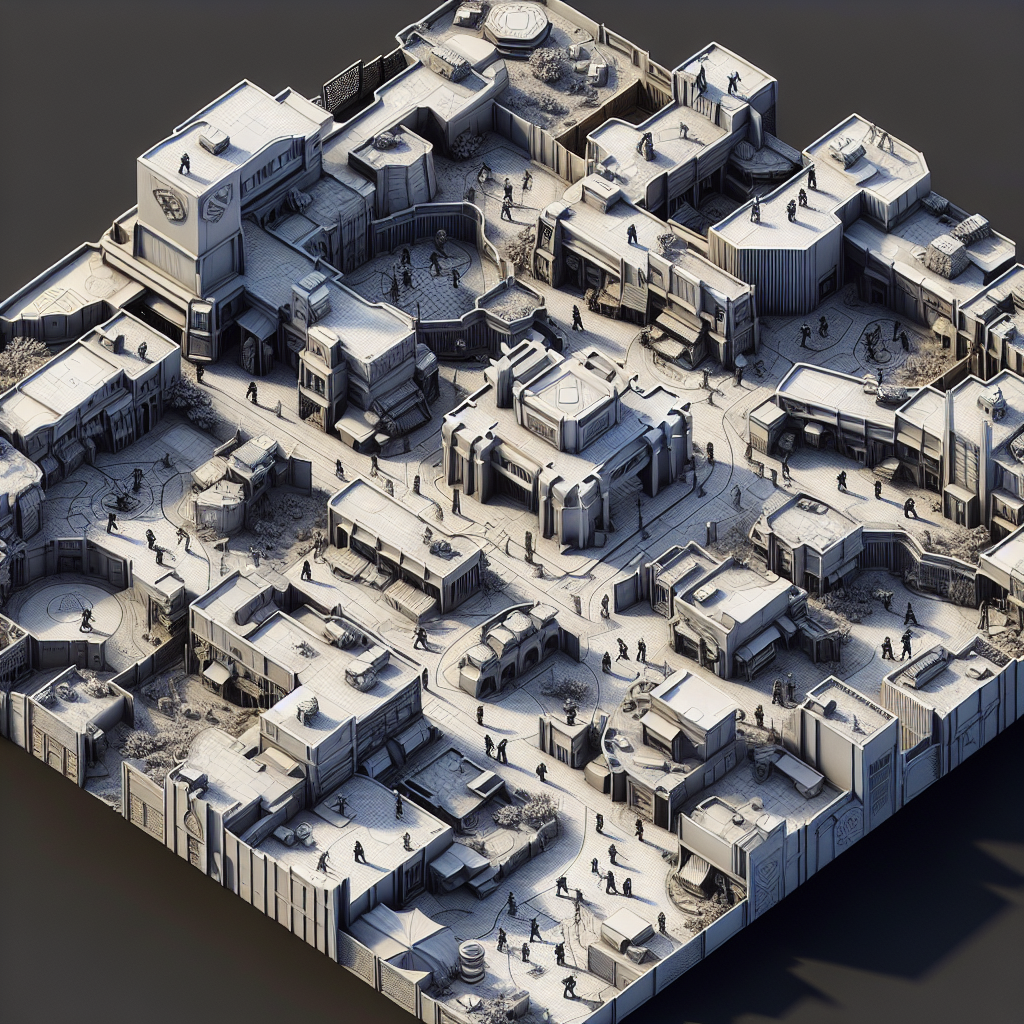
Counter-Strike 2 has taken the gaming community by storm, revitalizing the legendary Counter-Strike series with its emphasis on innovation, strategic depth, and breathtaking visuals. One of the critical aspects of this new installment is the map design, which has been meticulously crafted to enhance player strategy at every turn. Whether a seasoned veteran or a newcomer to the series, understanding the intricacies of these maps is crucial for achieving victory and mastering the game’s competitive landscape.
Map design in Counter-Strike 2 is more than just about aesthetics; it creates a dynamic environment that influences gameplay dynamics and tactical decisions. The developers have paid keen attention to elements like line of sight, chokepoints, and environmental interactive features, ensuring that players are presented with opportunities to employ a variety of strategies.
Line of sight is a foundational component when it comes to map design. In Counter-Strike 2 maps, sightlines are carefully calibrated to balance offense and defense. Sniping spots are tactically placed to provide overwatch on high-traffic areas, yet they are countered with multiple avenues of approach to prevent them from becoming overpowered positions. This careful balance encourages players to utilize both long-range and close-quarters strategies depending on the situation and their team composition.
Chokepoints in Counter-Strike 2 have been innovatively redefined to offer a more balanced and dynamic gameplay experience. These critical zones are designed to be hotspots of tactical skirmishes, prompting teams to coordinate their attacks and defenses meticulously. By incorporating multiple routes through or around chokepoints, the map design encourages fluid movement and necessitates quick decision-making. This not only keeps engagements unpredictable but also allows for creative play-by-team strategies, such as flanking or setting up crossfires.
The introduction of environmental interactiveness is a game-changer in Counter-Strike 2. Certain maps feature dynamic elements like doors that can be opened or closed, moveable crates for makeshift cover, and destructible walls that create new passageways. These features expand strategic possibilities and force players to adapt their tactics in real-time. For example, players may decide to block a doorway to funnel opponents into a kill zone or destroy a wall to create a new flank route. Such environmental strategy brings a new layer of depth to map navigation and combat tactics.
In addition to these elements, the design philosophy behind Counter-Strike 2 maps emphasizes fair play and competitive balance. The maps are symmetrical or offer balanced asymmetry, ensuring that no team has an inherent advantage based simply on starting position. Each map features multiple spawning points, reducing predictability and allowing teams to experiment with various opening tactics and strategy formulations from the get-go.
Map textures and visual elements play a significant role in player immersion and strategy formulation. With Counter-Strike 2’s advanced graphical capabilities, maps boast a high level of detail and realism. This visual fidelity isn’t just for show; it contributes to gameplay by improving player awareness. With clearer visuals, players can spot opponents more effectively and rely on subtle visual cues to time their actions, such as the glint of a scope or the rustling of environment-specific textures.
The use of lighting has been particularly strategic, with varied lighting scenarios creating opportunities for players to use shadows for stealth or to momentarily blind opponents with flashes of brightness. Lighting can dictate the flow of a match, as brighter areas tend to attract action while darker corners can serve as perfect ambush spots. Understanding these elements allows players to leverage the map environment to their advantage and optimize their strategies based on both team dynamics and personal playstyles.
Sound design complements visual elements by providing auditory cues that savvy players can exploit. From the footfalls of opposing players echoing through corridors to the clatter of gunfire reverberating through open spaces, sound is an integral part of map strategy. Experienced players use auditory information to pinpoint enemy movements, coordinate with teammates without relying on visual confirmation, and execute sneak attacks under the cover of distracting noise.
Beyond individual elements, Counter-Strike 2’s map design is deeply intertwined with the game’s meta and strategic contemplations. Players must learn the layouts and intricacies of each map to optimize their performance. This often means studying specific callouts, understanding bombsite placements, and mastering the timing of rotations between key areas. In high-level play, map control becomes a chess-like strategic battle, where each territorial gain or loss can have ripple effects on the outcome of a round.
An effective map design in Counter-Strike 2 acknowledges the diversity of player tactics and offers a stage where multiple strategic approaches can thrive. Whether executing a full-frontal assault, employing sneaky guerilla tactics, or establishing defensive strongholds, the design allows for creativity and adaptation. Each game becomes an evolving narrative shaped by player choices, experiences, and teamwork.
A noteworthy aspect of Counter-Strike 2 maps is their ability to facilitate teamwork and communication, which are crucial elements of successful strategy. Well-designed maps provide clear avenues for players to communicate effectively and coordinate their strategies. Callable areas, intuitive layouts, and recognizable landmarks contribute to seamless team operations, making it easier for players to relay information and execute complex maneuvers.
In addition to traditional tactics, the new generation of Counter-Strike players is also engaging with map design in creative ways through advanced tactics like smoke manipulation and boosting. Smoke grenades can obscure vision and control zones temporarily, but their effectiveness depends on understanding wind patterns and map ventilation paths. Similarly, boosting allows players to reach unexpected vantage points, permitting them to surprise opponents or gather intelligence.
As esports grows, map design in Counter-Strike 2 will continue to be scrutinized, adapted, and appreciated for its role in competitive dynamics. The maps are built not just for casual enjoyment but also to withstand the rigorous demands of professional play. Every corner, obstacle, and detail is a potential piece of the complex puzzle that teams must navigate and master to succeed at the highest levels.
In the current landscape of multiplayer shooters, Counter-Strike 2 sets itself apart through its precise, strategic map design that enhances player engagement and competitive depth. As the player community expands and strategies evolve, the maps of Counter-Strike 2 will continue to be a battleground for innovation, collaboration, and high-stakes competition. Each map is a canvas upon which players paint their narratives, and understanding the particulars of these environments will define the line between victory and defeat.









Post Comment