Counter-Strike 2: From Concept to Launch
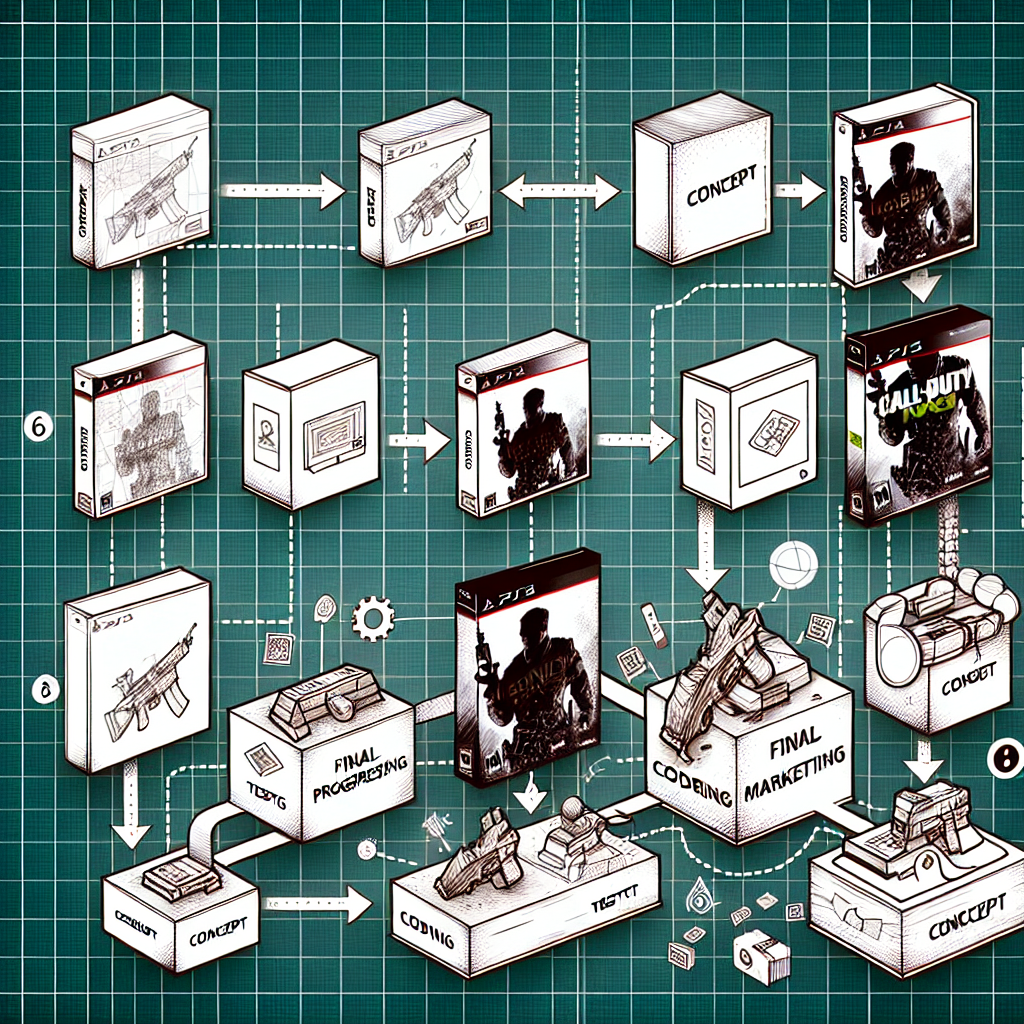
Counter-Strike 2 has emerged as a milestone in the revered legacy of multiplayer first-person shooter games. Building upon the immense popularity of its predecessor, Counter-Strike: Global Offensive (CS:GO), this successor is the culmination of innovative vision, robust design, and a focus on community engagement. This piece unravels the journey of Counter-Strike 2 from concept to launch, the technological advancements it heralded, and its impact on the gaming landscape.
Counter-Strike 2’s foundation was laid on the robust pillars of its predecessors. The series, originally born as a mod for Half-Life in 1999, quickly evolved into an independent cultural phenomenon. With each iteration, from the original Counter-Strike to CS:GO, the series offered a commitment to tactical gameplay and competitive balance. To envision a second installment, developers had to maintain these elements while promising innovation. A meticulous blueprint was necessary, one that demanded intricate planning and understanding of current gaming trends.
Key to this strategic planning was Valve’s deep dive into data analytics. The team extensively analyzed community feedback and gameplay data from CS:GO, aiming to identify what players desperately wanted and any fatigue points with long-standing mechanics or features. This feedback was crucial, not only to evolve the Shooting mechanics but also to build on the social and competitive aspects integral to Counter-Strike’s DNA. Concepts such as dynamic maps, refined physics, and an enriched tactical arsenal were outlined early in development.
Valve’s Source 2 engine played a pivotal role in Counter-Strike 2’s development. While CS:GO was immensely popular, its aging engine was a bottleneck for further innovations. Source 2 promised a paradigm shift, offering better graphical fidelity, physics simulation, and, crucially, scalability across different hardware. This capability ensured Counter-Strike 2 could deliver stunning visuals without alienating users on lower-end systems—a key strategy to retain and grow its player base. This shift enabled sharper textures, improved lighting, and more responsive environments where the impact of explosions or player movement subtly altered gameplay strategies.
Understanding the modern gamer’s expectations for visual grandeur was just the beginning. Valve ensured that Counter-Strike 2 was engineered for seamless competitive play. Central to this was their approach to matchmaking and anti-cheat systems. Steam’s vast network and cloud computing capabilities were employed to create a smart matchmaking system that promised fairer matches based on skill level, play history, and behavioral analytics. Extensive investment was also made to fortify the game’s security against cheating—a perennial issue in online gaming. Valve leveraged machine learning algorithms to identify and thwart malicious activities, thereby building trust within the competitive community.
One of the most exciting advancements in Counter-Strike 2 was the introduction of AI-driven bots. While bots are not a new feature, their intelligence and adaptability in this iteration marked a significant leap forward. AI bots were designed to simulate human-like strategic thinking, learning from player behaviors and adapting their tactics accordingly. This development not only provided an engaging single-player experience but also served as a practice medium for players honing their skills before entering ranked matches.
Community engagement was central to the development ethos of Counter-Strike 2. Open communication lines and early access programs were set up to collect player feedback during the beta testing phases. This allowed for iterative improvements and engagement cycles, ensuring that major features and changes resonated well with the community. Valve meticulously documented feedback on everything from weapon balancing to new map designs, reinforcing a sense of community-driven development.
Maps have always been the heart of Counter-Strike, serving as theaters for millions of tactical skirmishes. In Counter-Strike 2, classic maps like Dust II and Inferno were not merely replicated but modernized for better flow and tactical depth. New maps were introduced, designed with varied elevations, destructible elements, and interactive components that offered fresh challenges. The dynamic nature of these maps encouraged players to adapt their strategies, keeping the gameplay experience dynamic and unpredictable.
Counter-Strike 2’s arsenal saw a blend of nostalgic weapons and new entries that diversified combat strategies. The development team ensured weapons were meticulously balanced to maintain the competitive integrity of gameplay. Each weapon’s role—whether sniper, assault, or melee—was carefully calibrated to ensure players had a wide array of tactical options. Regular patches promised continuous refinement based on gameplay analytics, empowering players to explore diverse playstyles.
Economies in Counter-Strike games have traditionally revolved around in-game currency for weapon purchases each round. Counter-Strike 2 introduced subtle changes to this system, emphasizing teamwork and strategic resource allocation. The refined economic model incentivized players to strategize their purchases based on team needs and future rounds, deepening the tactical framework of the game.
The esports ecosystem’s overwhelming success was perhaps the most anticipated aspect of Counter-Strike 2’s launch. Valve focused on creating a robust infrastructure that supported tournaments, big and small, across the globe. Technical improvements in the form of low-latency servers, enhanced spectator tools, and the ability to create modded custom game modes fortified its appeal. Streamlined broadcasting tools allowed for vibrant live streams, enriched with detailed analytics, creating an engaging authorial narrative for spectators and fostering growth in viewership.
Counter-Strike 2’s launch synchronized with a series of events and marketing efforts aimed at reigniting the community’s passion. Global launch events, invitational tournaments, and crossover content brought partners and fans on board, effectively scaling up buzz and engagement levels. The marketing campaign leveraged social media platforms, influencers, and gaming conventions, ensuring widespread awareness and anticipation. Indeed, the anticipation was met with an overwhelming response from veteran fans and newcomers alike, as Counter-Strike 2’s launch weekend saw record-breaking player numbers.
Incorporating modding tools consistent with past iterations, Counter-Strike 2 encouraged community-driven content development. Players could design maps, create custom modes, and share their creations via Steam Workshop, effectively transforming players into co-authors of the game’s ongoing legacy. Successful mods were often integrated into official playlists, creating a dynamic ecosystem that felt both familiar and innovative.
Counter-Strike 2’s journey from concept to launch epitomized what’s possible when a clear vision, unwavering commitment to community, and cutting-edge technology intersect. It honored the legacy of its predecessors while boldly charting new territories, evolving both the game and the expectations of what multiplayer shooters could offer. This deep integration of community feedback and technology innovation promises to redefine multiplayer experiences, ensuring Counter-Strike 2’s longevity in the annals of gaming history.








Post Comment