Building Immersive Experiences in Roblox’s Virtual Reality
Building immersive experiences in Roblox’s virtual reality (VR) is an exciting venture for developers looking to create engaging worlds that captivate and entertain users. With over 230 million monthly active users, Roblox has become a platform where creativity knows no bounds, and VR offers an expansive canvas for developers to enhance user experiences. This article delves into the various aspects of developing VR experiences on Roblox, focusing on strategies, best practices, and key considerations for success.
Understanding Roblox and Virtual Reality Integration
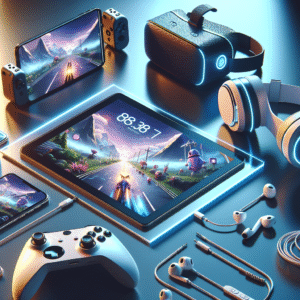
Roblox integrates with several VR headsets, such as Oculus Rift and HTC Vive, allowing developers to create immersive experiences that push the boundaries of traditional gameplay. This compatibility is pivotal in delivering a seamless and engaging VR experience, emphasizing the need for developers to be well-versed with these platforms. Understanding the hardware capabilities and limitations of different VR devices is crucial in crafting experiences that are not only visually impressive but also run smoothly across platforms.
Key Elements of an Immersive VR Experience
To design an immersive VR experience on Roblox, developers should focus on several key elements:
-
Interactivity: Make the environment as interactive as possible. This can involve creating objects that users can manipulate, environments that respond to user actions, or AI characters that engage with users. High interactivity increases user engagement, making the experience more memorable.
-
Visual and Audio Fidelity: While Roblox is known for its blocky and stylized aesthetic, VR experiences can benefit from detailed texture mapping, ambient soundscapes, and spatial audio cues. These elements help create a sense of presence, convincing users they are part of the virtual world.
-
Performance Optimization: VR experiences require significant computing power. Optimizing the game’s performance by reducing polygon count where possible, compressing textures, and efficient scripting is essential to ensure smooth gameplay, which is critical in VR.
- User Comfort: Developers must prioritize comfort to prevent VR-induced discomfort. This involves implementing smooth locomotion, minimizing sudden movements, and avoiding motion sickness by keeping frame rates high and controls intuitive.
Roblox Studio: The Heart of Creation
Roblox Studio is the primary tool used to build and script games on Roblox. When developing VR experiences, understanding how to leverage Roblox Studio effectively is paramount. Some features to consider include:
-
VR Service: Roblox’s VR Service helps developers create responsive VR interfaces, allowing for HUDs, menus, and other UI elements to be adjusted suitably for VR rendering, ensuring they are comfortable and easily accessible for users.
-
Collision and Physics: Properly implementing collision detection and realistic physics can enhance the sense of realism in the game, making interactions with the environment more believable.
- Lighting and Shadows: Realistic lighting can dramatically impact immersion, and using dynamic lighting effects appropriately can help create stunning environments that feel alive and tangible.
Scripting for VR in Roblox
Roblox uses the scripting language Lua, which offers flexibility in creating interactive and dynamic experiences. For VR-specific functionality, developers can use Lua scripts to define user interactions, adjust UI components for VR headsets, and manage game physics. Here are some scripting considerations:
-
Event-driven Programming: Utilizing event-driven scripts allows for real-time responses to player actions, which is imperative in VR where users expect immediate feedback from the environment.
-
Optimized Scripting Practices: High performance is crucial in VR, so scripts should be optimized to prevent hitches. This means avoiding heavy computations on the main thread and using asynchronous processes where possible.
- VR-specific Features: Implement features such as gaze-based interaction, hand-tracking support, and body presence to enhance immersion levels and make the user experience more intuitive.
User Testing and Feedback
The iterative process of development involves testing and obtaining user feedback. In VR, this stage is critical to ensure the experience is comfortable and engaging.
-
Alpha and Beta Testing: Conducting rigorous testing phases will help identify issues related to user experience, performance, or bugs. Open testing phases can provide fresh perspectives, helping to refine the experience further.
- Feedback Implementation: Actively incorporating user feedback into development cycles is crucial. This approach not only improves the game but also builds a community around the experience, fostering loyalty and engagement.
Community Involvement and Collaboration
Roblox boasts a vibrant developer community, making collaboration an invaluable approach in VR development. Whether it’s working with other developers or engaging with users:
-
Collaborative Projects: Engaging with other developers can bring fresh ideas and skills to a project. Different perspectives can lead to innovative features and improvements that might not have been considered initially.
- Community Platforms: Utilize forums, social media, or Roblox-centered communities to gather insights and stay updated with the latest development trends, tools, and resources.
Monetization Strategies
Monetization is a vital aspect for many developers building on Roblox. Even within VR, there are several avenues to explore:
-
In-game Purchases: Offering virtual items, cosmetic upgrades, or exclusive features through in-game purchases can be a viable revenue stream. Ensure these purchases enhance the experience without making it feel pay-to-win.
- Subscription Models: Implementing a subscription model for exclusive VR content or membership benefits can incentivize continued engagement and generate steady income.
Ethical Considerations
Ethics in VR development is crucial, especially in environments popular with young audiences like Roblox. Developers should:
-
Ensure Safe Interactions: Implement features and guidelines that promote safe interactions between users to prevent bullying or harassment.
-
Content Moderation: Ensure all content is age-appropriate and adheres to Roblox’s community guidelines to maintain a welcoming environment for all users.
- Data Privacy: Respect user privacy by ensuring robust data protection measures are in place, particularly when dealing with sensitive user information.
Staying Ahead with Technology
VR technology is rapidly evolving, and staying informed about shifts in the landscape can leverage developers’ competitive advantage:
-
Emerging Technologies: Keep an eye on emerging VR technologies, such as mixed reality (MR) and augmented reality (AR), which could present new opportunities for immersive content on Roblox.
- Software Updates: Regularly update knowledge of Roblox software updates and VR devices to harness new functionalities and improved performance features available.
Crafting immersive VR experiences on Roblox opens thrilling possibilities for both developers and users, setting a solid foundation for future advancements in virtual worlds. The key lies in carefully balancing technical proficiency with creativity, ensuring every aspect of the virtual environment contributes to a cohesive, engaging, and seamless user experience. By embracing the endless possibilities of VR and prioritizing user experience, developers can create stunning virtual worlds that resonate with Roblox’s vast and diverse community.







Post Comment