Behind the Scenes: The Making of Temple Run 2
Conceptualization and Initial Ideas
The creation of Temple Run 2 began with the resounding success of the original Temple Run, developed by Imangi Studios. The team, consisting of Keith Shepherd, Natalia Luckyanova, and artist Kiril Tchangov, recognized the exponential growth and widespread acclaim for their innovative game. Their goal was to craft a sequel that retained the core elements but introduced fresh, engaging features to captivate a growing audience. Their brainstorming sessions often revolved around innovating while maintaining the thrilling essence of endless running that players loved.
Pre-Production and Design Process
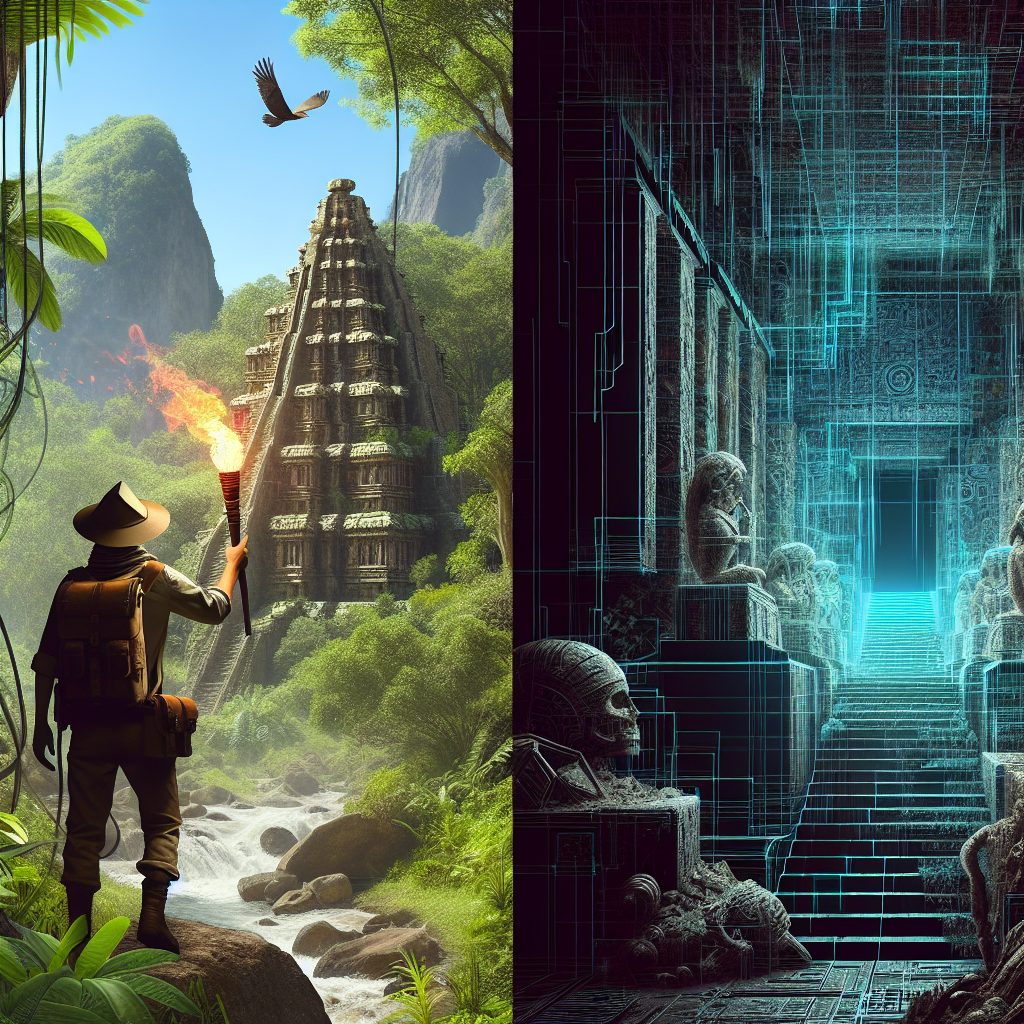
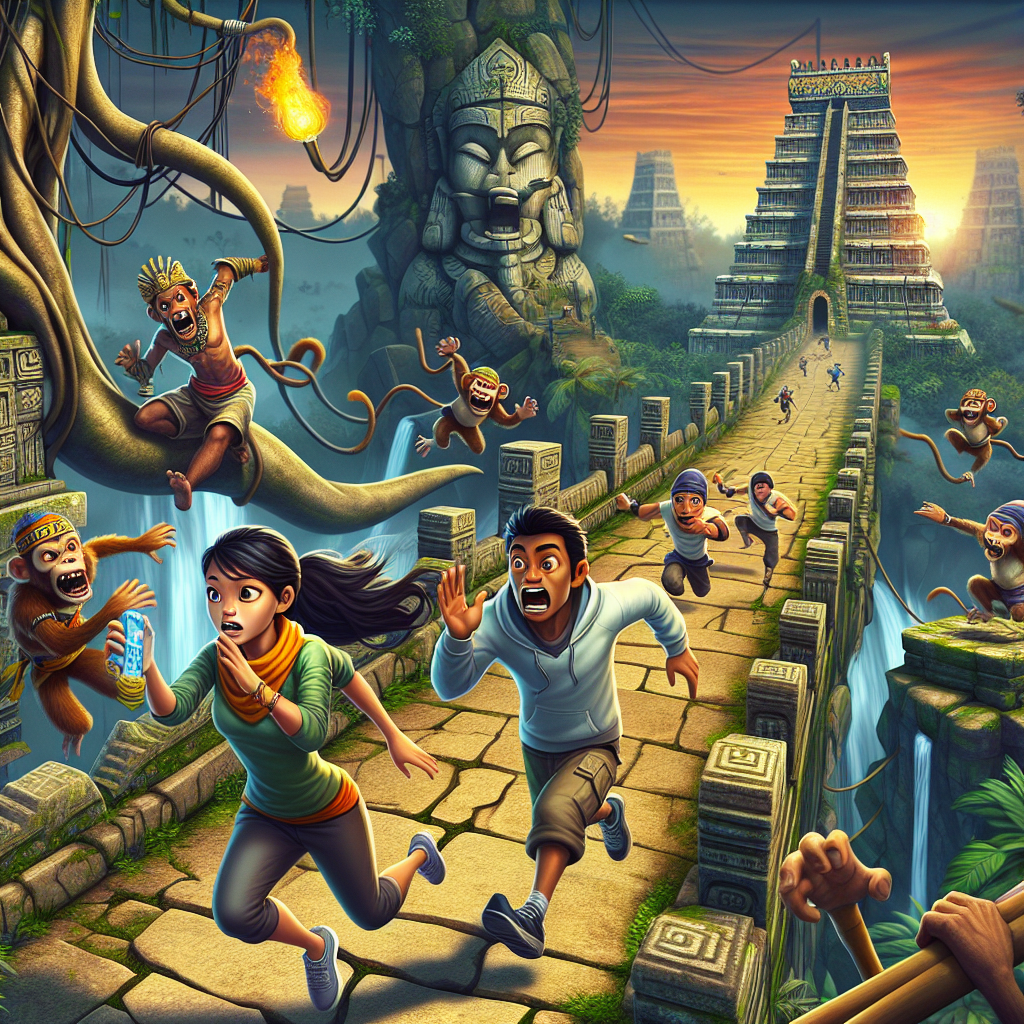
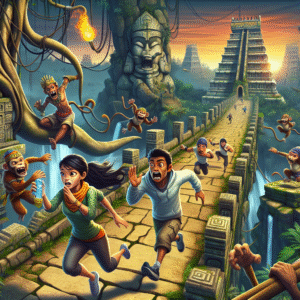
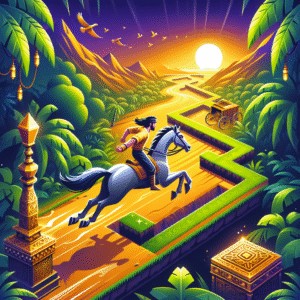
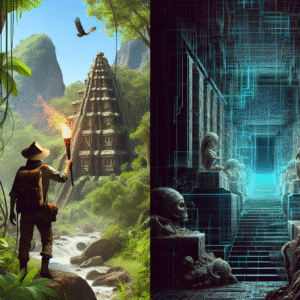
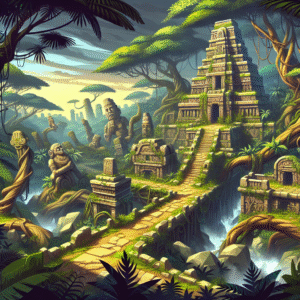
The design phase for Temple Run 2 was marked by extensive research and strategic planning. Imangi Studios explored a myriad of new locations, obstacles, and characters. Their key focus was creating an environment richer and more immersive than its predecessor. The decision to set the game in a new temple environment surrounded by vivid landscapes—such as waterfalls, zip lines, and mine tracks—was formed during these sessions. Concept art played an integral role, allowing designers to visualize these new elements before development began.
Development and Game Mechanics
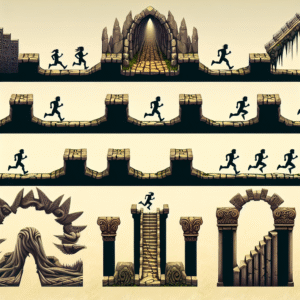
Transitioning from ideas to actual game mechanics posed significant challenges, requiring technical prowess and creativity from the developers. Imangi Studios utilized the Unity engine for Temple Run 2, allowing for advanced graphics, smoother gameplay mechanics, and a more interactive environment. One of the major improvements was the introduction of dynamic obstacles and varying terrains, which offered players a heightened sense of excitement and unpredictability.
Developers meticulously worked on refining character animations, ensuring they appeared fluid and natural. With the game’s increased graphical fidelity, they also emphasized optimizing performance across different devices to ensure a consistent experience.
Character Design and Animation
The expansion of the character roster was a focal point. Each character was designed with unique attributes, enhancing replayability and user engagement. Detailed character models and animations were crafted to reflect their individual personas. Artists at Imangi Studios invested considerable effort into each avatar’s look, from costume details to facial expressions, which added depth and appeal.
Animation played a crucial role in Temple Run 2, where realistic movements and transitions were key to maintaining the energetic pace of the game. The team utilized advanced tools for motion capture and rendering to create life-like animations that kept players absorbed in the action.
Sound Design and Music
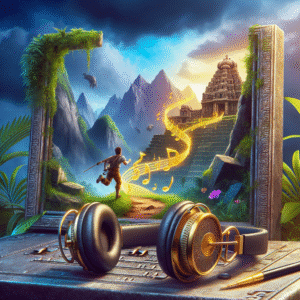
Imangi Studios understood the impact of sound design in enhancing gameplay experience. For Temple Run 2, sound engineers created an engaging soundscape that involved ambient jungle noises, the rush of waterfalls, and the ominous calls of pursuing demonic monkeys. The team collaborated closely with composers to create a soundtrack that intensified the sense of adventure and peril.
The focus was on developing a sound experience that was both diverse and non-intrusive. Music cues were meticulously crafted to trigger at key game moments, such as near-misses or during high-speed chases, to elevate user adrenaline levels.
Testing and Quality Assurance
A critical stage in the development of Temple Run 2 was the rigorous testing phase. This was when the game was subjected to extensive playtesting by team members and selected external testers to identify any bugs or gameplay issues. Feedback was instrumental, allowing developers to fine-tune the balance between challenge and accessibility. The quality assurance team worked tirelessly to ensure that everything—from controls to environmental interactions—functioned seamlessly.
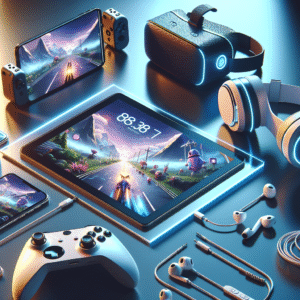
Special attention was given to the game’s responsiveness across various mobile devices. This was essential in delivering a smooth player experience regardless of hardware specifications, a priority given the game’s global appeal.
Marketing Strategy and Release
Upon nearing completion, Imangi Studios embarked on crafting a strategic marketing plan. Leveraging the success of the original Temple Run, they created anticipation through social media teasers, press releases, and sneak peeks. Partnerships with influential gamers and streamers were also formed to reach a broader audience.
The release strategy focused on a multi-platform launch to maximize initial traction. Temple Run 2 debuted on iOS, Android, and Windows Phone simultaneously, spotlighting the game’s cross-platform accessibility.
Post-Launch Updates and Community Interaction
Understanding the importance of sustained engagement, Imangi Studios committed to regular post-launch updates. These included introducing new characters, additional environments, and rotating time-limited challenges, keeping the community actively engaged. They actively solicited player feedback, closely monitoring forums and social media for insights into user experiences and expectations.
Interaction with the community didn’t just end at feedback sourcing; the studio frequently held contests and events to keep players involved. This strategy successfully maintained a dynamic gaming environment and fostered a loyal community.
Technological Innovations and Challenges
Temple Run 2 was not without its technological hurdles. Developing high-quality graphics while ensuring smooth performance on varying devices posed significant challenges. However, these challenges fostered innovation. The game’s architecture was designed to swiftly adapt to new advancements, ensuring its compatibility with future technologies and trends.
The development team embraced cloud services to handle data analytics efficiently, allowing them to understand player behavior and adapt the game accordingly. This insight-driven development proved invaluable in updating in-game content and balancing difficulty levels.
Cultural Impact and Legacy
Temple Run 2 didn’t just succeed as a sequel; it set a benchmark in the gaming industry for how mobile games could engage users through a combination of thrilling gameplay and stunning visuals. Its influence extended beyond gaming circles, inspiring an array of merchandise, spin-offs, and cultural references worldwide.
The game’s success highlighted the potential of indie studios to leave a substantial impact on global gaming landscapes, promoting greater diversity and creativity within the industry.



Post Comment