Analyzing the Bloodborne Soundtrack: Haunting Melodies
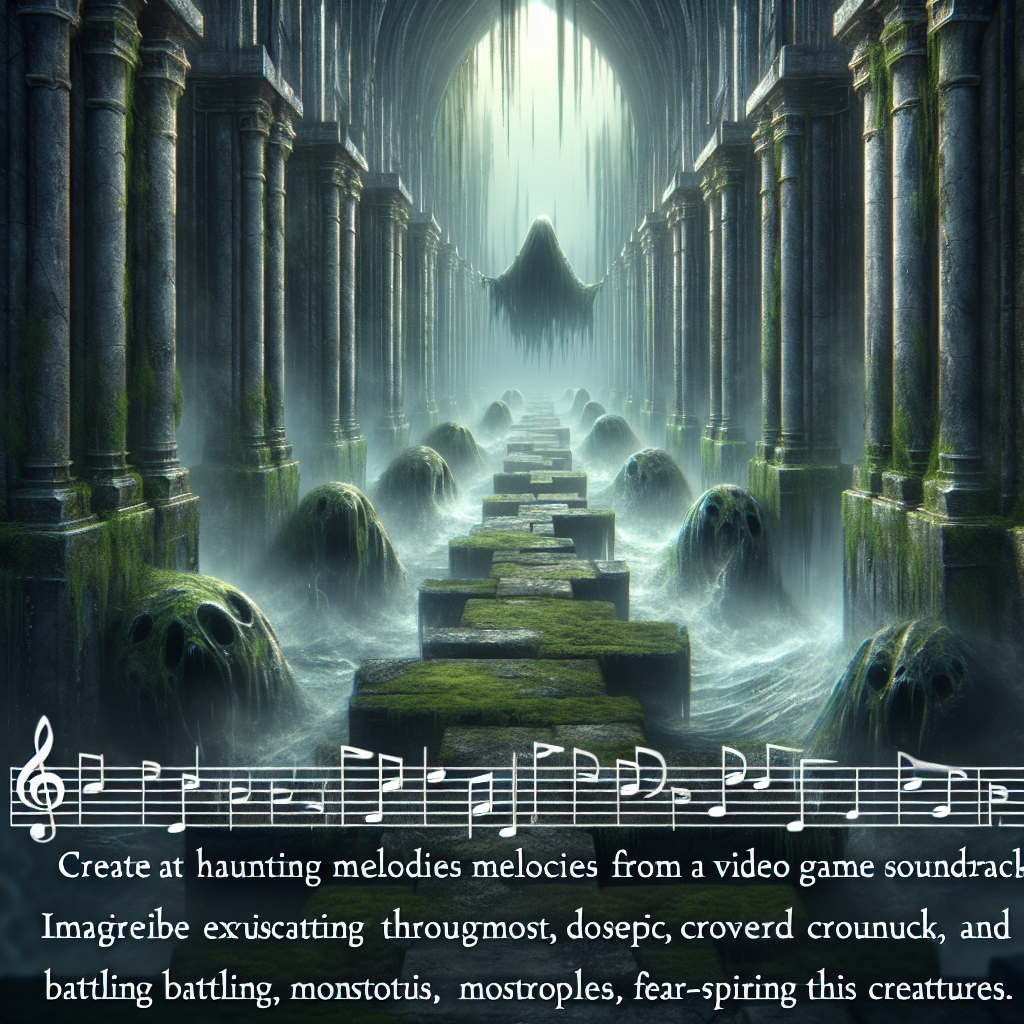
The Bloodborne soundtrack, crafted by the talented Tsukasa Saitoh, Ryan Amon, Michael Wandmacher, and Yuka Kitamura, stands as an integral component of the game’s immersive horror experience. Every track weaves a tapestry of emotion and tension that resonates deeply with the player, enhancing the dark and mysterious atmosphere of Yharnam. This article delves into the haunting melodies that characterize the Bloodborne soundtrack, examining its composition, thematic elements, and role in the game’s storytelling.
Bloodborne’s music is a masterclass in orchestrated dread. Featuring a full orchestral score, the soundtrack employs a wide range of musical techniques to invoke fear, suspense, and, importantly, a sense of tragic beauty. The use of a live orchestra, recorded at Abbey Road Studios and Air Studios, ensures a richness and depth of sound that elevates the game’s eerie environment. The carefully crafted combination of strings, brass, and choral elements blends seamlessly with the unsettling nature of the game’s aesthetics.
A prominent feature of the Bloodborne soundtrack is its dynamic range. Unlike conventional music for horror games, which often relies on repetitive motifs to build tension, Bloodborne’s score is more akin to a symphonic suite. It shifts fluidly between quiet, introspective moments and grandiose, operatic expressions. This dynamic quality mirrors the ebb and flow of the gameplay itself, which alternates between moments of tense exploration and frenetic combat.
Tsukasa Saitoh’s “Cleric Beast” theme exemplifies this dynamic approach. The track begins with an ominous low brass and string ensemble, gradually layering in percussion and frantic violins that escalate tension. The haunting choral elements introduce an air of ancient ritual, beckoning players into the unfolding horror. The track’s shifts in tempo and intensity mirror the ebb and flow of the boss battle itself, a hallmark of effective adaptive music in video games.
Another standout track, “The Hunter,” composed by Ryan Amon, encapsulates the somber heroism that defines the player’s journey. It begins with a poignant violin melody, underscored by a steady, determined rhythm that suggests resilience amid despair. As the piece progresses, the full orchestra joins in, building to a dramatic crescendo that echoes the player’s relentless hunt through the nightmarish world. The interplay between determination and tragedy encapsulates the essence of the hunter’s ordeal.
Yuka Kitamura’s contributions, notably “Lady Maria of the Astral Clocktower,” bring a unique emotional depth to the soundtrack. This piece showcases a delicate balance between romance and menace, befitting the tragic figure of Lady Maria. The melancholic piano and violin duet creates an intimate soundscape that reflects her sorrowful backstory. As the orchestration swells, it captures the internal struggle between her duty and the dark secrets she harbors.
Furthermore, the influence of gothic horror is evident in the soundtrack’s harmonic language. Dissonant chords, haunting melodies, and chromatic scales create an unsettling sonic landscape that underscores the game’s Lovecraftian themes. For example, in “Lullaby for Mergo,” there is an unsettling juxtaposition of a gentle, lullaby-like melody with discordant harmonies, suggesting an innocence tainted by unspeakable horrors.
One of the most notable tracks, “Hail the Nightmare,” encapsulates the climax of Bloodborne’s descent into madness. Composed by Tsukasa Saitoh, the track is a chaotic symphony of discordant strings, furious percussion, and piercing brass. The use of complex rhythms and unexpected key changes captures the disorienting experience of navigating the game’s climactic moments. Here, the music serves not only as a backdrop but as an active participant in the storytelling, intensifying the player’s emotional journey.
The soundtrack also employs thematic leitmotifs, a common technique in classical compositions, to bind the narrative together. These recurring musical themes represent characters, events, or locations, subtly reminding the player of previous encounters. For instance, the theme of “The First Hunter” recurs in variations throughout the score, integrating Gehrman’s presence into the broader narrative framework. This technique forges a subconscious connection between the listener and the unfolding story, enhancing the immersive nature of the game.
Moreover, the Bloodborne soundtrack’s success lies in its ability to build anticipation. The music often foreshadows upcoming encounters, preparing players for what lies ahead. For example, the distant tolling bells and mournful chants in “The Witch of Hemwick” subtly hint at the monstrous ritual awaiting discovery. Such musical cues allow players to subconsciously prepare for the challenges ahead, heightening the game’s emotional impact.
Despite the pervasive sense of dread, the soundtrack does not rely solely on eerie elements. Instead, it introduces moments of serene beauty that provide respite amidst the horror. Tracks like “Hunter’s Dream,” with its ethereal and tranquil piano melody, offer a safe haven away from the nightmarish streets of Yharnam. This contrast amplifies the relief felt upon reaching these sanctuaries, reinforcing the game’s narrative of refuge and relentless struggle.
The collaborative efforts of Saitoh, Amon, Wandmacher, and Kitamura result in a cohesive yet diverse musical tapestry. Each composer brings their unique voice and stylistic influences to the table, providing variety while maintaining a unified sound. Their intricate use of harmony and orchestration reflects a deep understanding of the game’s themes, characters, and environments, making the Bloodborne soundtrack not just an accompaniment but a fundamental storytelling device.
Analyzing the Bloodborne soundtrack reveals an extraordinary level of craftsmanship. It combines the power of a full orchestra with innovative compositional techniques to create a haunting, immersive soundscape. The music’s ability to maintain a sense of tension and release, interwoven with themes of fear, sorrow, and resilience, elevates Bloodborne from a mere game to an unforgettable experience. This intricate relationship between audio and gameplay ensures that each haunting melody lingers long after the final note has faded, carving a permanent place in the hearts of players worldwide.









Post Comment