A Deep Dive into the Best Dota 2 Strategies
Understanding the Metagame
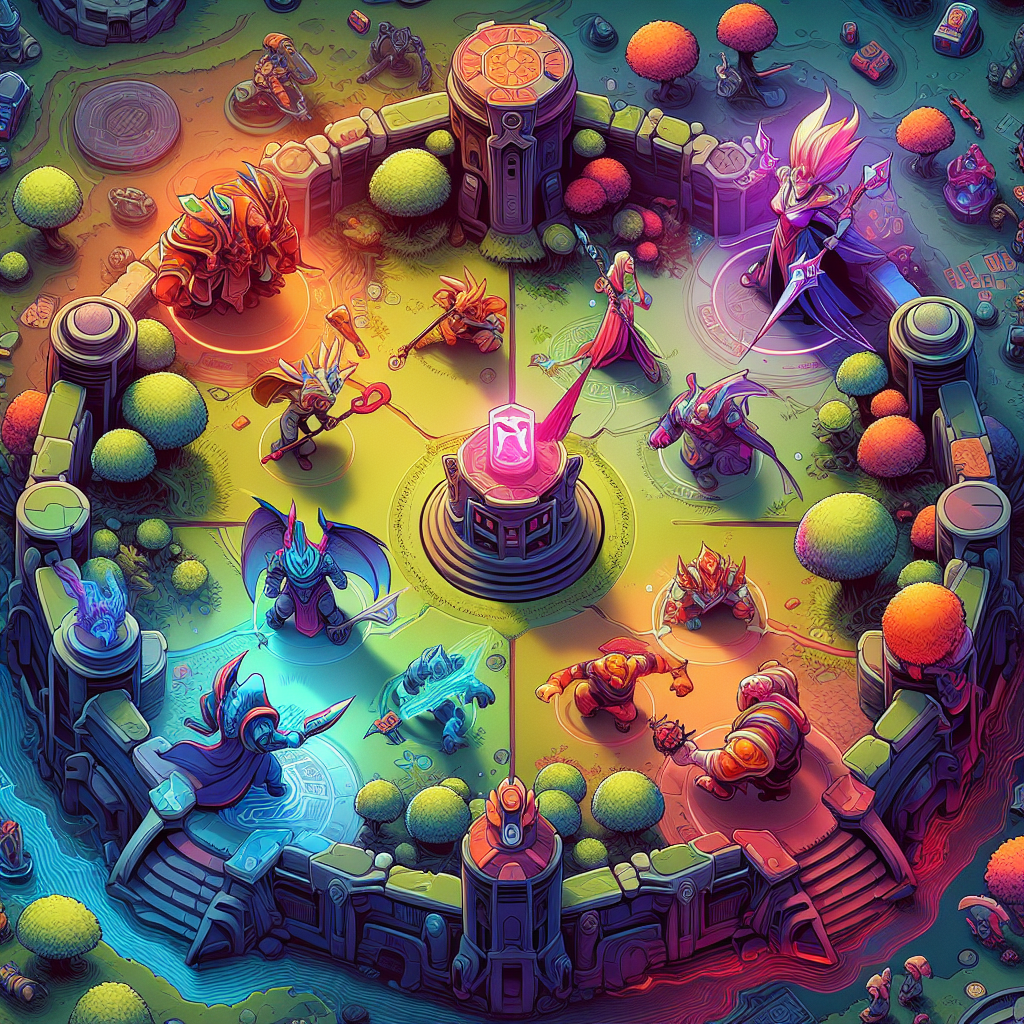
In the complex world of Dota 2, the term “metagame” refers to the evolving strategies that players employ to gain a competitive edge. This involves understanding the current patch notes, analyzing dominant hero picks, and leveraging item builds that enhance team synergy. Staying updated with the metagame can significantly increase a team’s chances of winning by allowing them to anticipate opponents’ strategies and counter them effectively.
Drafting and Team Composition
A successful Dota 2 strategy often begins at the drafting stage. Each team is given the opportunity to choose heroes that complement each other while countering the opponents’ selections. Ideally, a well-balanced team features cores that can deal both physical and magic damage, have a mix of crowd control abilities, and can adapt to different phases of the game. Flexibility in the draft allows teams to shift roles and strategies mid-game, keeping the opponents guessing.
Early-Game Focus: Ganking and Lane Control
Early-game strategies often focus on ganking and securing lane dominance. Ganking involves coordinating attacks on enemy heroes to disrupt their farm and build a gold and experience advantage. Utilizing heroes with strong crowd control abilities or early-game burst damage can be effective for this strategy. Controlling the creeps in the lane with precise last-hitting and denying also plays a crucial role. Supporting heroes should focus on zoning out enemy cores and stacking neutral camps for their team’s carry to farm later.
Mid-Game: Securing Objectives and Map Control
As the game transitions into the mid-game, securing objectives such as towers, Roshan, and Tier-2 neutral items becomes crucial. Taking down enemy towers not only provides gold but also increases map control by opening up new areas for vision placement and gank opportunities. It’s essential for teams to focus on gaining map control by placing well-timed wards that reveal enemy movements and potential rotations. Dominating the map makes it harder for the enemy team to farm safely, thus increasing pressure on them.
Split-Pushing as a Divergence Strategy
Split-pushing can serve as an alternative strategy when head-on confrontations are less favorable. This involves sending one or multiple heroes to apply pressure on different lanes while avoiding direct engagement with the enemy team. Heroes like Nature’s Prophet, Anti-Mage, or Tinker excel at this strategy due to their mobility and high pushing power. The key to successful split-pushing is maintaining constant vision and communication to avoid getting caught by enemy rotations.
Team Fights and Decision-Making
Team fights are high-stakes engagements that require precise coordination and timing. Winning a crucial team fight can lead to significant advantages, such as barracks being destroyed or multiple buybacks being forced. Effective team fights rely heavily on understanding which enemy heroes to prioritize, properly executing spell combos, and maintaining vision to avoid being caught off guard. Teams should enter team fights with a clear plan and ensure that crowd-control abilities are used optimally.
Late-Game Strategy: Maximizing Hero Potential
As the game reaches the late-game phase, hero potential and buyback status become increasingly important. Teams need to maximize the strengths of their carry heroes, who should ideally be fully itemized and supported by their teammates in larger engagements. Strategic buyback management often dictates the flow of the late game, where being wiped without buyback can lead to a lost game. Positioning becomes even more critical, as a single mistake can result in a decisive loss.
Utility Heroes and Their Impact
Utility heroes, often referred to as supports or offlaners, play a pivotal role throughout the game with their ability to turn fights in their favor using utility skills. These heroes provide valuable benefits, such as healing, crowd control, or mobility, and typically require less farm to be effective. Players should focus on leveraging these utility heroes to their fullest potential, providing vision through wards, using Smoke of Deceit to initiate ganks, and utilizing their abilities to control the pace of the game.
Itemization and Adaptability
Itemization is a critical component of any Dota 2 strategy as it provides heroes with the necessary tools to enhance their strengths and mitigate their weaknesses. Players should be flexible in their item choices, adapting to the state of the game and their opponents’ compositions. Understanding when to prioritize survivability items over damage or utility items can often dictate the outcome of skirmishes and team fights. Constantly evaluating item progression and adjusting accordingly keeps the team ready for evolving threats.
Communication and Synergy
Despite the importance of mechanical skill and individual brilliance, the cornerstone of great Dota 2 strategies is communication. Teams that communicate effectively can coordinate hero abilities and item usage to dismantle enemy formations. Establishing a solid channel of communication also enhances synergy among players, ensuring that rotations are swift, objectives are secured efficiently, and team fights are approached with a unified strategy.
Counter-Strategies and Reactive Play
Counter-strategies involve anticipating and nullifying the enemy team’s game plan. Teams that excel in reactive play observe enemy hero selections, frequently adjust their playstyle, and pick heroes that effectively counter their adversaries. For example, if an enemy relies heavily on magic damage, purchasing items like Pipe of Insight or Black King Bar can neutralize their plans. The ability to remain flexible and rapidly adapt to shifting circumstances often separates victors from defeated teams.
Psychological Warfare and Mind Games
While Dota 2 strategies are mostly about concrete actions, psychological elements cannot be underestimated. Creative feints, using illusions to confuse opponents, or baiting enemies into unfavorable terrain can turn the tide of battles. Playing mind games with the enemy, such as leaving false openings or exploiting their tendencies, can lead to overextensions and costly mistakes. Skilled teams often use psychological tactics to maintain an edge over their opponents by subtly manipulating their actions.








Post Comment