The Last of Us Part II: A Masterclass in Environmental Storytelling
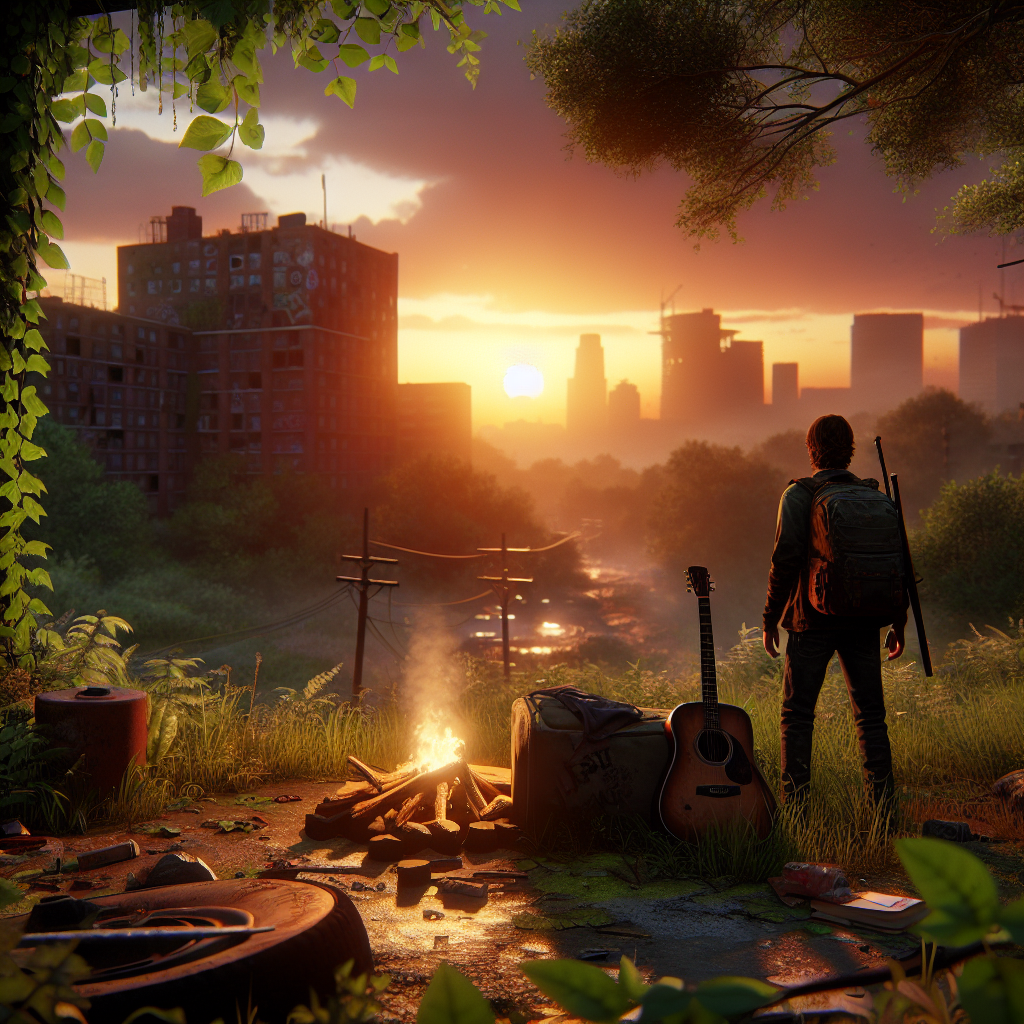
Environmental storytelling is an art that blends visual design, narrative, and player interaction to create immersive game worlds. “The Last of Us Part II,” developed by Naughty Dog, stands as a masterclass in this field, offering a profound and cohesive narrative that is deeply interwoven into its environments. This is achieved through meticulous design, artful attention to detail, and a nuanced understanding of how physical spaces can reflect and enhance storytelling. The game leverages its post-apocalyptic settings not just as a backdrop, but as a living, breathing character integral to the player’s experience.
One of the strongest aspects of “The Last of Us Part II” is its ability to convey story through its environments, a process that begins with the game’s setting in a meticulously crafted, post-pandemic United States. The decaying world is depicted through overgrown cities, crumbling infrastructures, and abandoned buildings, each telling a story of its own. As players navigate streets littered with remnants of the past, from dilapidated houses to deserted apartments, they glean insights into the lives abruptly interrupted by the Cordyceps infection outbreak. These remnants serve as narrative breadcrumbs, providing context and depth to the world, and inviting players to piece together the untold stories of the past.
The density of detail in each environment is staggering, with Naughty Dog’s attention to detail creating spaces that feel both authentic and hauntingly beautiful. Small personal details such as family photographs, childrens’ drawings, and hastily jotted notes left behind by those who once inhabited these spaces imbue the world with a poignant sense of humanity and loss. This level of detail rewards exploration, encouraging players to spend time examining their surroundings, thus deepening their immersion in the game’s narrative.
In “The Last of Us Part II,” environmental storytelling is not just limited to static objects but is also reflected in the dynamic interactions between the characters and their environments. The developers astutely use lighting, weather effects, and sound design to enhance the narrative. For example, the game often employs contrasting lighting to evoke mood and tension, using stark, shadowy interiors to convey danger or uncertainty, while warm, natural light infuses moments of reflection or hope. These visual cues guide players emotionally, making the environments a crucial part of the storytelling palette.
Furthermore, the game’s sound design plays an equally pivotal role in storytelling. Ambient sounds, such as the eerie creaking of dilapidated structures, the distant rumble of thunder, or the haunting calls of unseen creatures, contribute to the atmosphere in a way that text or dialogue cannot. These auditory elements serve as extensions of the narrative world, grounding the player in the reality of their surroundings, and often foreshadowing narrative beats or prompting tension and awareness.
The narrative design of “The Last of Us Part II” also enhances its environmental storytelling. Through the perspectives of both protagonists and antagonists, players experience vastly different environments that reflect the divergent narratives and emotional journeys of the characters. The game’s dual narrative structure, switching between Ellie and Abby, highlights contrasting perspectives and explores themes of revenge, loss, and redemption. Each character’s environment reflects their internal conflicts and growth, illustrating how physical spaces can mirror psychological states.
For instance, Ellie’s journey takes players through environments suffused with tension and foreboding, mirroring her internal conflict and vengefulness. The desolate streets and oppressive rain-soaked landscapes symbolize her descent into darkness and obsession. Conversely, when players assume the role of Abby, they are often placed in more vibrant, community-focused environments, such as the WLF (Washington Liberation Front) base, which reflects her motivations tied to community, identity, and ultimately, forgiveness. This environmental dichotomy underscores the game’s narrative themes, providing players with a textured and multifaceted storytelling experience.
The use of verticality in level design also contributes significantly to environmental storytelling in “The Last of Us Part II.” Players often find themselves navigating rooftops, dense urban environments, and underground tunnels, which introduces a spatial narrative component that not only serves gameplay but also storytelling. This vertical exploration allows for unique vantage points and hidden story elements that players can uncover, rewarding those who explore and pay close attention. As players scale buildings or descend into murky basements, they uncover layers of the environment that piece together the complexities of the game’s narrative. The vertical design of these spaces creates a sense of discovery and reinforces the cohesion between exploration and storytelling.
Moreover, the pacing of environmental storytelling throughout the game is meticulously crafted, allowing narrative and gameplay moments to flow seamlessly. Intense combat sequences are juxtaposed against slower, contemplative moments where players are encouraged to absorb their surroundings and reflect on the unfolding story. These moments of respite not only offer emotional relief but also deepen the connection to the narrative, as players have the opportunity to explore and further understand the world and its inhabitants.
Environmental storytelling in “The Last of Us Part II” also extends to the depiction of the natural world, particularly the motif of nature reclaiming urban environments. The juxtaposition of greenery overtaking man-made structures serves as a visual metaphor for the resilience of nature and the fragility of human civilization. Overgrown flora and fauna become more than environmental dressing; they symbolize themes of life, death, and rebirth, reinforcing the narrative’s exploration of the cyclical nature of violence and the prospect of new beginnings. This interplay between the natural and the constructed worlds elevates the storytelling by establishing a complex and multi-layered narrative tapestry.
Additionally, the presence of environmental clues and puzzles further engages players in the narrative process. These elements encourage players to actively participate in the storytelling by piecing together information, solving environmental puzzles, and deducing narrative outcomes based on their findings. The use of environmental puzzles not only enhances engagement but also invites deeper cognitive involvement, as players become active storytellers, constructing narratives through exploration and interaction.
“The Last of Us Part II” demonstrates that environmental storytelling goes beyond simply setting a scene; it encapsulates a comprehensive narrative experience where every element of the environment contributes to the story. Naughty Dog’s ability to weave together visual, auditory, and interactive elements in harmony creates a richly immersive world that resonates with players on an emotional and intellectual level. Through its environments, the game communicates themes, emotions, and character arcs with a sophistication that defines what is possible in video game storytelling.










Post Comment