Revisiting the Post-Apocalyptic World in The Last of Us Part II
In the world of video games, few titles have managed to capture the raw emotional intensity and intricate storytelling of “The Last of Us Part II.” Released by Naughty Dog in June 2020, this sequel to the critically acclaimed “The Last of Us” not only expanded upon its predecessor’s themes but also introduced players to a richly detailed post-apocalyptic world teeming with danger, moral ambiguity, and complex human relationships. This environment serves as a poignant backdrop for the game’s exploration of revenge, empathy, and the human condition.
Set several years after the events of the first game, “The Last of Us Part II” thrusts players back into a world still reeling from the aftermath of a fungal pandemic caused by the Cordyceps fungus, which turns humans into aggressive, zombie-like creatures. The game’s depiction of a society struggling to rebuild amidst this chaos is both heartbreaking and realistic, offering a chilling glimpse into humanity’s potential future.
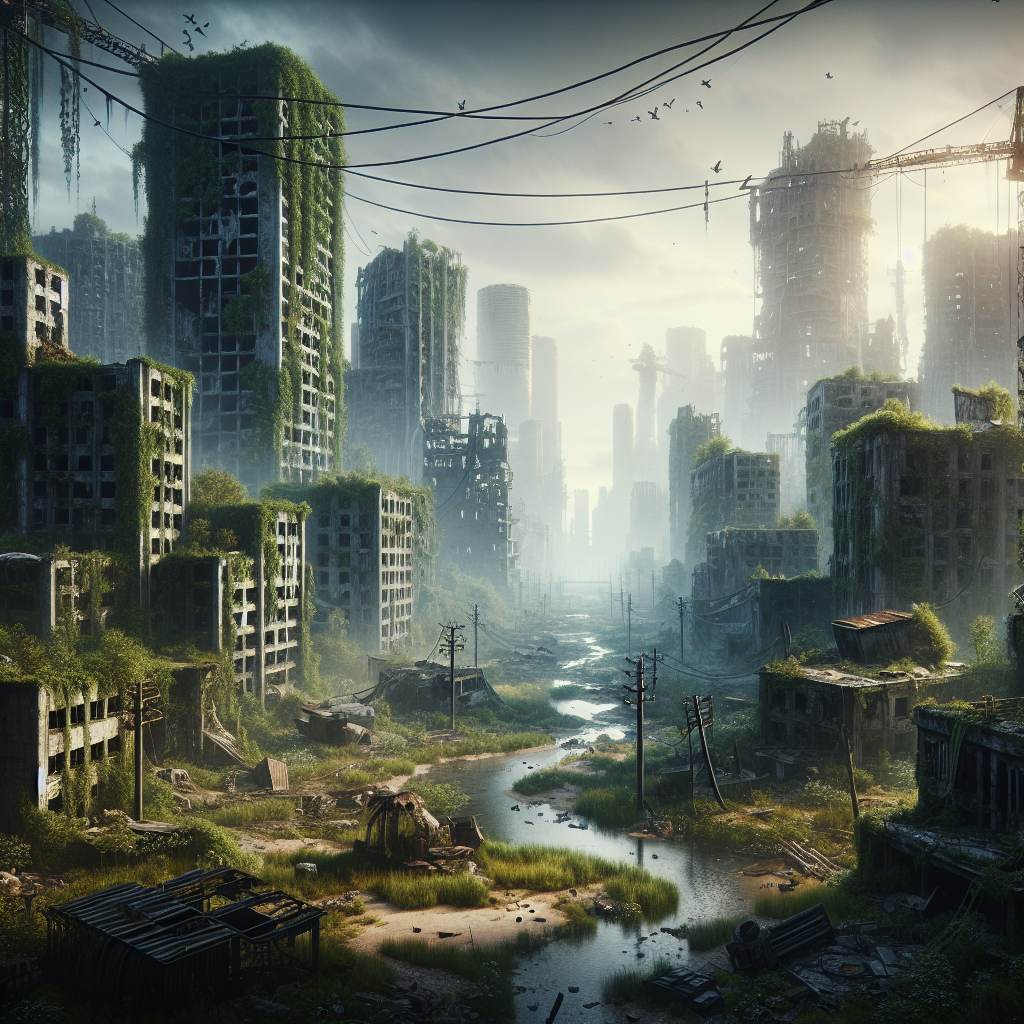
One of the most remarkable aspects of the game is its stunning visual representation of a world reclaimed by nature. The developers have meticulously crafted environments that tell their own stories of destruction and resilience. Skyscrapers crumble beneath the weight of time, streets are engulfed by lush vegetation, and once-bustling cities lie silent. This juxtaposition of beauty and decay creates a hauntingly immersive atmosphere that beckons players to explore every nook and cranny.
In Seattle, the primary setting for much of the game, the developers have taken great care to recreate a city that is both familiar and foreign. Landmarks are heavily dilapidated, offering an eerie sense of familiarity coupled with the unfamiliar devastation brought on by two decades of neglect and survivalist strife. The attention to environmental detail not only enhances the player’s immersion but also serves a narrative function, reflecting the internal and external conflicts faced by the characters inhabiting this world.
“The Last of Us Part II” continues to delve deep into the lives and struggles of its protagonists, most notably Ellie, who is now a young woman grappling with loss, identity, and the harrowing burden of vengeance. The game’s narrative structure, which alternates between different perspectives, allows players to experience the world through the eyes of multiple characters. One notable addition is Abby, who offers a contrasting viewpoint that challenges players to reconsider preconceived notions about right and wrong.
Complex character development is a hallmark of the franchise, and this sequel is no exception. Ellie’s journey is fraught with moral dilemmas that force players to question the nature of justice and the cost of retribution. As her path intertwines with Abby’s, the game intricately explores themes of forgiveness, redemption, and the impact of violence, ensuring players remain deeply invested in the unfolding drama.
Combat in “The Last of Us Part II” is designed to be visceral and intense, further immersing players in the harsh realities of the game’s setting. The gameplay mechanics encourage strategic thinking and adaptability, emphasizing stealth and resource management as vital components for survival. Each encounter feels genuinely threatening, as players must contend with both human enemies and the relentless infected.
The addition of new enemy types and refined AI behavior enriches the combat experience, creating dynamic scenarios that can play out in numerous ways. This variety not only keeps the gameplay fresh but also reinforces the constant sense of danger permeating the world. Players quickly learn that every decision carries weight, reflecting the real-world stakes of survival in an unforgiving landscape.
Audio design in the game deserves special mention. The subtle ambiance of rustling leaves, distant infected shrieks, and the echoing silence of abandoned buildings all contribute to a deeply immersive experience. The musical score, composed by Gustavo Santaolalla, complements the narrative with hauntingly beautiful melodies that resonate with the player’s emotions, amplifying the story’s emotional beats.
Naughty Dog’s commitment to diversity and representation shines through in “The Last of Us Part II.” The game features a broad spectrum of characters with varied identities, experiences, and backgrounds. This inclusive approach not only adds depth to the narrative but also reflects the complexities of a world rebuilding itself amid devastation. By tackling issues such as love, prejudice, and acceptance, the game invites players to empathize and engage with characters on a deeply human level.
Despite its accolades, the game was not without controversy. Its bold narrative choices, particularly the depiction of violence and the complex moral landscape, sparked intense discussion among fans and critics alike. This discourse underscores the game’s impact on the medium, pushing the boundaries of storytelling in video games and challenging players to re-evaluate their perspectives on narrative structures and emotional engagement.
“The Last of Us Part II” continues to be a touchstone for discussions around gaming’s evolution as a storytelling medium. Its meticulous world-building, character-driven narrative, and thematic exploration of human resilience make it a standout title in the post-apocalyptic genre. As players traverse the treacherous landscapes and intricate emotional journeys within the game, they are reminded that even in the bleakest circumstances, hope and humanity endure.
The game’s depiction of a post-apocalyptic world is more than just a backdrop; it is a character in its own right. The environment tells a story of its own, each broken building and overgrown street narrating tales of loss and survival. This approach invites players to engage with the world beyond the scripted narrative, uncovering hidden details and forming connections with the world and its inhabitants.
In essence, “The Last of Us Part II” offers a masterclass in immersive storytelling, blending gameplay and narrative into a seamless experience that resonates long after the game has ended. The revisitation of its post-apocalyptic setting serves as a poignant reminder of the fragility and strength of the human spirit, a theme that holds particular relevance in today’s world, where uncertainty and resilience often go hand in hand.
Through its layered narrative, engaging gameplay, and groundbreaking character development, “The Last of Us Part II” not only lives up to its legacy but also sets new standards for interactive storytelling. As players step into this meticulously crafted world, they are asked to confront their own beliefs and emotions, navigating a landscape that challenges and rewards them at every turn. In doing so, the game invites us all to reconsider what it means to survive and thrive in a world forever changed.







Post Comment