Analyzing the Realism of The Last of Us Part II’s Graphics
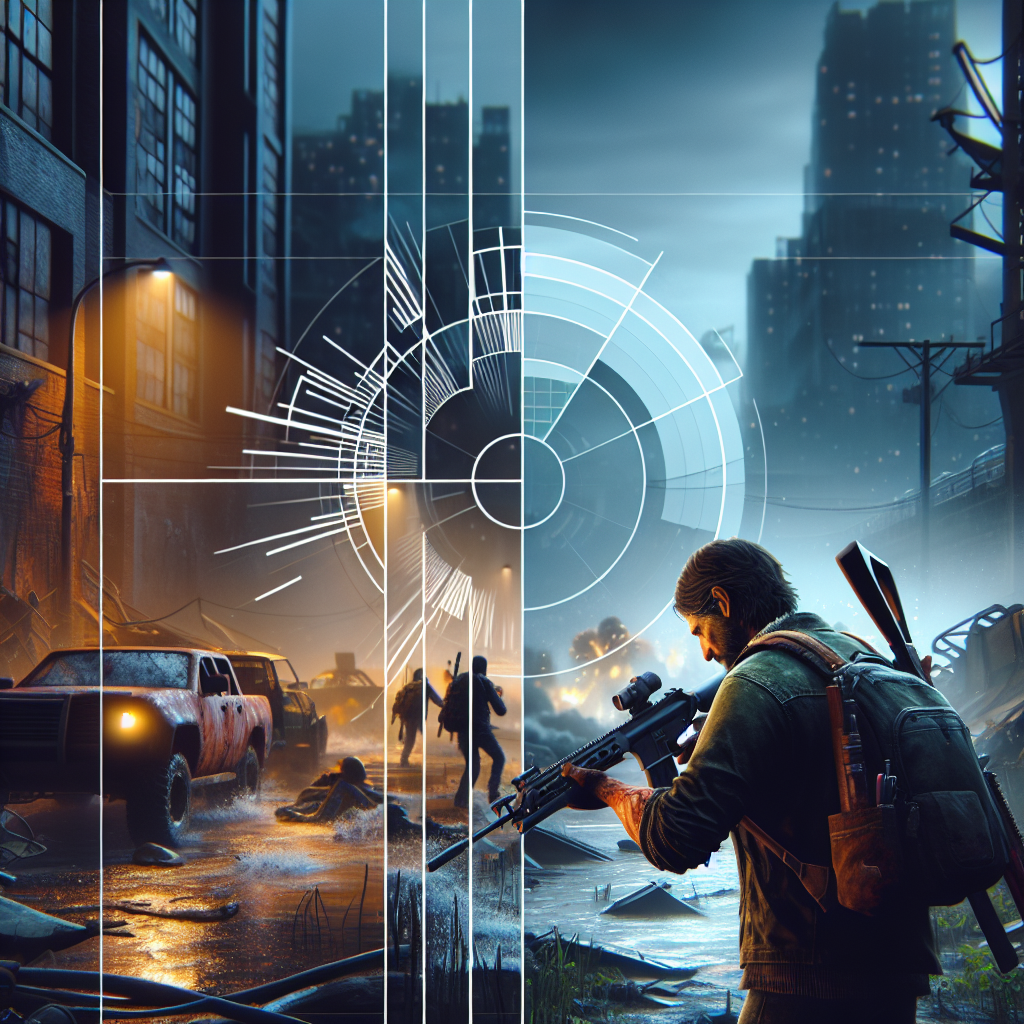
Analyzing the realism of The Last of Us Part II’s graphics reveals an advancement in video game technology that blends art with cutting-edge innovation. The meticulous attention to detail in character design, environmental elements, lighting, and texture emphasizes a significant leap towards achieving heightened realism in video games. This exploration delves into the various facets contributing to the visual authenticity of Naughty Dog’s critically acclaimed title.
Character Design and Animation
Character design in The Last of Us Part II stands as a backbone of its visual realism. The development team employed motion capture technology, utilizing real actors to mirror human expressions and movements accurately. By capturing the subtleties of facial muscles and body language, the game delivers characters that resonate with lifelike authenticity.
Ellie, the protagonist, is a noteworthy example. Her eyes convey emotions ranging from sorrow to determination, creating a connection with players that transcends traditional 3D modeling. Tiny details, such as the texture of skin, the imperfections of freckles, or the movement of muscles during speech, play a vital role in fortifying the illusion of reality. Moreover, character animations are smoothly interwoven with gameplay mechanics, maintaining visual consistency without breaking immersion.
Environmental Detail and Design
The environmental design within The Last of Us Part II extends realism beyond mere aesthetics, creating a dynamic world that responds proportionately to player interactions. The developers implemented photogrammetry, a technique that involves creating ultra-realistic textures from high-resolution photographs. This approach allows for painstakingly accurate depictions of both natural and urban settings.
Seattle, the game’s primary location, is rendered with stark attention to geographical and architectural intricacies. Rain affects the sheen on streets and the dampness of clothing, while sunrays pierce through abandoned buildings and shattered windows. The dynamic weather system and time-of-day transitions contribute greatly to diversifying the visual palette, ensuring that each environment feels persistently alive.
Lighting Techniques and Effects
Lighting plays a pivotal role in enhancing realism, with Naughty Dog intensely focusing on creating natural and dramatic lighting scenarios. Ray tracing technology simulates the behavior of real light, enhancing reflections and shadows throughout the game. The interplay of light and shadow is meticulously handled, emphasizing depth and volume in every scene.
Interior lighting, whether diffused through curtains or emanating from a candle’s flame, impacts how players perceive space and atmosphere. Volumetric lighting is prevalent, creating fog that filters sunlight in forests, while urban areas are bathed in atmospheric lighting effects that accentuate a sense of desolation or serenity.
Texture Quality and Material Representation
Texture quality in The Last of Us Part II is crucial for maintaining realism, with surfaces appearing convincingly tactile. Diverse materials such as rusted metal, aged wood, and concrete are textured with such precision that they enhance the believability of contact and interaction. The material portrayal is specifically crucial during combat scenarios, where damage, wear, and surface characteristics affect gameplay visibility and engagement.
Dynamic weather impacts texture rendering as well. Moist textures exhibit a glistening sheen after rain, leather appears supple, and fabrics respond to environmental conditions, reinforcing the authenticity of the physical world.
Sound Design Integration
While not directly visual, sound design significantly complements graphical realism. By syncing visuals with realistic audio cues, such as footsteps echoing in empty corridors or distant wildlife in verdant settings, the auditory elements foster a dense atmosphere. The overlay of ambient noise with detailed soundscapes gives life to the visuals, synergizing perfectly with the graphical elements to deepen immersion.
Technical Advancements and Hardware Utilization
The Last of Us Part II benefits immensely from the PlayStation’s hardware, utilizing the console’s capabilities to push graphics forward. Temporal upscaling and sophisticated rendering techniques optimize visual fidelity without sacrificing performance, ensuring fluid motion and responsiveness.
Balancing high-resolution textures with efficient load times represents a technical triumph, as scenes are rendered seamlessly, even within high-paced sequences. Leveraging the console’s GPU allows for intricate environmental design and character animation, culminating in an aesthetically stunning and technically proficient presentation.
Artistic Vision Meets Technological Innovation
The convergence of artistic vision with technological prowess defines the visual allure of The Last of Us Part II. Artistic direction ensures each scene carries narrative weight and thematic coherence, while technology facilitates the realization of ambitious visual goals.
The intentional use of color palettes, compositional balance, and meticulous design work harmonizes with cutting-edge technology. This synthesis ensures that each frame is not only realistic but also evocative, carrying narrative significance that complements the gameplay experience.
Cultural and Ethical Representation
The graphics also play a role in crafting cultural and ethical representation within the game’s narrative. By creating environments and characters that reflect real-world diversity and nuances, Naughty Dog demonstrates sensitivity and commitment to meaningful storytelling. The realistic portrayal of different cultures, environments, and conflicts enriches the player’s experience, fostering empathy and connection.
Reception and Impact on the Gaming Industry
The Last of Us Part II’s graphics have set a benchmark for succeeding titles, influencing industry standards in visual fidelity and storytelling integration. Its acceptance by both audiences and critics reaffirms the impact of visual realism on player engagement and narrative immersion.
As developers continue to push the boundaries of graphical technology, The Last of Us Part II exemplifies how realism in graphics can elevate video gaming as a mature storytelling medium. This contribution to the industry encourages further exploration into the synthesis of art and technology, inspiring future endeavors in the realm of video game development.












Post Comment