The Last of Us Part II: Breaking Down the Game’s Soundtrack
Main Themes and Motifs of The Last of Us Part II Soundtrack
The Last of Us Part II, developed by Naughty Dog, stands out not only for its gripping narrative and complex character development but also its evocative soundtrack. Composed primarily by Gustavo Santaolalla, with additional music by Mac Quayle, the soundtrack plays a pivotal role in amplifying the game’s emotional depth. Santaolalla, known for his work on films like Brokeback Mountain and Babel, brings a unique sensibility that complements the post-apocalyptic setting of the game.
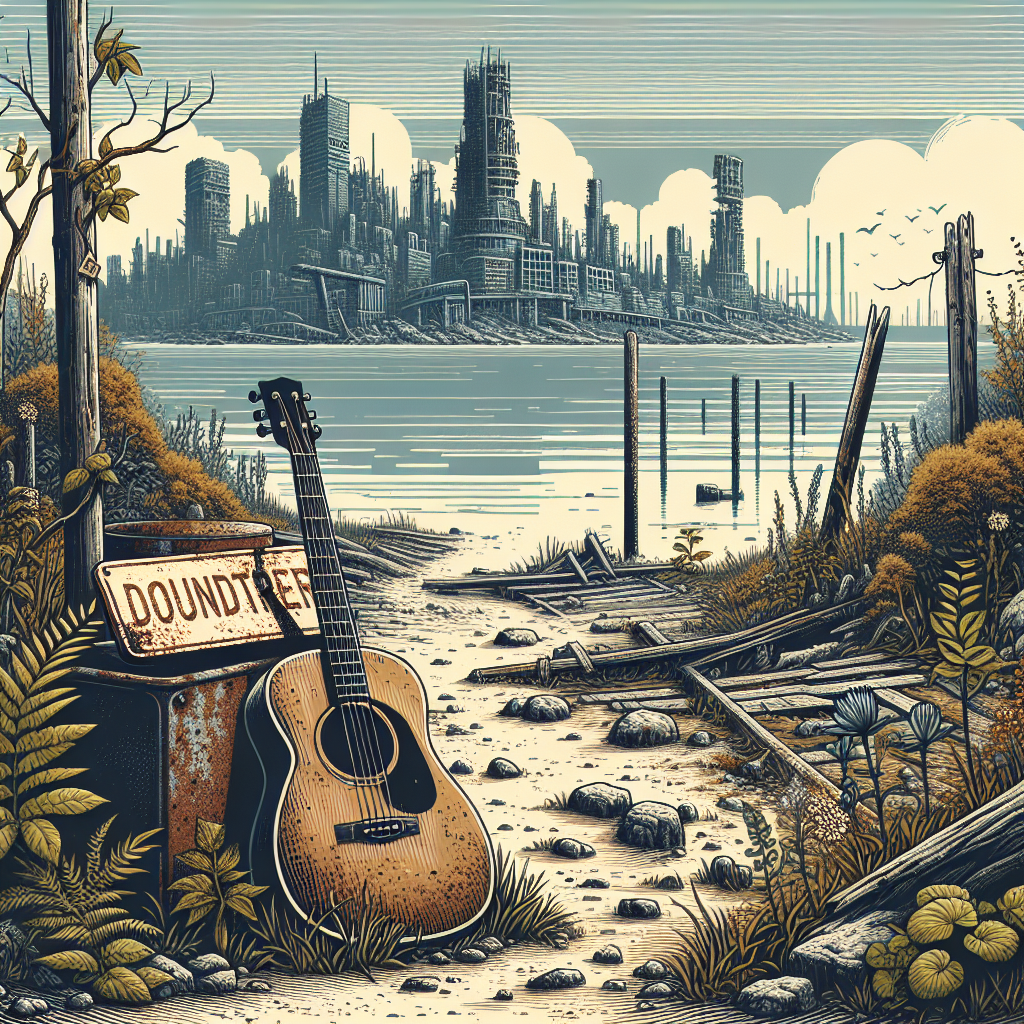
The primary theme of the soundtrack revolves around isolation and survival, reflected through minimalistic instrumentation. Santaolalla’s signature use of the ronroco—a small string instrument from the Andes—sets a hauntingly beautiful tone that echoes throughout the game. This sound becomes synonymous with the desolation and quiet despair that characters endure. The recurring motifs of hope and loss are woven seamlessly into the music, creating a soundscape that resonates with the player long after finishing the game.
Iconic Tracks and Their Impact
The opening track, “Beyond Desolation,” encapsulates the overall mood of The Last of Us Part II. With its sparse instrumentation, the song introduces players to a world where beauty and brutality coexist. It sets the tone for the journey, emphasizing themes of solitude and survival.
“Longing” is another notable track that plays during moments of introspection or tension between characters. Its gentle yet persistent melody highlights the internal struggles faced by Ellie and other characters, reflecting their yearnings and regrets. This track, like many others, makes use of the ronroco, whose strings evoke a poignant sense of nostalgia.
“Dewey’s Farewell,” bearing the melancholy of departing a significant part of oneself, is played during crucial narrative points, serving as a powerful farewell to innocence and peace. The slow, deliberate pace allows players to absorb the gravity of the narrative’s turning points, as the music underscores the emotional weight borne by the characters.
Role of Additional Compositions
Mac Quayle’s contribution brings an additional layer of intensity to the soundtrack. Known for his work on the television series Mr. Robot, Quayle introduces electronic elements that complement Santaolalla’s acoustic compositions. This combination enhances the sense of urgency and danger throughout the game.
Tracks such as “WLF” (Washington Liberation Front Theme) capture the brutality of conflict with a more industrial sound, reminiscent of Quayle’s previous works. The use of electronic rhythms and synth-based beats reflects the organized militarism of factions within the game. These elements are crucial during action sequences, where the tension is palpable, effectively keeping players at the edge of their seats.
Music as a Narrative Device
In The Last of Us Part II, music serves as more than just a backdrop; it is an integral narrative device. The themes and motifs developed through the score are intertwined with character arcs, providing insight into their internal landscapes. Ellie’s progression from hopeful survivor to vengeful warrior is mirrored in the soundtrack, which transitions from melancholic to menacing through the course of the game.
One particularly poignant moment is Ellie’s rendition of “Take On Me” by A-ha, intimately strummed on the guitar. This cover not only showcases Ellie’s vulnerability but also ties back to her memories and longing for connection—an emotional anchor for both her and the player.
Throughout the game, diegetic music (music that exists within the world of the story) like Ellie’s guitar playing, serves to deepen player empathy. These musical interludes create a bond between the player and Ellie, reinforcing her humanity amidst the chaos surrounding her.
Technical Mastery and Sound Design
The Last of Us Part II also excels in its sound design, which complements the music. The ambient sounds of nature reclaiming urban spaces, coupled with Santaolalla’s tracks, craft an immersive experience. Dynamic soundscapes evolve as players navigate through environments, ensuring the auditory experience is as detailed as the visual.
Sound engineer and director Robert Krekel played a key role in integrating music seamlessly with environmental sound effects, resulting in a cohesive aural experience. The shifts between music and ambient sounds are smooth, allowing for a seamless transition that never disrupts the immersive experience.
The Legacy of The Last of Us Part II Soundtrack
The soundtrack of The Last of Us Part II not only supports the narrative and gameplay but elevates them to new heights. Santaolalla’s compositions, rich with emotion and cultural influences, invite players to reflect on the themes of life, loss, and love. Quayle’s electronic additions underline the game’s darker, more threatening moments.
As players progress through the story, the music becomes an echo of their journey, reinforcing key themes, and solidifying their emotional investments. The soundtrack’s capacity to convey complex emotions without words is a testament to the talent behind its creation.
In the wider context of video game music, The Last of Us Part II’s soundtrack continues to be celebrated for its innovative approach and emotional impact. The collaboration between Santaolalla and Quayle demonstrates how combining different musical styles can create a more profound and resonant experience, solidifying the game’s place in video game history.
These aspects of The Last of Us Part II’s soundtrack help ensure it remains a poignant and unforgettable part of the gaming canon. It is not just a collection of tracks, but a crucial component of the narrative tapestry that envelops players, leaving a lasting impression that resonates beyond the screen.






Post Comment