The Role of Violence in The Last of Us Part II Explained
Understanding the role of violence in “The Last of Us Part II” is crucial for grasping its narrative depth and thematic richness. This critically acclaimed video game, developed by Naughty Dog and released in 2020, employs violence not merely as a gameplay mechanic but as a narrative device that challenges players’ emotions and moral compasses. The exploration of violence becomes a central pillar in understanding the game’s characters, atmosphere, and the overarching story that deals with themes of revenge, justice, and the cyclical nature of hatred.
The narrative of “The Last of Us Part II” is divided primarily into two intersecting stories centered on its two protagonists, Ellie and Abby. Violence serves as both a catalyst and consequence within these narratives, driving the characters’ development and the unfolding of events. In Ellie’s storyline, her quest for vengeance is sparked by the brutal murder of Joel, her surrogate father, at Abby’s hands. This incident sets off a series of violent encounters and emotional turmoil that underscore the complex nature of revenge. The depiction of violence in Ellie’s journey is personal, intimate, and often reflective of her internal struggles. As players guide Ellie through a path of destruction, they are constantly reminded of the psychological toll and moral ambiguity of her actions. The game’s design intentionally makes players complicit in its brutal moments, forcing them to confront the consequences of their choices and the impact of violence on human relationships.
On the other hand, Abby’s narrative provides a contrasting perspective, elucidating the motivations behind her deadly actions towards Joel. Her story delves into themes of forgiveness and redemption, offering insight into her humanity and vulnerability. The depiction of violence in Abby’s arc reveals the complexity of vengeance, illustrating how it begets further violence, creating an unending cycle. This dual narrative structure prompts players to reflect on the multifaceted nature of violence, challenging their preconceptions and encouraging empathy for characters on both sides of the conflict.
The realism and intensity of the game’s violent scenes are integral to its emotional impact. The developers employed advanced motion capture technology and detailed character animations to ensure the violence portrayed is not glorified or gratuitous. Instead, they aimed to evoke a visceral reaction from players, prompting them to question their own moral values and the cost of revenge. The graphic nature of the violence creates a sense of discomfort, compelling the audience to contemplate the ethical dilemmas faced by the characters. This approach aligns with the narrative’s focus on the consequences of violence rather than the act itself.
Moreover, “The Last of Us Part II” uses violence to underscore the themes of loss and grief. Each act of brutality serves as a reminder of the characters’ broken world, where survival often necessitates harsh decisions. The game effectively contrasts moments of violence with scenes of quiet reflection and humanity, highlighting the harsh realities of its post-apocalyptic setting. These contrasting elements enrich the narrative, emphasizing how characters are shaped by their experiences and the choices they make in response to violence.
Within the broader narrative, violence also functions as a commentary on societal and cultural issues. The game explores how environments of constant threat and instability impact human behavior, drawing parallels to real-world issues such as war, trauma, and the human instinct for self-preservation. By presenting a world where violence seems inevitable, the game encourages players to consider the broader implications of conflict and the possibility of breaking free from cycles of vengeance. This underlying message adds a layer of philosophical inquiry to the gameplay, enhancing the player’s engagement with the story.
Player agency is another significant aspect affected by the role of violence in “The Last of Us Part II.” The game does not offer simple moral choices or clear-cut paths for players to take. Instead, it places them in morally gray scenarios where the distinction between right and wrong blurs. This lack of binary choices mirrors the unpredictability and complexity of real-life situations, where actions can have unintended consequences, leading players to question not only the characters’ motivations but also their own decisions as players within the narrative.
Additionally, the game employs violence as a tool for character development. As Ellie and Abby navigate their respective paths, their interactions and relationships evolve, often shaped by the violence they experience or inflict. These dynamics provide deeper insight into their personalities and the emotional burdens they carry. Ellie’s journey is marked by a gradual transformation from innocence to hardened resolve, mirroring her internal conflict and the external violence she encounters. Conversely, Abby’s path shifts from vengeance to a quest for redemption, signifying a personal evolution and a desire to break free from the cycle of violence that has defined her life.
The Last of Us Part II’s approach to violence also reflects broader thematic concerns of empathy and understanding. By presenting characters who are neither wholly good nor evil, the game challenges players to empathize with a diverse range of perspectives. The narrative structure encourages examination of the personal histories and motivations that drive individuals to act violently, fostering a nuanced understanding of human behavior. This exploration of empathy extends to the game’s supporting cast as well, whose stories are interwoven with the protagonists’, revealing complex layers of loyalty, betrayal, and compassion.
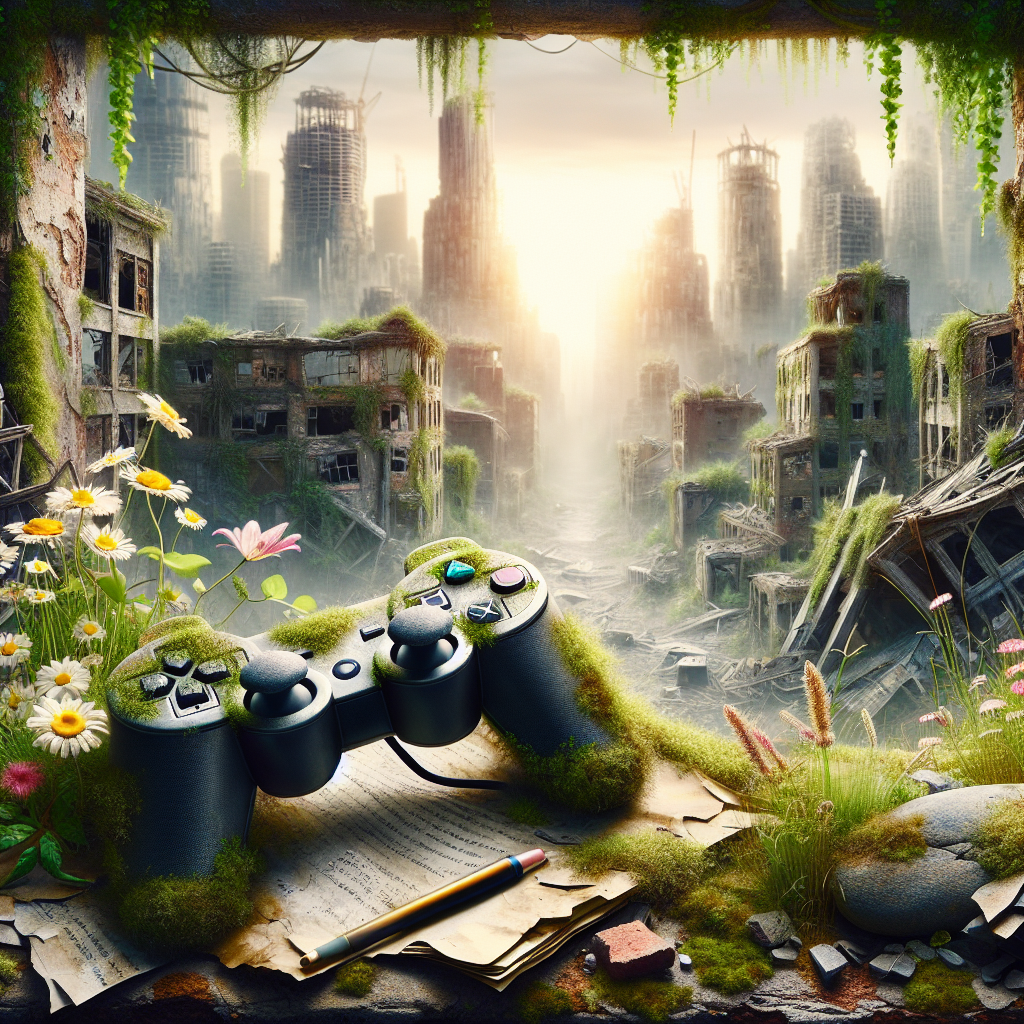
Visually, the game’s design reinforces the themes of violence through its detailed environments and cinematic presentation. The post-apocalyptic setting, with its decaying urban landscapes and hauntingly beautiful vistas, serves as a backdrop that mirrors the themes of destruction and resilience. The contrast between the remnants of civilization and the brutality of the characters’ struggles creates a powerful visual metaphor for the impact of violence on both the world and its inhabitants.
Music and sound design further enhance the role of violence in the game, heightening emotional impact and immersing players in the narrative. The haunting soundtrack complements the intense and often harrowing scenes, while realistic sound effects ensure that each instance of violence carries weight and significance. This meticulous attention to audio design ensures that players remain engaged with the emotional core of the story, further emphasizing the toll that violence takes on both characters and players alike.
In summary, the role of violence in “The Last of Us Part II” is multidimensional, serving as a narrative, thematic, and emotional device. It challenges players to confront the complexities of human nature, the cycle of revenge, and the potential for empathy and redemption. Through its sophisticated storytelling, realistic portrayal of violence, and moral ambiguity, the game compels players to engage deeply with its characters and themes, ultimately delivering an experience that resonates on a profound emotional level. This nuanced treatment of violence not only enhances the narrative’s depth but also solidifies the game’s place as a seminal work in modern gaming and storytelling.













Post Comment