The Competitive E-Sports Scene of Counter-Strike 2
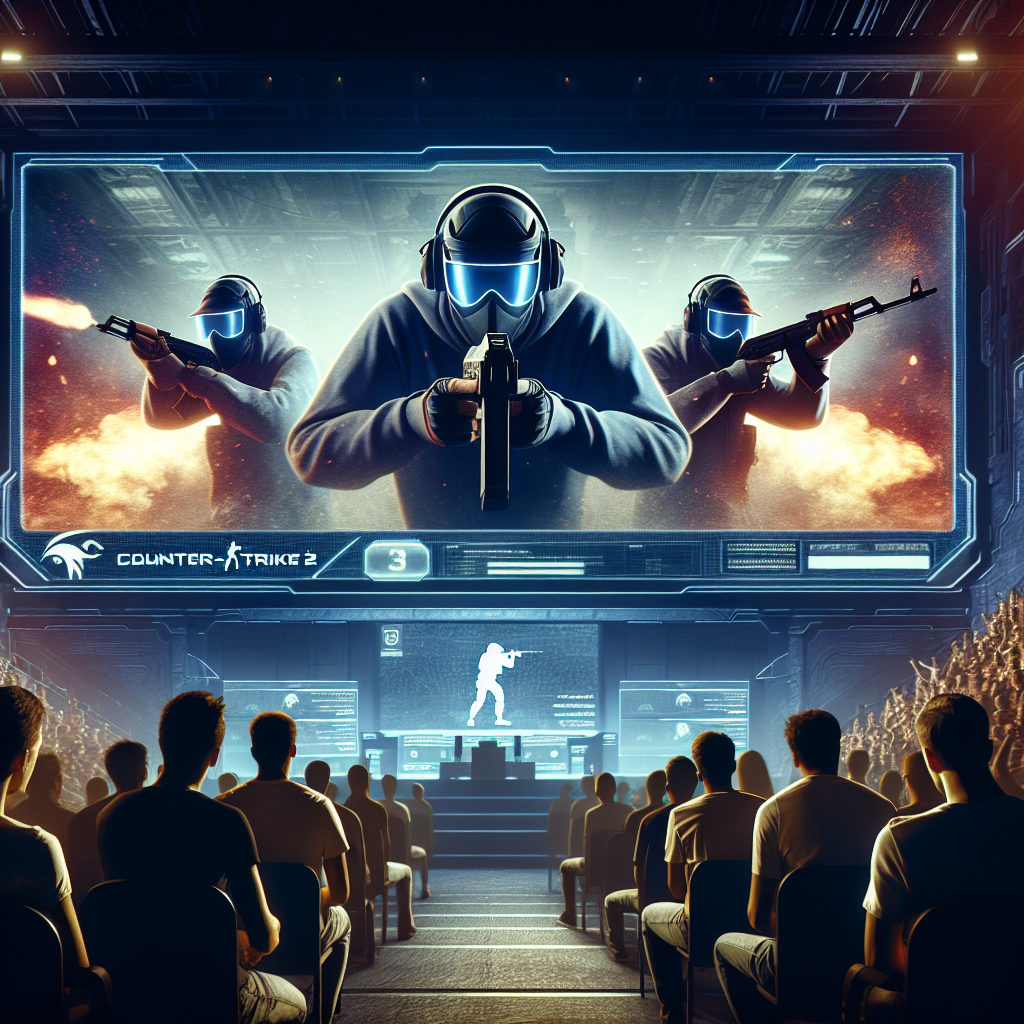
Understanding Counter-Strike 2 and Its Impact on E-Sports
Counter-Strike 2, the eagerly anticipated sequel to one of the most influential first-person shooter games, has brought a new wave of enthusiasm to the competitive e-sports scene. As the successor to Counter-Strike: Global Offensive (CS:GO), Counter-Strike 2 builds on its predecessor’s foundation while introducing fresh mechanics and improved graphics powered by Valve’s Source 2 engine. This evolution has not only enhanced gameplay but also re-energized the competitive landscape, drawing in new talent and providing deeper tactical opportunities for seasoned players.
The Evolution of E-Sports: Counter-Strike’s Historical Context
To appreciate the current competitive scene of Counter-Strike 2, one must first consider the evolution of its legacy. The original Counter-Strike mod, released in 1999, set the stage for team-based tactical shooters. Over the years, the franchise evolved, with CS:GO launching in 2012 and becoming a cornerstone of e-sports. CS:GO’s structured tournament scene and vibrant community nurtured a competitive ecosystem that new iterations aim to expand upon.
A New Era of Tactics: Gameplay Innovations
Counter-Strike 2 introduces new dynamics that have shifted the meta and strategies employed by professional teams. The upgraded Source 2 engine offers enhanced physics and environmental interactions, allowing players to engage with the game world like never before. This includes realistic smoke effects that can be manipulated with grenades, encouraging innovative tactics and teamwork. The introduction of dynamic weather and lighting effects further ensures that no two matches are ever the same, adding layers of complexity to strategic planning.
The Thriving Tournament Circuit
The competitive e-sports scene for Counter-Strike 2 has quickly taken root. Major organizers like ESL, DreamHack, and BLAST Premier have jumped on board, hosting tournaments that attract millions of viewers globally. Professional teams such as Astralis, Natus Vincere, and Team Liquid have adapted to the nuances of Counter-Strike 2, showcasing new plays and strategies on grand stages.
These tournaments offer lucrative prize pools and significant viewership, underscoring Counter-Strike 2’s status as a pivotal fixture in e-sports. Key events such as the ESL Pro League and the Intel Extreme Masters serve as battlegrounds where legends are born and new stories are written. This thriving circuit not only sustains the professional scene but acts as a beacon for aspiring players looking to make their mark.
Skill Development and Talent Cultivation
The transition to Counter-Strike 2 has prompted teams and players to re-evaluate their skills and adapt to new mechanics. Youth academies and talent development programs have risen to prominence, with organizations investing in the next generation of e-sports talent. The focus has shifted towards not only mechanical skill but also strategic thinking and adaptability.
Platforms like Twitch and YouTube have played pivotal roles in connecting audiences with players, providing insights through streams, tutorials, and VOD reviews. This accessibility helps budding players to learn and grow, contributing to a robust pipeline of talent eager to compete at the highest levels.
Challenges and Considerations
While Counter-Strike 2 has been embraced with open arms, the transition has not been without its challenges. The need for players to acclimate to new physics and mechanics has required rigorous practice and adaptation. Additionally, the e-sports community has navigated the technological demands imposed by the upgraded engine, including ensuring hardware compatibility and optimal performance during competitive play.
Integrity remains a focal point, as with any competitive scene. Organizers and developers have continued their commitment to anti-cheat measures and fair play, ensuring that the competitive environment remains trustworthy and credible. Furthermore, the increased complexity of Counter-Strike 2 demands better analytical tools for coaches and analysts, spotlighting an area ripe for technological innovation.
The Role of Community and Cultural Impact
The Counter-Strike community has been integral to the success of the e-sports scene. Community engagement through forums, social media, and fan-made content fosters a vibrant culture that enriches the competitive environment. Modding and custom content have historically played significant roles in the game’s development, and Counter-Strike 2 continues this tradition by encouraging community creativity.
The cultural impact of Counter-Strike 2 extends beyond individual matches and tournaments. Its narrative has been woven into wider conversations about gaming as a legitimate form of competition and entertainment. The global reach of Counter-Strike events contributes to cultural exchanges and the breaking of language and geographical barriers, uniting players and fans from around the world.
Streaming and Content Creation: Expanding the Ecosystem
In the era of digital media, streaming and content creation have become integral components of the Counter-Strike 2 ecosystem. Top players and teams frequently broadcast their matches and practice sessions, offering fans insider views and adding a personal touch to professional gaming. Streaming platforms like Twitch not only provide additional revenue streams for players but also serve as conduits for fan interaction.
Content creators have leveraged the game’s dynamics to produce educational and entertaining videos, enriching community understanding. From strategy breakdowns to comedic highlights, the diverse range of content available complements formal guides and fosters a more inclusive and well-informed fan base.
Sponsorships and Economic Implications
The burgeoning popularity of Counter-Strike 2 has attracted significant interest from sponsors and advertisers. Brands are keen to tap into the vast audience base that competitive gaming offers. Sponsorship deals and advertising revenues have injected financial vitality into the scene, supporting tournament productions, player salaries, and organizational growth.
This influx underscores a growing recognition of e-sports as a viable commercial venture. Companies across various sectors now see the value in associating their brands with successful teams and events. This trend is likely to continue, driving further investment and professionalization within the industry.
The Future of the Competitive Scene
As Counter-Strike 2 cements its place in the e-sports landscape, several factors will shape its future trajectory. Continued technological improvements and community feedback will drive gameplay refinements, ensuring the game remains fresh and competitive. The expansion of regional leagues and grassroots initiatives will further widen participation, encouraging diversity and inclusivity.
Education and formalization of e-sports as a career path also loom on the horizon. Universities and institutions are increasingly recognizing the importance of e-sports, offering scholarships and programs to foster talent. These developments point towards a bright future, where Counter-Strike 2 remains a dominant force in shaping the broader e-sports ecosystem.
Through its blend of innovation, competition, and community engagement, Counter-Strike 2 has solidified its status as a pivotal fixture in the world of competitive gaming. Its impact on the industry is profound, influencing everything from player dynamics to cultural perceptions of gaming. The ongoing evolution of Counter-Strike 2 will undoubtedly continue to captivate, challenge, and inspire.







Post Comment