Exploring the Intricate Storylines and Character Development in Fire Emblem: Three Houses
Exploring the Intricate Storylines and Character Development in Fire Emblem: Three Houses
Fire Emblem: Three Houses, developed by Intelligent Systems and Koei Tecmo for the Nintendo Switch, has captivated players since its release in 2019 with its deep narrative and complex character development. This tactical role-playing game weaves together a rich tapestry of storylines that evolve based on player choices, providing a unique experience that explores themes of friendship, loyalty, and moral ambiguity.
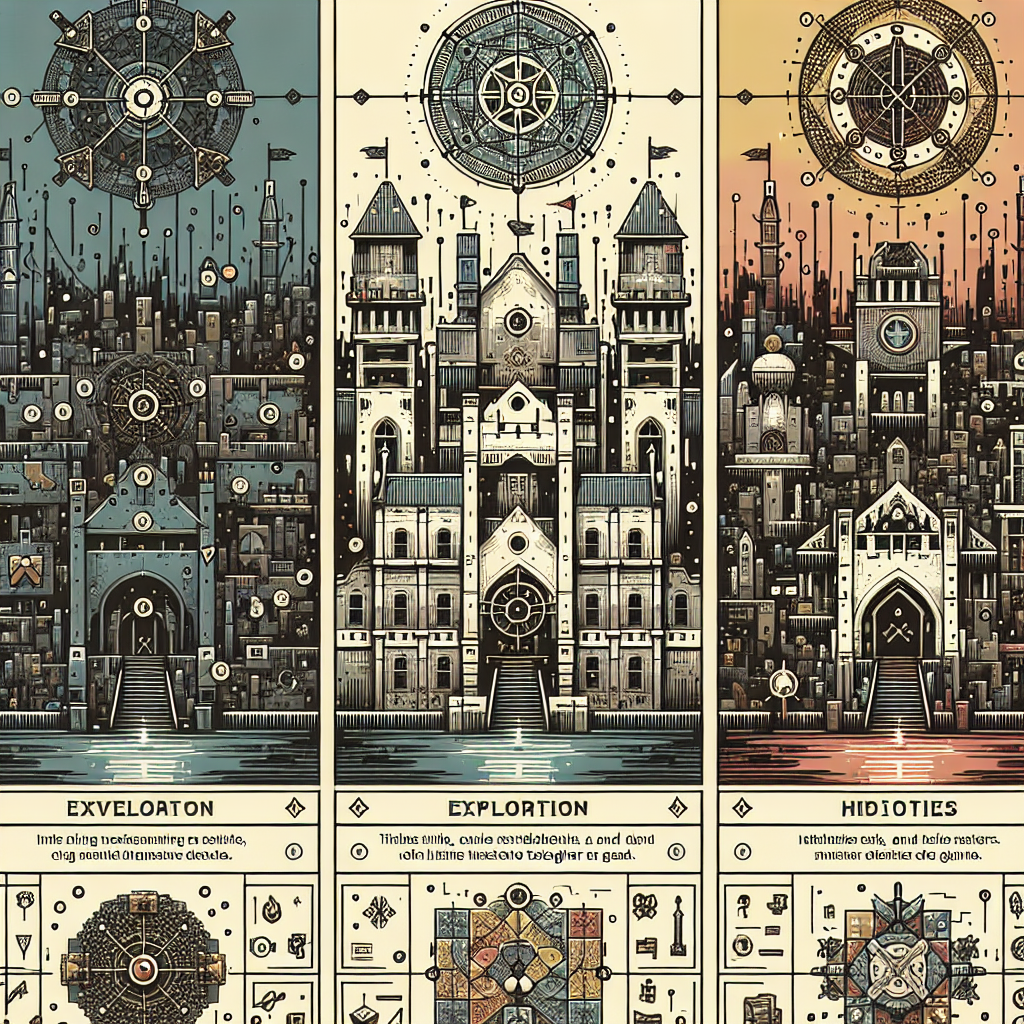
The game’s setting is the continent of Fódlan, a land divided among three powerful nations: the Adrestian Empire, the Holy Kingdom of Faerghus, and the Leicester Alliance. These nations converge at the Garegg Mach Monastery, a powerful institution that serves as the game’s central hub for both storyline and strategy. Players step into the shoes of Byleth, a young mercenary turned professor, who must choose to lead one of the three titular houses: the Black Eagles, Blue Lions, or Golden Deer. Each house draws students from their respective regions, and the choice of house heavily influences the narrative and character interactions throughout the game.
The narrative structure of Fire Emblem: Three Houses revolves around a cyclical progression of months, where the player engages in battles and classroom instruction while exploring the monastery’s mysteries and forming bonds with the students. This approach ensnares players in a continuous push and pull between the strategic battles and the immersive storytelling off the battlefield.
One of the game’s most praised features is its intricate character development. Each character is meticulously crafted with unique backstories, motivations, and personal goals; their growth is closely tied to the decisions the player makes. The three primary paths diverge early, providing varied perspectives and revealing different facets of each character’s personality.
In the Black Eagles, led by Edelgard, players encounter themes of reform and revolution. Edelgard is a nuanced character, driven by her vision of a world free from the corrupting influence of crests—mystical symbols granting power and prestige. She grapples with the weight of her imperial legacy and the sacrifices required to achieve her ambitions. Her classmates include characters like Hubert, whose unwavering loyalty to Edelgard often manifests in morally questionable actions, and Bernadetta, a shy archer struggling with severe anxiety due to her troubled upbringing.
The Blue Lions’ storyline is a tale of chivalry and tragedy led by the noble Dimitri. His path is marked by a thirst for vengeance following a massacre that devastated his family. Throughout the game, Dimitri’s struggle with inner demons and reconciliation of personal trauma with his regal duties offers a profound narrative journey. His house members, such as Felix, who battles with familial expectations and the concept of knighthood, and Mercedes, a kind-hearted healer with a secret past linked to the church, further add depth to the storyline.
The Golden Deer house, under Claude’s leadership, introduces a narrative rich in intrigue and the revelation of hidden truths. Claude is an enigmatic leader more concerned with uncovering secrets and maintaining peace through unity rather than direct confrontation. His charm belies his strategic acumen, making him a compelling figure. Characters like Lysithea, a prodigious mage grappling with mortality, and Raphael, a brawny fighter driven by familial devotion, bring balance between lightheartedness and intense personal arcs.
The monastery setting allows players to explore character relationships through the game’s support system, enhancing immersion by unlocking personal dialogues that delve deeper into the students’ lives. This system not only provides insight into character backgrounds but also influences their performance on the battlefield by fostering bonds that can turn the tide of battle.
Fire Emblem: Three Houses cleverly employs multiple narrative outcomes as players’ choices, whether in battle, dialogue, or exploration, significantly impact the story’s progression and conclusion. Events like the climactic “Battle of Eagle and Lion” and the “Garreg Mach Monastery Battle” are pivotal in determining the political landscape and character alliances. The game’s timeskip, a marked narrative shift midway through, strengthens the impact of earlier decisions, driving home the long-term consequences of player actions.
The interplay between political intrigue, personal desires, and the supernatural elements of Fódlan’s history is carefully layered, inviting players to question the nature of power, governance, and destiny. The inclusion of the mysterious Church of Seiros, its religious influence on society, and the hidden origins of the protagonist add depth to the overarching narrative, challenging players to reconsider their alignments and priorities.
In terms of SEO optimization, it’s crucial to highlight key game terms such as “Fire Emblem: Three Houses,” “storylines,” and “character development.” By focusing on these aspects, the article attracts fans and newcomers alike interested in learning more about the game’s rich narrative structure and engaging character arcs.
Fire Emblem: Three Houses is a masterclass in storytelling within the gaming medium. By offering diverse narratives through its house system and character-driven plots, it ensures that each playthrough provides fresh perspectives, constantly reinforcing the game’s core themes. Whether navigating the geopolitical struggles of Fódlan or forging personal connections within the walls of Garegg Mach, players are continuously drawn into a world that challenges them to think critically about leadership and the human condition.











Post Comment