Mastering Deck Strategies in Clash Royale for Victory
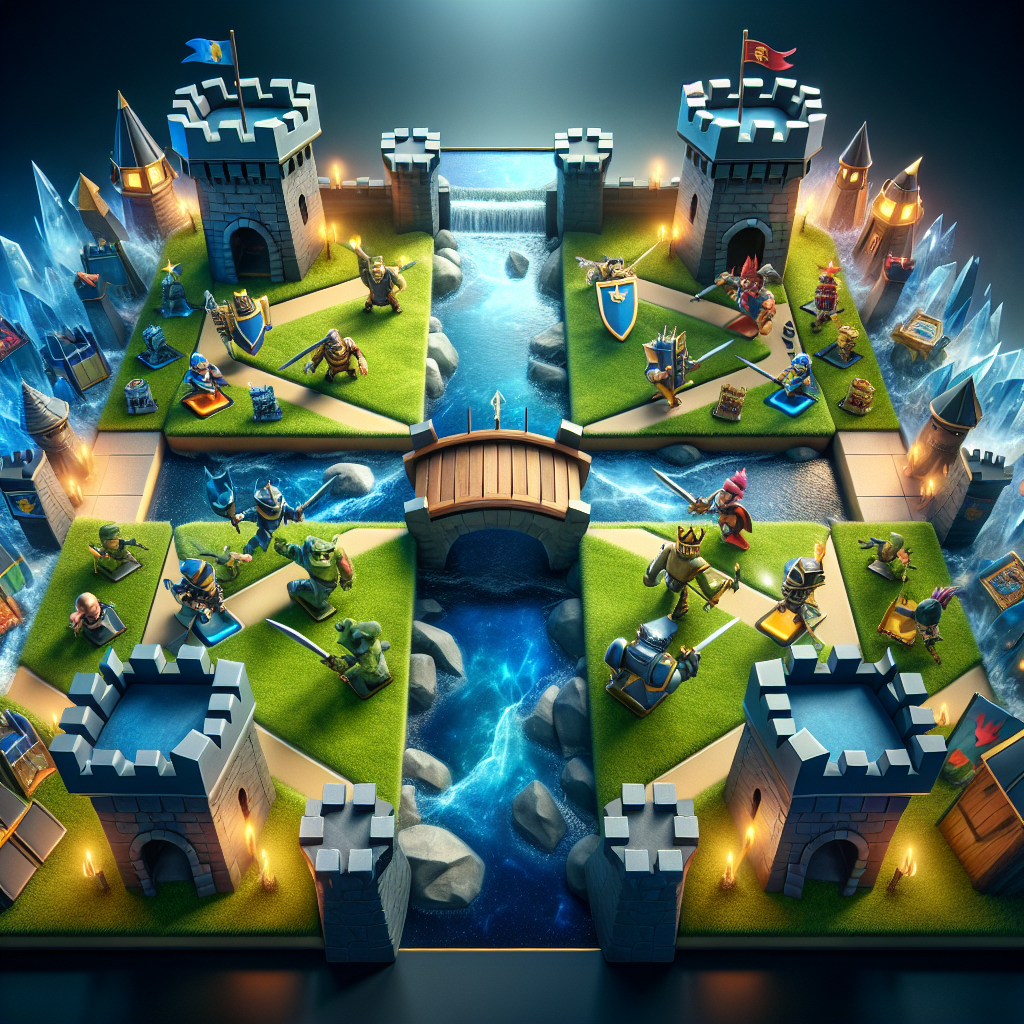
Mastering deck strategies in Clash Royale is pivotal for achieving victory in this real-time multiplayer game. Players can enhance their performance by understanding the nuances of deck building, countering opponents’ strategies, and adapting to in-game dynamics. This comprehensive guide will delve into the essential components for dominating Clash Royale with superior deck strategies.
To begin with, understanding the different types of decks is crucial. Decks in Clash Royale typically fall into categories such as control, beatdown, cycle, siege, and hybrid decks. Each type offers unique gameplay mechanics and excels in different scenarios. Control decks focus on countering the opponent’s troops, utilizing spells, and building an advantage over time. Beatdown decks, on the other hand, revolve around deploying heavy units to overwhelm the opponent in one massive push. Cycle decks rely on fast, low-cost cards to maintain pressure and cycle back to key cards quickly, while siege decks aim to deal damage from a distance using buildings like the X-Bow or Mortar.
Hybrid decks combine elements from these archetypes, offering versatility to adapt to different match-ups. Identifying which deck type suits your playstyle is the first step towards mastering Clash Royale strategies. A successful player must be able to not only build a solid deck but also play it effectively against various opponent strategies.
A crucial aspect of deck building is understanding card synergies. Synergy refers to how well cards work together to create a powerful combination or counter specific threats. For instance, the classic combo of Hog Rider and Freeze can catch opponents off guard, leading to significant tower damage. Similarly, pairing the Giant with the Witch can provide a formidable offense, as the Witch’s spawning Skeletons distract enemy troops while the Giant deals damage.
To enhance synergy, prioritize balancing card costs and roles. A balanced deck typically contains cards that offer offense, defense, and support, with an average elixir cost that allows for flexibility in play. Aim for a mixture of cheap and expensive cards to both maintain constant pressure and mount counterattacks when necessary.
Counterplay is another vital component of winning through deck strategy. Knowing your deck’s strengths and weaknesses enables effective counterplay against common threats. For example, a deck vulnerable to air assaults should compensate by including anti-air cards like the Mega Minion or Electro Dragon. Familiarizing yourself with the current meta—the most effective strategies and decks being used by top players—also helps in anticipating opponent tactics and preparing suitable counters.
Adaptability during matches can turn the tide in your favor. As battles progress, observing your opponent’s play style, card rotation, and elixir management is crucial. Effective players adjust their strategies based on real-time information. If an opponent relies heavily on a specific win condition, such as the Royal Giant, bolster your defenses and conserve cards that counter that threat. Adaptation also involves recognizing when to go on the offensive, from slow building up large pushes to capitalizing on an opponent’s elixir shortage.
The importance of effective elixir management in a tight match cannot be overstated. Smart elixir use can maintain offensive momentum or reinforce defenses during critical moments. Monitoring your elixir bar and avoiding wasteful plays ensures you are ready to respond to the enemy’s moves. The key is balancing immediate responses with long-term strategic goals, ensuring that enough elixir is conserved for essential plays and counters.
Further refining deck mastery involves taking advantage of card interactions and placements. Precise troop placement can dodge attacks, activate your King’s Tower for a defensive edge, or split pushes to keep opponents guessing. Practicing placement of cards like Tornado or Ice Spirit to maximize area-of-effect damage or freezing capability can give you an upper hand in crucial moments.
Regularly updating and testing decks keeps strategies fresh and responsive to new developments within the game’s evolving meta. As new cards are introduced or existing ones are balanced by the developers, reevaluating your deck’s composition ensures it remains competitive. The constant cycle of testing, learning, and adjusting not only helps in identifying weak points but also emphasizes continuous learning as a hallmark of a seasoned player.
Participating in challenges, tournaments, and clan battles hones competitive skills and exposes players to diverse strategies and strategies. Engaging with the community, whether through forums, watching replays, or following top players’ streams, provides valuable insights into evolving tactics and deck configurations.
Ultimately, mastering deck strategies in Clash Royale requires a blend of theoretical understanding, practical application, and adaptive ingenuity. By focusing on the core principles of deck building, synergy, counterplay, adaptability, and continuous improvement, players can position themselves for consistent victory. Clash Royale, at its heart, is not just about selecting the strongest cards but about using them wisely to outthink and outmaneuver opponents, both of which are paramount ingredients for success on the battlefield.














Post Comment