StarCraft II: Strategies for Beginners and Pros Alike

Understanding the Basics of StarCraft II
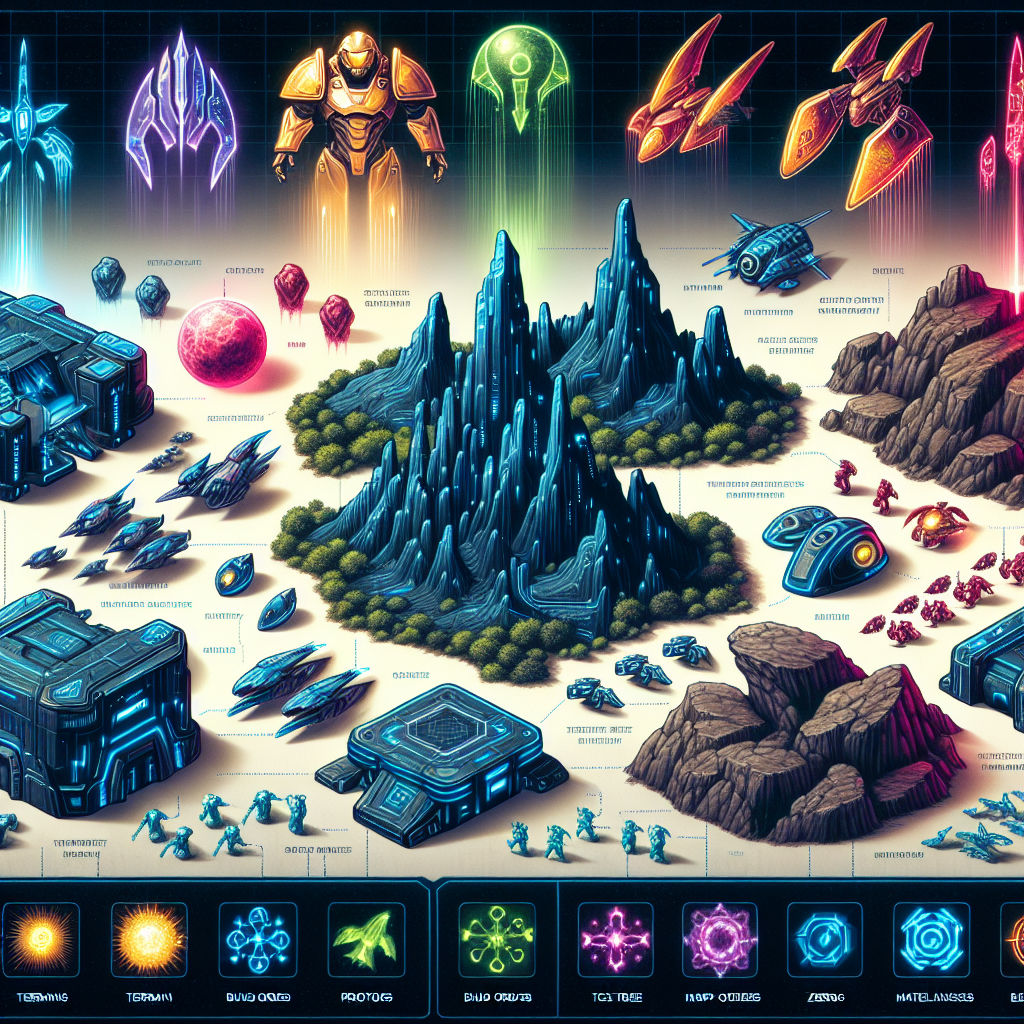
StarCraft II, developed by Blizzard Entertainment, is a real-time strategy game that demands quick thinking, precise execution, and strategic planning. Whether you’re a beginner or a seasoned pro, mastering the game’s mechanics is crucial. At its core, StarCraft II revolves around three distinct races: Terran, Zerg, and Protoss. Each race offers unique units, buildings, and abilities, requiring players to tailor their strategies accordingly.
Race Selection and Understanding Strengths
Choosing the right race is the first strategic decision players must make. Terrans, with their adaptable and defensive units, are ideal for beginners. They offer strong versatility with units like the Marine and Siege Tank. Zerg, known for their overwhelming numbers and mobility, require players to constantly manage their resources and time expansions effectively. Meanwhile, Protoss relies on advanced technology and powerful units, making them a favorite for players who enjoy strategic precision.
Macro and Micro Management: The Dual Pillars of Strategy
Effective macro and micro management are essential for success in StarCraft II. Macro refers to the overarching strategy and economy management, such as maintaining a steady supply of resources and continuously producing units and buildings. For beginners, focusing on continuous worker production and managing supply caps is critical.
Micro management, on the other hand, involves the tactical control of units on the battlefield. Skills such as kiting, focus fire, and using unit abilities effectively can turn the tide of a battle. Advanced players often use control groups and hotkeys to manage their units efficiently, ensuring quick response times and precise control during engagements.
Scouting: Information is Power
Scouting is a fundamental aspect of StarCraft II that allows players to gather intelligence on their opponent’s plans. Early game scouting with worker units or dedicated scouting units like the Terran Reaper, Zerg Overlord, or Protoss Observer is crucial. This information guides strategic decisions, such as tech transitions, expansions, or timing attacks. Advanced players use scouting to identify weak points in the opponent’s defense, allowing for targeted strikes that can disrupt their game plan.
Timing Attacks and Understanding Timings
Timing attacks are powerful strategies that exploit specific windows where the player’s army is strongest compared to the opponent. Understanding timings involves knowing when specific units or upgrades become available and coordinating attacks around these power spikes. Beginners should focus on fundamental timing attacks like the Terran “Stim Timing Push,” while advanced players might employ complex strategies like “Two-base Timing Attacks” that rely on precise resource management and scouting.
Resource Management: Managing Expansions and Economy
Resource management is another key element that separates good players from great players. As players progress, learning to expand efficiently is crucial. Beginners should aim to expand simultaneously with their first army push, ensuring a steady economy. Advanced players often employ strategies like “Zerg Hatch First” or Protoss “Forge Fast Expand,” which require precise timing and micro to secure early economic advantages.
Map Control and Positioning: Dominating the Battlefield
Maintaining map control is vital for dominating the battlefield. Controlling key locations, such as high-yield minerals or strategic choke points, gives players a distinct advantage. Beginners are encouraged to practice establishing map control with early scouting and map awareness, while advanced players leverage map control to manipulate enemy movements, launching surprise attacks or executing flanking maneuvers.
Unit Composition and Counterplay: Adapting to the Opponent
Building the right unit composition is essential for adapting to the opponent’s strategy. Understanding unit counters enables players to react appropriately. For example, if facing a Zerg opponent with a Roach-heavy army, Terrans might opt for Marauders, while Protoss players could use Immortals. Advanced players excel at predicting opponents’ compositions through scouting, allowing them to preemptively adjust their unit composition and maintain an edge in engagements.
Transitioning Strategies: Adapting Over Time
StarCraft II matches often evolve over time, requiring players to transition strategies effectively. Early surges need to give way to mid-game expansions and tech upgrades, followed by late-game compositions capable of sustaining prolonged engagements. Beginners should focus on smooth tech transitions, such as moving from Protoss Gateway units to powerful Robotics units like Colossi. Advanced players excel by understanding the ebb and flow of the game, constantly adapting their strategies to maintain pressure and control.
The Psychological Game: Mind Games and Bluffing
StarCraft II is as much a mental battle as it is a physical one. Skilled players often employ mind games to trick opponents, such as feigning attacks or hiding tech choices. Beginners can start by learning simple bluffs, like building a visible unit counter to mislead opponents. Pro players, however, might use elaborate deceptions, like revealing a fake army while a hidden force launches a surprise attack. Developing strong mental strategies can give players an edge, forcing opponents into mistakes.
Effective Use of Hotkeys and Control Groups
Hotkeys and control groups are tools that enhance a player’s efficiency and effectiveness in managing their army and base. Beginners should focus on learning the basic hotkeys for their race, gradually adding more as they become comfortable. Using control groups to manage different segments of an army, or separate expansions, allows for rapid response and adaptability during intense battles. Advanced players often customize their hotkey setups to optimize speed and comfort, giving them a competitive edge in high-stakes matches.
Analyzing Replays and Learning from Defeats
Watching replays is an invaluable tool for improving in StarCraft II. Beginners should regularly analyze their own games, identifying mistakes and areas for improvement. Observing professional matches offers insight into advanced strategies, timing, and unit compositions. Pro players meticulously study their defeats, understanding opponent strategies and refining their tactics to overcome similar challenges in future games.
Building a Diverse Arsenal: Practice and Learn
StarCraft II requires players to possess a diverse arsenal of strategies. Regular practice, coupled with the willingness to experiment with new tactics, is essential for growth. Beginners should master a few core strategies for their chosen race, gradually expanding their repertoire. Advanced players thrive by constantly innovating and incorporating new techniques into their gameplay, ensuring they remain unpredictable and competitive.
Balancing Offensive and Defensive Playstyles
Successful StarCraft II players balance offensive and defensive strategies effectively. Beginners often find defensive play easier, using static defenses like Terran bunkers or Protoss cannons. As they progress, learning when and how to launch aggressive maneuvers becomes crucial. Advanced players demonstrate mastery in adapting their playstyle based on opponent weaknesses, switching from defense to offense seamlessly to maintain pressure and control.
Leveraging the Community and Seeking Guidance
Finally, engagement with the StarCraft II community is an excellent way to enhance skills. Many experienced players share knowledge through online forums, tutorials, and live streams. Beginners should seek advice and feedback from more experienced players while watching professional matches for inspiration. Advanced players often contribute to the community by sharing their insights, fostering a culture of growth and learning within the StarCraft II community.
By mastering these strategies, players can navigate the dynamic and challenging world of StarCraft II with confidence, continually improving their skills and achieving greater success on the intergalactic battlefield.









Post Comment