StarCraft II: The Rise of Esports

StarCraft II is a monumental figure in the history of esports, serving as a catalyst for the industry’s explosive growth globally. Released by Blizzard Entertainment in 2010, this real-time strategy game quickly captivated audiences with its intricate gameplay mechanics, vibrant esports scene, and its role in shaping professional gaming as a career path.
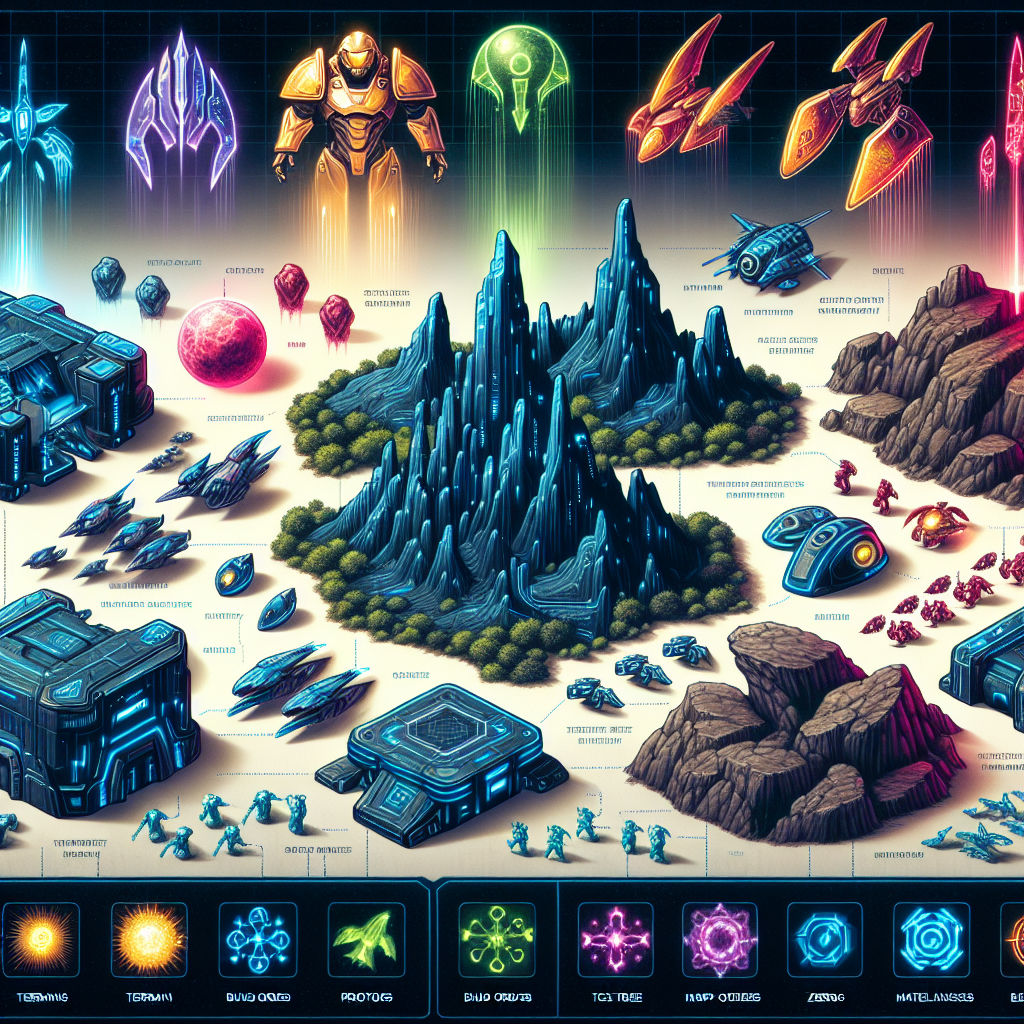
Born from the success of its predecessor, StarCraft: Brood War, StarCraft II improved upon the formula with updated graphics, new features, and a refined gameplay balance that encouraged competitive play. It introduced three diverse factions: the Terran, the Zerg, and the Protoss, each with unique abilities and strategies that added depth and complexity to the game. This diversity provided a rich palette for players to explore, leading to highly strategic and unpredictable matches.
From the outset, StarCraft II was designed with esports in mind. Blizzard implemented robust matchmaking systems and extensive support for tournaments. This facilitation from the developers helped propel StarCraft II into the esports spotlight. Gamers from around the world competed in professional leagues, with South Korea standing out as the epicenter of StarCraft II esports, thanks to its established gaming culture and infrastructure from the Brood War days. Here, gaming wasn’t just a pastime—it was a burgeoning career path for many talented players.
The StarCraft II esports scene grew rapidly, with tournaments like the Global StarCraft II League (GSL) in South Korea becoming premier events that attracted international attention. The balance and intense nature of the game meant that these tournaments consistently delivered thrilling spectacles. Players demonstrated not only strategic depth but also incredible mechanical skill, as they managed resources, directed armies, and executed split-second decisions to outmaneuver their opponents.
Esports organizations and sponsors quickly began to notice StarCraft II’s potential. Major teams like Evil Geniuses, Team Liquid, and SK Gaming signed talented players, providing them with salaries, coaching, and the necessary resources to compete at the highest levels. Prize pools for tournaments swelled, with international events like the Intel Extreme Masters (IEM) and Major League Gaming (MLG) offering substantial winnings. These developments marked a significant shift in the perception of gaming from a hobby to a viable profession and entertainment spectacle.
The rise of StarCraft II coincided with advancements in live-streaming technology, particularly with platforms like YouTube and Twitch. These allowed fans to easily access live coverage of matches, with professional commentary providing insightful analysis that further engaged audiences. The online community’s inclusivity and accessibility fueled the rise of esports, turning players and commentators into celebrities, with vast followings akin to traditional sports athletes.
StarCraft II also played a pivotal role in the globalization of esports. It wasn’t just South Korea that was captivated by the game; North America, Europe, and China developed their own competitive scenes. This international appeal was a critical factor in the widespread acceptance of esports as a legitimate form of entertainment. StarCraft II tournaments often featured players from multiple continents, battling for supremacy in front of millions of viewers worldwide.
Moreover, StarCraft II had significant cultural impacts beyond just the professional sphere. For many, it served as an introduction to competitive gaming, with its strategic elements mirroring those found in traditional sports, like chess or soccer. The game’s learning curve and need for constant improvement taught concepts such as strategic thinking, adaptability, and the importance of practice.
The proliferation of international tournaments and leagues further fostered a sense of global community among players. Events such as the World Championship Series (WCS) exemplified this, bringing together top players and fans from around the globe to celebrate their love for StarCraft II. This not only nurtured talent but also inspired a new generation of players and viewers who have carried forward the spirit of competitive gaming into other titles and genres.
However, the journey wasn’t without challenges. The esports landscape is intensely competitive, and as new games emerged, they vied for viewers’ attention and tournament slots. Yet, StarCraft II has retained a dedicated player base and viewership. Many attribute this staying power to the game’s rich lore and the continual updates and expansions provided by Blizzard, such as “Heart of the Swarm,” “Legacy of the Void,” and “Nova Covert Ops,” which kept the game fresh and relevant.
The development and management of such a thriving esport also highlighted the importance of community feedback and adaptability. Blizzard’s engagement with the community through forums and social media platforms ensured that player concerns about balance and gameplay were addressed promptly. This open dialogue between developers and players has been instrumental in sustaining the game’s longevity and competitiveness.
StarCraft II continues to be a marquee title in the esports industry, serving as a benchmark for success. Its emphasis on strategy, skill, and high-stakes competition set a standard that many other esports have aspired to replicate. It also provided a sustainable model for how games could engage with their community and maintain relevance over the years through updates, balanced gameplay, and global competitive scenes.
Ultimately, StarCraft II’s legacy is its role as a progenitor of modern esports. It proved that competitive gaming was more than just a niche interest; it was a viable industry capable of reaching global audiences. Its success opened doors for countless other games and legitimized esports as a professional pursuit, embedding competitive gaming deeply into the fabric of the global entertainment industry.
As StarCraft II moves forward, its influence remains evident in the burgeoning esports titles that continue to captivate audiences today. Through its pioneering efforts, the game has left an indelible mark on the industry, forever shaping how games are played, presented, and appreciated worldwide.



Post Comment