Uncharted 4: A Thief’s End’s Contribution to Narrative Design
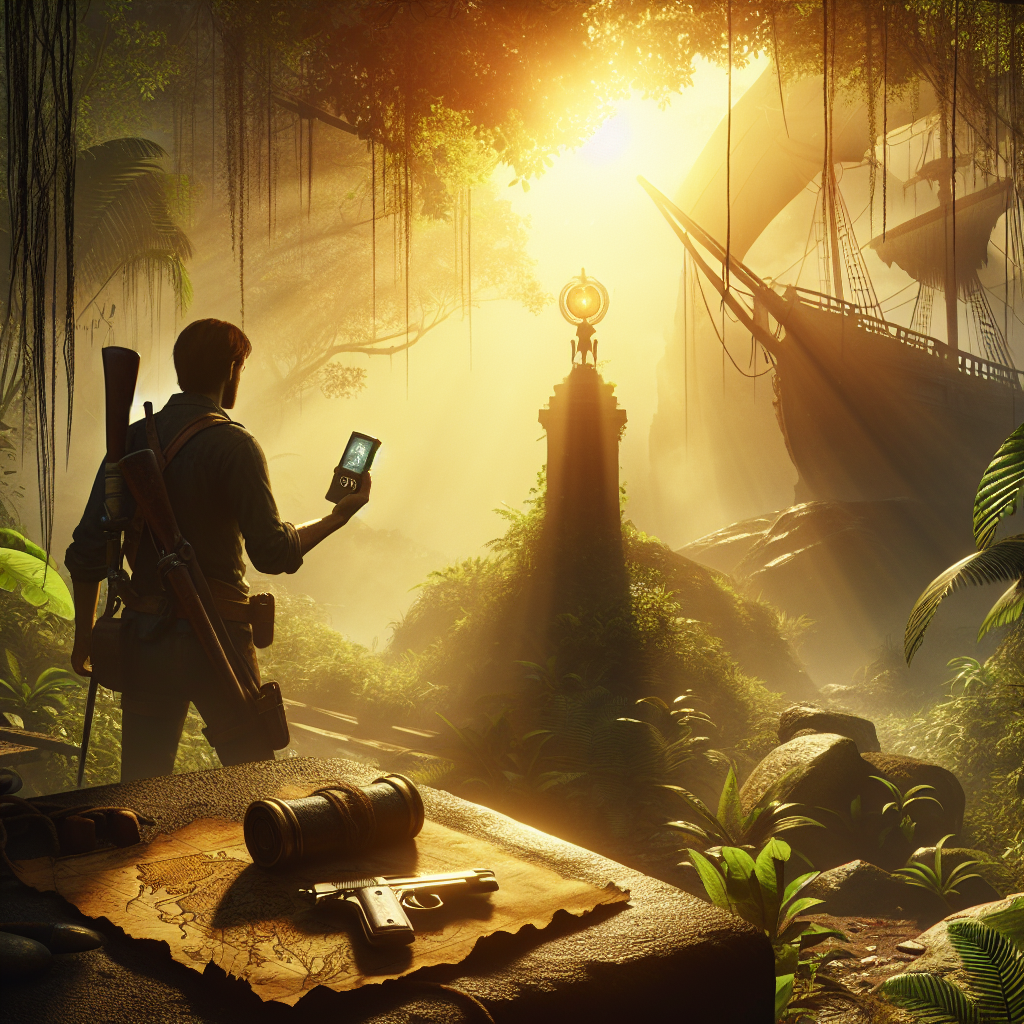
Uncharted 4: A Thief’s End, released by Naughty Dog in 2016, stands as a benchmark in narrative design within video game storytelling. By seamlessly merging cinematic elements with interactive gameplay, Uncharted 4 has pushed the boundaries of narrative depth and interactivity, setting a new standard for storytelling in video games.
The success of Uncharted 4 in narrative design can be largely attributed to its adept use of character development. The protagonist, Nathan Drake, is more than a vehicle for player action; he is a well-rounded character with depth, motivations, and a past that significantly influences the storyline. This is a significant departure from earlier video games where character development was minimal and secondary to gameplay. In Uncharted 4, character arcs are intricately woven into the gameplay to create a cohesive and immersive experience.
Nathan Drake’s relationship with other characters, most notably his brother Sam, his mentor Sully, and his wife Elena, serves as the emotional core of the game. These relationships are not just background information; they are integral to the plot and affect gameplay mechanics. For instance, the interactions between Nathan and Sam reveal not only their shared history but also establish the stakes of their present adventure. This relational dynamic keeps players invested in the storyline, motivating them to progress through the game.
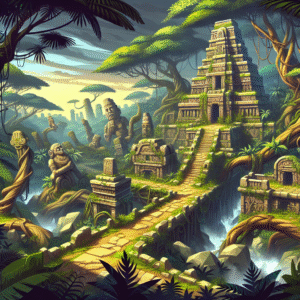
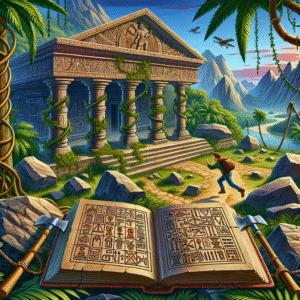
Furthermore, Uncharted 4 excels in environmental storytelling, a technique that leverages the game’s setting to convey narrative elements. Through detailed environments, players glean insights into the world’s history and the characters’ pasts. This is brilliantly illustrated in the intricate ruins and lush landscapes that players explore. Each environment is meticulously designed not just as a backdrop for action but as an active participant in the storytelling process. Artifacts and clues scattered throughout these environments further enrich the narrative, encouraging players to delve deeper into the game’s lore.
Another noteworthy aspect of Uncharted 4’s narrative design is its dialogue system. The dialogue is not just a tool for exposition but a means of developing character and advancing the plot. The game incorporates dynamic conversations that evolve based on player choices, thereby enhancing the interactive experience. This interactivity ensures that players feel their decisions have tangible effects on the narrative, increasing their emotional investment in the storyline.
The storytelling in Uncharted 4 is also notable for its pacing and structure. Unlike many games that rely on non-stop action, Uncharted 4 balances intense action sequences with moments of quiet reflection and exploration. This ebb and flow mirror the rhythm of a well-crafted novel or movie, allowing players to absorb story intricacies during calmer periods and heightening the impact of action sequences when they occur.
Narrative tension in Uncharted 4 is expertly maintained through the use of suspense and foreshadowing. The game introduces mysteries and plot twists in a manner that consistently keeps players on edge. Foreshadowing techniques, such as hinted dialogue or subtle environmental cues, are skillfully employed to build anticipation for future events without revealing too much. This respect for the player’s intelligence enhances the narrative experience by allowing them to piece together story elements autonomously.
The integration of advanced technology has also contributed to the narrative success of Uncharted 4. The game utilizes motion capture technology to create lifelike character animations that express nuanced emotions, bridging the gap between player and character. This technology allows for a level of storytelling detail previously unachievable in video games. Players can read subtle emotional cues, reinforcing empathy for the characters and deepening the narrative connection.
Technological innovation extends to the game’s physics engine and graphical fidelity, both of which play critical roles in narrative immersion. The realistic physics engine enhances the believability of the world, enabling players to interact with their environment in complex, organic ways. Graphical fidelity ensures that the game’s visual narrative—its environments, expressions, and actions—can be conveyed with a meticulous level of detail. This precision supports the overall narrative by maintaining player immersion in a visually and emotionally coherent universe.
Uncharted 4 further stakes its claim in narrative prowess through its adept use of music and sound design. The game’s soundtrack, composed by Henry Jackman, is tailored to complement the narrative flow, with themes that underscore key emotional beats and action sequences. The sound design, from the ambient noise of overgrown ruins to the sharp impact of a gunshot, serves to heighten the immersive quality of the narrative through auditory cues that reaffirm the stakes and atmosphere of each scene.
In addition to these narrative techniques, Uncharted 4’s contribution to narrative design is underscored by its thematic exploration. The game grapples with universal themes such as the conflict between adventure and domesticity, the question of what it means to lead an authentic life, and the costs of obsession. These themes are not just touched upon but are deeply embedded in the narrative, providing a layer of philosophical engagement that invites players to ponder these questions alongside the characters.
The role of dialogue in Uncharted 4 is particularly significant in exploring these themes. Character conversations delve into philosophical inquiries, challenging players to consider broader moral and existential questions. This design choice elevates the narrative beyond mere entertainment, transforming it into an interactive reflection on human experience.
Uncharted 4 also capitalizes on nostalgia, both within the game’s universe and for the players themselves. By revisiting locations and characters from previous installments in new and meaningful ways, the game weaves a complex tapestry that honors its legacy while forging new paths in storytelling. This interplay of past and present engages long-time fans and introduces new players to the series’ rich narrative history.
Collaborative storytelling is another remarkable aspect of Uncharted 4’s design. The game is a testament to the creative synergy between writers, designers, artists, and developers. This collective effort ensures that every element—from dialogue and music to gameplay mechanics and visual design—contributes to a unified narrative vision. Such collaboration highlights the multidimensional nature of narrative design in video games, demonstrating that storytelling is not constrained to one aspect but is a harmonious convergence of multiple creative channels.
Uncharted 4’s impact on narrative design extends beyond its accolades and commercial success; it acts as a beacon for narrative-driven video game development. It has inspired countless developers to prioritize storytelling and character development, influencing a myriad of subsequent titles in the action-adventure genre and beyond.
In summary, Uncharted 4: A Thief’s End’s legacy in narrative design is characterized by its comprehensive approach to storytelling through character development, environmental narrative, dialogue interactivity, thematic depth, and technical innovation. Its influence reverberates throughout the video game industry, challenging creators to harness the potential of narrative to craft experiences that are as emotionally resonant as they are entertaining. Through its masterful blend of storytelling techniques, Uncharted 4 not only advances the field of narrative design but also enriches the tapestry of video game history with its indelible mark.






Post Comment