The Creative Process Behind Uncharted 4: A Thief’s End

Development of “Uncharted 4: A Thief’s End,” the critically acclaimed action-adventure game, serves as a remarkable example of creative synergy, technological advancement, and storytelling prowess. Spearheaded by Naughty Dog and released in May 2016, the game represents the pinnacle of storytelling and gameplay integration, achieving new heights in the gaming industry. The creative process behind this project involved a multitude of elements, including advancements in technology, artistic direction, narrative development, and collaborative team dynamics.
The creative journey of “Uncharted 4” began with the narrative. Neil Druckmann and Bruce Straley, the leading forces behind “The Last of Us,” took over as co-directors, bringing with them a narrative-driven philosophy that would shape the game’s storytelling mechanics. A significant shift from its predecessors focused on Nathan Drake’s transformation and his challenging quest to balance his adventurous spirit with the need for a more stable, domestic life. The narrative intention was to delve into deeper themes of family, sacrifice, and self-discovery, setting a mature tone that resonated with a broader audience.
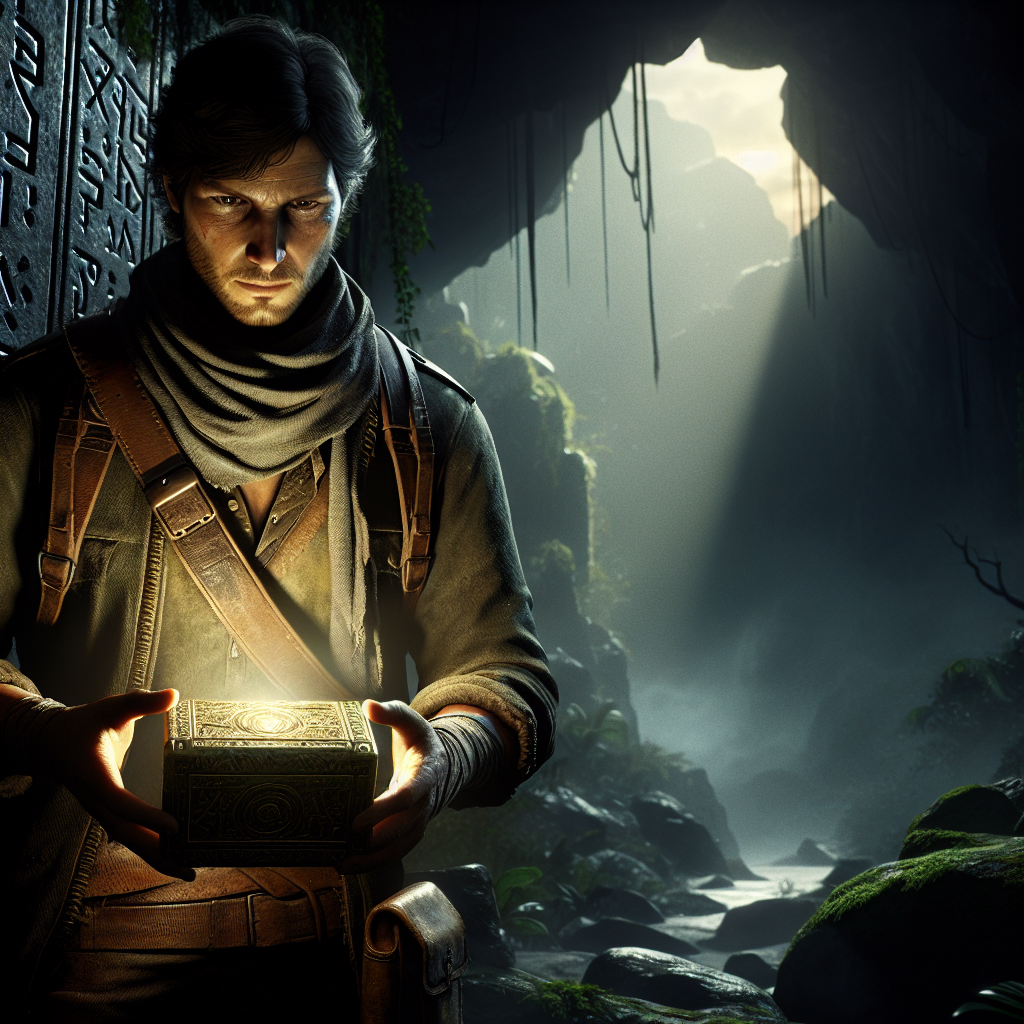
Character development was at the heart of the creative process. Voice actors, including Nolan North reprising his role as Nathan Drake and Troy Baker joining as Sam Drake, played a crucial role in conveying the emotional depth required by the script. Motion capture technology was employed extensively to capture nuanced performances, highlighting Naughty Dog’s commitment to authentic character portrayal. The actors’ ability to improvise enhanced the dialogue, adding layers of realism and complexity to the relationships portrayed in the game.
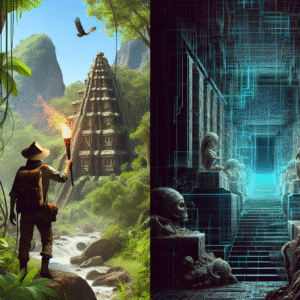
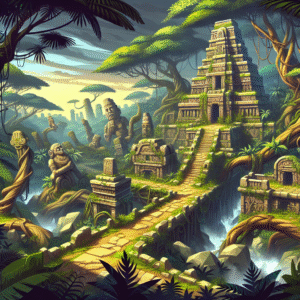
Equally pivotal in crafting the game was the visual and artistic direction, which sought to transport players into a cinematic experience mirroring blockbuster adventures. Art director Robh Ruppel led a team of artists to create visually stunning environments ranging from lush jungles to historic ruins. The use of dynamic lighting, detailed textures, and expansive landscapes contributed to an immersive world. The incorporation of real-world locations, such as the cliffs of Scotland and the urban architecture of Madagascar, added a layer of authenticity, enabling players to feel a part of the global treasure hunt.
Technologically, “Uncharted 4” marked a significant milestone due to the capabilities of the PlayStation 4. The hardware permitted enhanced graphics, smooth frame rates, and larger, more dynamic environments, allowing the development team to craft a highly detailed and reactive world. Real-time rendering advancements enabled seamless transitions between gameplay and cutscenes, giving players an uninterrupted cinematic experience. This technological prowess also facilitated complex AI systems, resulting in intelligent enemy behavior and challenging combat scenarios.
The gameplay mechanics were reimagined to balance exploration, puzzle-solving, and action in equal measure. The addition of the grappling hook expanded movement possibilities, introducing new dimensions of traversal and strategy. Players experienced an evolution in gameplay dynamics that encouraged curiosity and creativity, steering away from linear progressions to more open-ended explorations. The puzzles in “Uncharted 4” were intricately designed to integrate seamlessly into the narrative, providing not just challenges but also insights into the historical elements of the story.
Multiplayer aspects were also a focus, with the creative team introducing a feature-rich online mode that included cooperative and competitive experiences. The multiplayer development aimed at maintaining the spirit of the single-player experience, providing an equally immersive environment for players to engage with others globally. This aspect of the game highlighted the developers’ commitment to providing a multifaceted experience catering to diverse player preferences.
The sound design process was another critical component, with enhanced audio technologies delivering a captivating auditory experience. The sound team, led by audio director Phil Kovats, meticulously crafted soundscapes that offered atmospheric cueing and reinforced narrative tension. Additionally, an orchestral score composed by Henry Jackman added emotional weight, enhancing the high-stakes drama and adventurism of Nathan Drake’s journey. This comprehensive approach to sound design underscored the importance Naughty Dog placed on using audio as a storytelling tool.
Collaboration and teamwork were at the foundation of “Uncharted 4’s” development. Despite the initial leadership change, the unified vision shared by directors, designers, artists, and developers enabled the realization of ambitious creative goals. An iterative process was employed, with feedback loops encouraging continuous refinement and enhancement of the game’s various elements. This collaborative ethos extended beyond the studio, with partnerships forged with external vendors and consultants to ensure cultural accuracy and enrich the storytelling narrative.
The marketing strategy implemented for “Uncharted 4: A Thief’s End” was intricately linked to its creative development process. A multi-platform approach leveraging trailers, gameplay demos, and developer interviews was curated to align with the game’s storytelling themes. Pre-launch campaigns capitalized on the legacy of the “Uncharted” series, building anticipation through evocative teasers and artful storytelling that mirrored the game’s intricate narrative layers. This strategic marketing effort expanded across social media, gaming conventions, and streaming platforms, engaging a wide audience base and ensuring substantial pre-release momentum.
Player feedback played an integral role throughout the development cycle. Beta testing phases provided valuable insights into player experience, guiding adjustments and enhancements to gameplay mechanics and features. This adaptive approach, informed by community engagement, exemplified the value placed on player experience and satisfaction, fostering a loyal fan base.
Throughout its development, “Uncharted 4” also tackled challenges related to time constraints and the inevitable pressure of following in the footsteps of its successful predecessors. Balancing innovation with legacy, the creative team consistently focused on delivering an experience that was not only a technical marvel but also a narrative triumph. Embracing these challenges cultivated a sense of resilience and unity among the development team, underscoring the importance of perseverance in the creative process.
“What “Uncharted 4: A Thief’s End” ultimately achieved was the perfect amalgamation of technology, storyline, and gameplay, setting a gold standard in the action-adventure genre. The creative process behind its development stands as a testament to the power of storytelling, collaboration, and innovation, offering valuable insights and inspiration to game developers and storytellers alike.






Post Comment