Temple Run 2: A Look Back at Its History
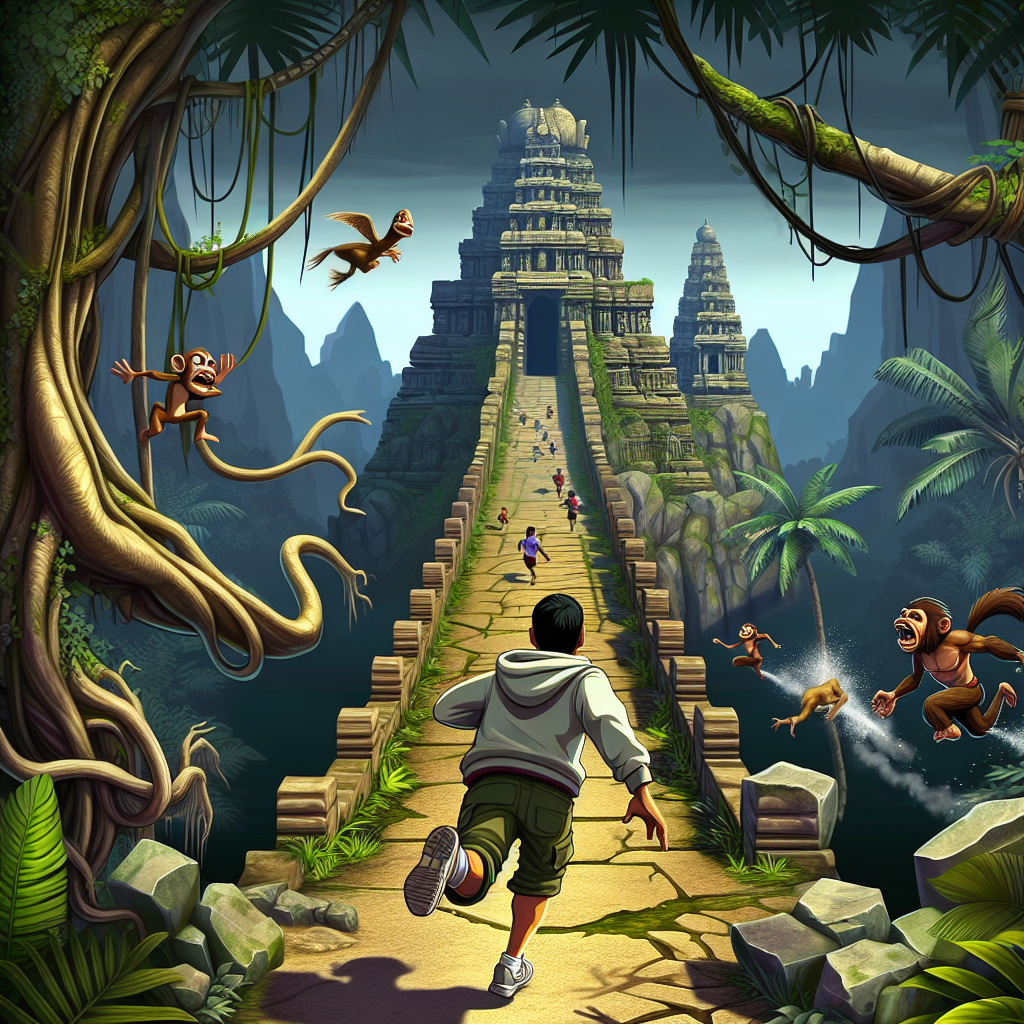
When Temple Run 2 burst onto the scene in January 2013, it became an instant sensation, capturing the imagination of mobile gamers worldwide. Developed by Imangi Studios, the sequel to the original Temple Run elevated the franchise to iconic status. To understand the impact and legacy of Temple Run 2, it’s essential to examine its history, gameplay innovations, design enhancements, and cultural influence.
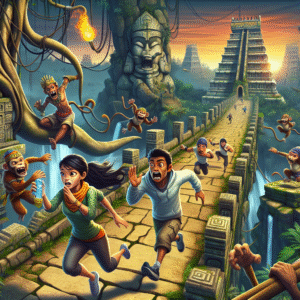
The success of the original Temple Run set the stage for its successor by establishing a solid foundation in the endless runner genre. Released in 2011 by husband-and-wife team Keith Shepherd and Natalia Luckyanova, the first Temple Run quickly gained a dedicated fan base, topping app store charts and introducing millions to the thrill of running from demonic monkeys. Its basic mechanics—swipe-to-turn, jump, and slide—along with collecting coins and power-ups, laid the groundwork for what was to follow.
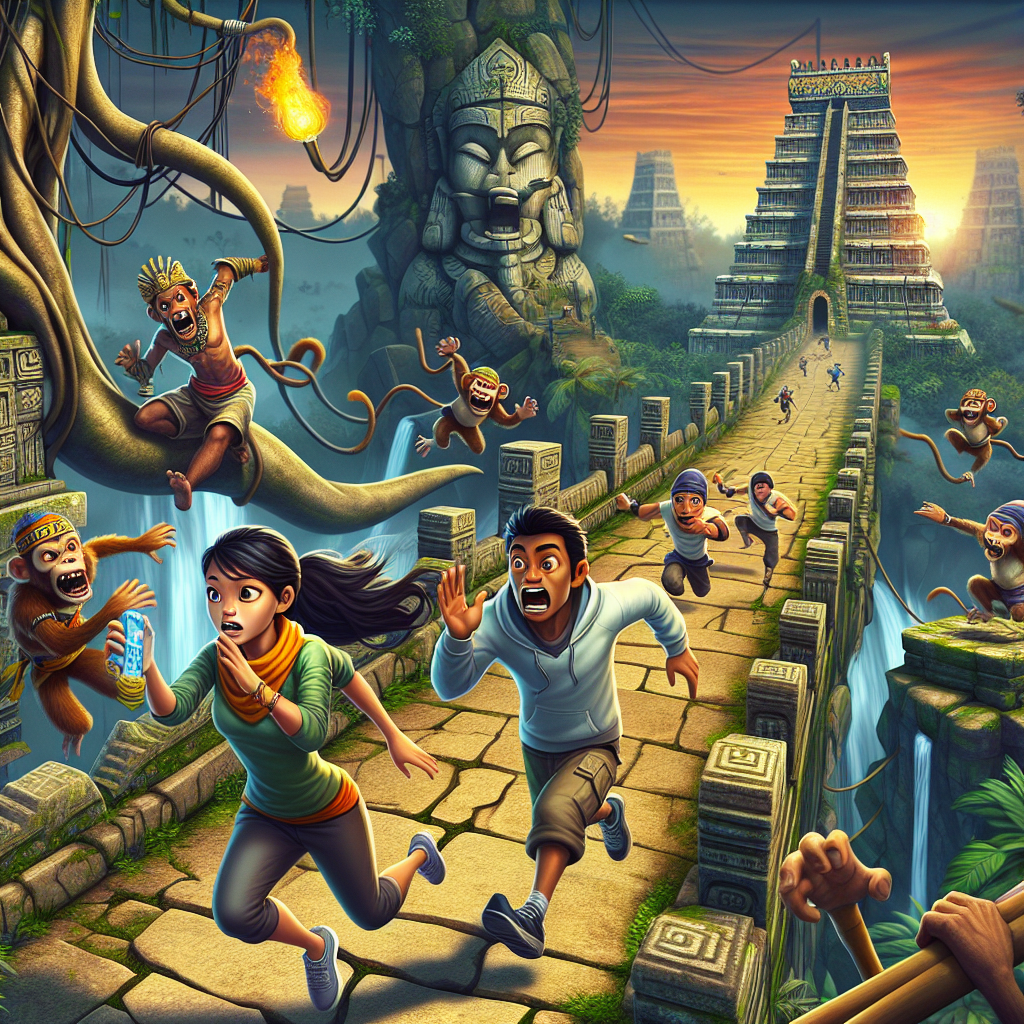
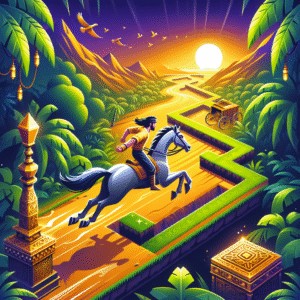
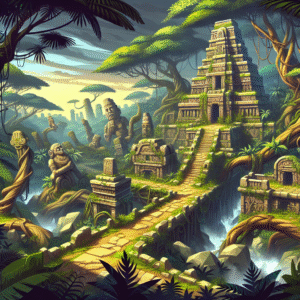
Temple Run 2 built upon this framework, providing players with a more sophisticated and visually stunning experience. The developers implemented substantial upgrades to both graphics and gameplay mechanics. Employing a new game engine, Temple Run 2 featured lush and immersive environments, replacing the monotonous ancient temple aesthetic with a vibrant mix of cliffs, mines, forests, and rivers. This variety not only kept the game fresh but also posed new challenges, requiring players to navigate tricky terrains like zip-lines and waterfalls, which added another level of complexity and excitement.
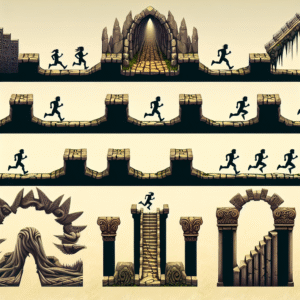
The introduction of new obstacles and power-ups was pivotal in maintaining player engagement. Gamers encountered spinning blades, mine tracks, and perilous drop-offs, which demanded sharper reflexes and attention. Power-ups like the shield and coin magnet were revamped and paired with new capabilities, providing a more strategic element as players timed their use to maximize scores. This balance of challenge and empowerment was crucial in driving continued interest and return gameplay.
The characters in Temple Run 2 also received a significant overhaul. While the classic adventurer, Guy Dangerous, made a return, the game introduced new characters such as Scarlett Fox, Barry Bones, and Karma Lee, each with unique abilities that could be upgraded over time. This personalization added a compelling layer to the game, as players could identify with their chosen character and invest in their development through the in-game currency system.
Monetization strategies in Temple Run 2 were handled with care to enhance the gaming experience rather than detracting from it. While in-app purchases were available, they were never obligatory for progressing in the game. Players could earn coins through consistent gameplay or opt to purchase them to accelerate unlocking abilities or characters. This approach ensured that players who preferred not to spend money could still enjoy the game fully, while those wanting a quicker path to upgrades had that option too.
Regular updates and the integration of social features also contributed to the game’s lasting success. Imangi Studios regularly refreshed the game’s environments, characters, and challenges, keeping the experience dynamic. Seasonal updates introduced thematic changes, such as Halloween-themed levels or winter wonderland backdrops, which kept players curious and engaged. Additionally, social media connectivity allowed players to share their high scores and compete with friends, adding a friendly competitive edge to the gameplay.
Temple Run 2’s influence extended beyond the game itself, impacting the larger gaming ecosystem. It inspired a generation of developers to explore the endless runner format, leading to a proliferation of similar games across app stores. Its success exemplified the potential of mobile gaming, pushing the industry towards higher quality standards and more complex storytelling within the casual game segment.
Cultural references and collaborations further cemented the game’s legendary status. Temple Run 2 partnered with various franchises over the years, integrating characters from popular films such as “Brave” and “Oz the Great and Powerful,” which broadened its appeal and introduced it to new audiences. These collaborations were more than mere novelty; they offered fresh environments and unique challenges that kept the gameplay engaging and diverse.
Furthermore, Temple Run 2 became a touchstone in discussions about gaming addiction and screen time, echoing the growing influence of mobile games on lifestyle and entertainment choices. Its addictive nature, characterized by “just one more run” syndrome, highlighted both the appeal and the potential pitfalls of mobile gaming. This phenomenon prompted discussions among parents, educators, and mental health professionals about creating balanced approaches to gaming.
Technical advancements were also a hallmark of Temple Run 2’s journey. Its updates consistently leveraged newer mobile technologies to enhance performance and graphics, ensuring that the game remained relevant as smartphone capabilities evolved. The transition to higher definition visuals and support for improved processors exemplified a commitment to maintaining cutting-edge standards.
The community that sprang up around Temple Run 2 is another testament to its impact. Forums, fan pages, and social media groups formed, where players shared tips, tricks, and high scores, building a vibrant ecosystem around the game. This community-driven promotion helped sustain its popularity years after its release, proving that a strong player base is as critical to a game’s longevity as its design and mechanics.
Temple Run 2’s history is a testament to its place as a cornerstone in mobile gaming. By enhancing the basic mechanics of its predecessor with richer graphics, intricate environments, new characters, and strategic depth, it not only captivated a broad audience but also set high standards for mobile game development. The title remains an enduring symbol of innovation and creativity in the digital entertainment industry, inspiring both players and developers alike.



Post Comment