A Look at the Iconic Rivalries in Dota 2
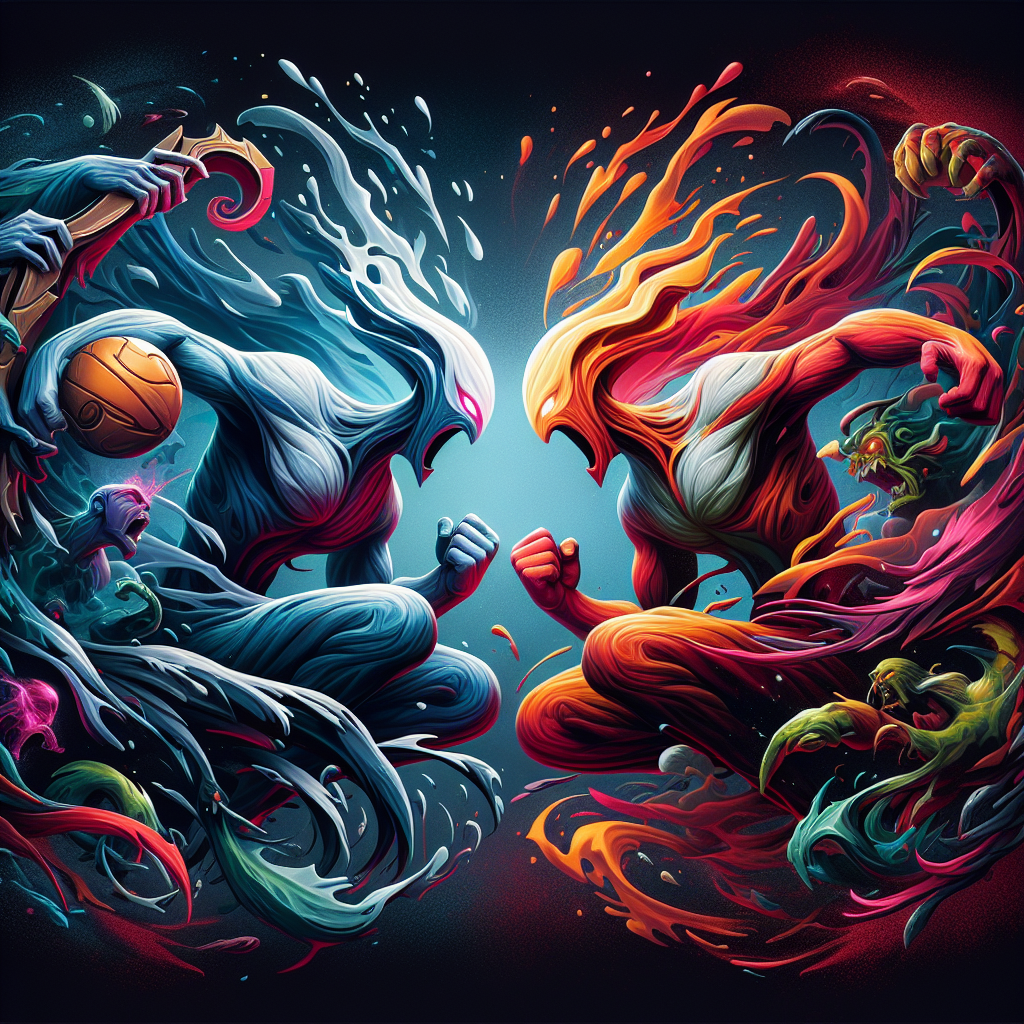
Evil Geniuses vs. Team Secret: A Battle of Titans
Evil Geniuses and Team Secret have been embroiled in one of the most compelling rivalries in Dota 2 history. Born out of the archetype of North American powerhouses facing European giants, this rivalry showcases not just a battle of regions, but a clash of ideologies. Evil Geniuses (EG), a team known for its aggressive playstyle and clutch performances, often faces off against Team Secret, whose strategies are hallmark examples of precision and tactical prowess.
This rivalry began in earnest at The International (TI) tournaments, the premier event in the Dota 2 competitive calendar. Their encounters are a staple of high-stakes finishes, often characterized by tense games and narrow outcomes. The rivalry was intensified by the frequent player transfers between the two teams, most notably Artour “Arteezy” Babaev, who switched allegiances multiple times, adding a layer of personal drama.
The crunch matches between EG and Team Secret have been highlights of various tournaments, from the ESL series to the Dota 2 Majors. Their games often draw substantial viewership, holding the audience captive with their strategic depth. Team Secret usually emphasizes map control and efficiency, leveraging players like Clement “Puppey” Ivanov to orchestrate meticulous game plans. On the other hand, EG’s penchant is for high-risk, high-reward scenarios, often resulting in breathtaking plays.
Na’Vi vs. Alliance: The Original Grudge Match
The rivalry between Natus Vincere (Na’Vi) and Alliance is rooted in the early days of Dota 2’s competitive scene and has remained emblematic of the game’s heritage. Originating from the finals of The International 3 in 2013, this match-up is legendary for producing what many consider to be the greatest Dota 2 game ever played. The Grand Finals pushed the limits of strategic innovation and mechanical skill.
Na’Vi, captained by Dota icons like Danil “Dendi” Ishutin, was known for its aggressive play and charismatic strategies. Alliance, led by Jonathan “Loda” Berg and Gustav “s4” Magnusson, responded with the signature “rat Dota” style, which focuses on split-pushing and systematic dismantling of enemy structures, redefining tactical execution in the game.
Over time, although both teams experienced fluctuating performances, the nostalgic weight of their encounters remains. Even today, match-ups between Na’Vi and Alliance captivate fans, harkening back to their storied TI3 battle. Each series, regardless of its importance, draws heightened attention as a homage to their historic games and a test for the teams to reclaim former glories.
OG vs. PSG.LGD: A Modern Saga
The recent saga of Dota 2 rivalries is incomplete without the mention of the intense bouts between OG and PSG.LGD. This rivalry achieved notoriety during The International 2018 and 2019, where both teams met multiple times, often determining the fate of the championship.
OG, led by the charismatic Johan “N0tail” Sundstein and Anathan “ana” Pham, is renowned for its adaptive strategies and mental fortitude. Their proclivity for keeping calm under pressure earned them two consecutive TI championships, a feat unmatched in Dota 2. On the opposing side, PSG.LGD, with its strong squad including Wang “Ame” Chunyu and Xu “fy” Linsen, was the epitome of Chinese Dota’s discipline and strategy.
The games between OG and PSG.LGD have been hailed for their unpredictability and fine margins. In particular, the grand finals of TI8, which concluded in a nail-biting best-of-five series, are often dissected by analysts and enthusiasts aiming to capture the essence of high-level Dota. The competitive spirit, combined with mutual respect between the teams, has made their rivalry a modern classic, enriching the narrative of what effective teamwork and relentless ambition can achieve.
Virtus.pro vs. Team Liquid: Eastern Force Meets Western Resilience
Virtus.pro and Team Liquid have provided fans with an enthralling East vs. West narrative. Virtus.pro, a juggernaut in the Eastern European scene, is known for its resilience and aggressive team fights. Key players such as Alexey “Solo” Berezin have been pivotal in crafting strategies embodying CIS strength and adaptability.
Conversely, Team Liquid, a powerhouse from the Western hemisphere, has continuously evolved its gameplay under the guidance of strategic minds like Kuro “KuroKy” Salehi Takhasomi. Liquid’s style often emphasizes broad hero pools and strategic drafting, qualities that have seen them adapt successfully to Virtus.pro’s aggressive maneuvers.
Their encounters have been characterized by high-octane matches filled with intense skirmishes where Virtus.pro’s fierce assaults meet Liquid’s deliberate counterplay. The rivalry is marked by its persistent tug-of-war in various major tournaments, including The International and several majors, where these teams have often met in critical knockout phases. This clash of styles—methodical precision against fervent aggression—offers one of the most watchable rivalries in Dota 2 today.
Fnatic vs. TNC Predator: Southeast Asia’s Heavyweights
Down in Southeast Asia, Fnatic and TNC Predator have carved out their niche rivalry, brewing intense competition characterized by regional pride. These two teams, continually vying for dominance in the SEA region, have undergone numerous roster changes, keeping the rivalry fresh and dynamic.
Fnatic’s history in Dota 2 has been one of evolving strategy, combining international influences with local talent. With stars like Daryl “iceiceice” Koh and Kam “Moon” Boon Seng, the team often opts for unique drafts and individual brilliance. In juxtaposition, TNC Predator’s strategic intelligences, led by figures like team captain Carlo “Kuku” Palad, have always been about maximizing teamwork and executing precise plays.
Matches between Fnatic and TNC are treatises on regional play styles, reflecting broader strategic trends within SEA’s Dota 2 scene. Each clash is an exhibition of SEA’s signature aggression and innovative drafts, which captivate audiences and demonstrate the region’s competitive capabilities on the world stage. This ongoing rivalry signifies not only a battle for supremacy in Southeast Asia but also offers insights into the emerging trends within one of Dota 2’s vibrant scenes.
Vici Gaming vs. Invictus Gaming: The Clash of Chinese Titans
Vici Gaming and Invictus Gaming (IG) represent the apex of competition in China’s prolific Dota 2 scene. Their rivalry is a microcosm of evolving strategies and an overarching quest for national dominance.
Vici Gaming’s approach is systematic and disciplined. Legendary players such as Xu “BurNIng” Zhilei have historically helmed the team, crafting methodical gameplays focused on objectives. On the flip side, Invictus Gaming, champions of The International 2012, are celebrated for their explosive and unpredictable playstyle, led by stalwarts such as Wang “Super” Peng and Zhou “Zhou” Yao.
When these teams meet, it often leads to a chess match within the game, where strategic drafts and subtle in-game maneuvers determine outcomes. Moreover, their matches are predictably edge-of-the-seat affairs that invite tactical breakdowns and widespread fan discussion, appreciating high-level play. As both teams continue to retool and adapt, this rivalry not only propels the competitive scene in China but also elevates the global Dota 2 discourse.
These rivalries encompass not just thrilling in-game showdowns but also narratives of regional pride, individual brilliance, and strategic diversity. Each series between these iconic teams enriches the story of Dota 2, continuously expanding the boundaries of what is possible within this intricate esport. With each passing tournament and emerging rivalry, Dota 2 reaffirms its position as one of the most dynamic and engaging esports landscapes in the world.








Post Comment