Temple Run 2 vs. Original: What’s New?
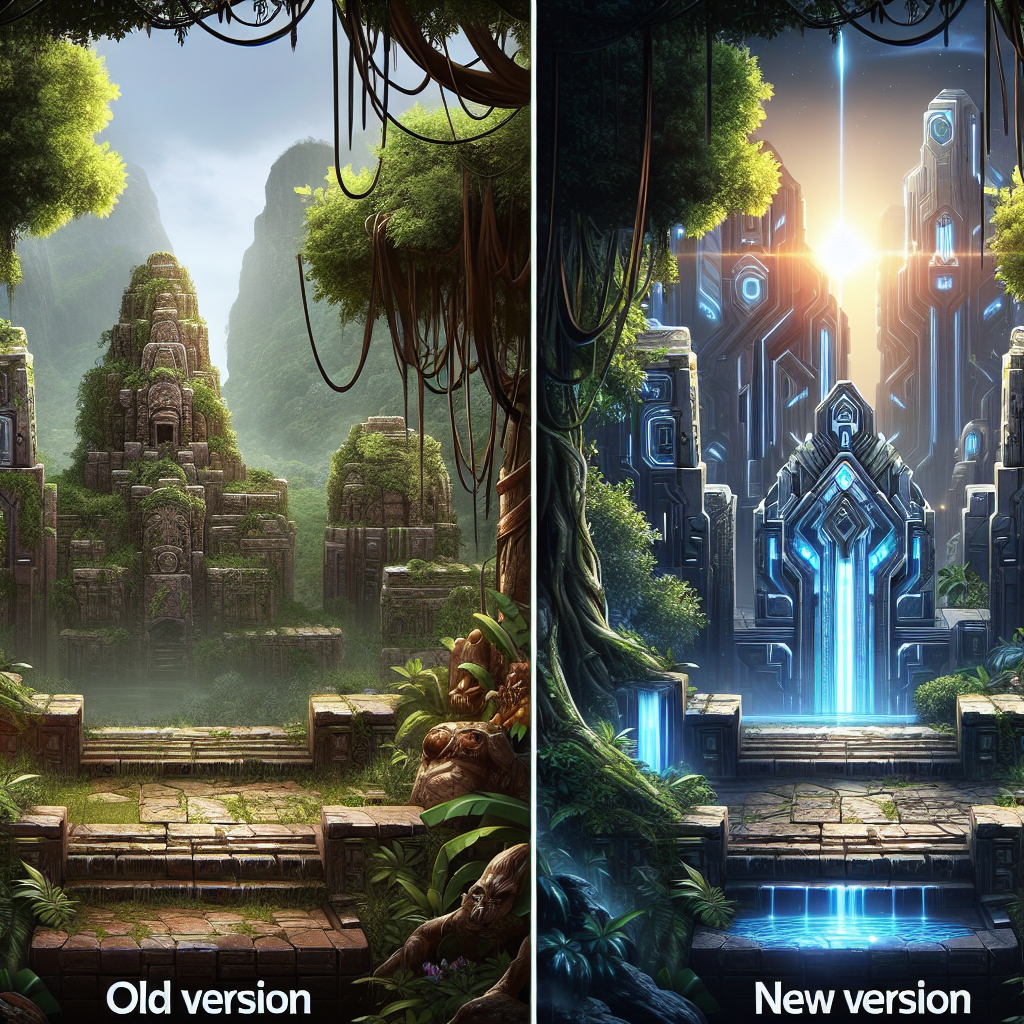
Graphics and Visuals
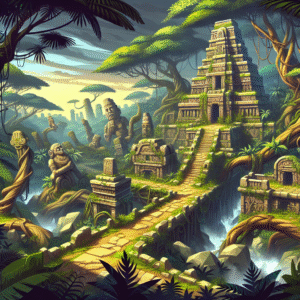
The transition from Temple Run to Temple Run 2 brought substantial improvements in graphics and visuals, making the gaming experience more immersive and captivating. In the original Temple Run, the graphics were groundbreaking for the mobile platform at its time of release, featuring a lush jungle setting, vivid colors, and a distinctive art style that captivated the players. The simplicity in visuals matched the straightforward nature of the game, but as technology evolved, so did the expectations for more detailed graphics.
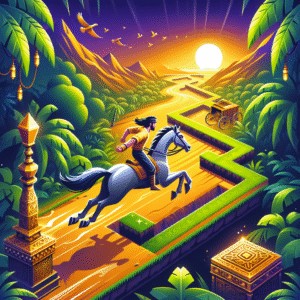
Temple Run 2 took a leap forward in the visual department, incorporating more intricate graphics that significantly enhanced the game’s appeal. The graphics are not just more detailed; they are meticulously designed to create a more dynamic environment. Players are introduced to environments that feel more alive, with waterfalls, forests, mines, and even zip-lines adding to the thrill of the chase. The introduction of varied settings within the game also allows players to experience different realms, which keeps the experience fresh and engaging. The animations in Temple Run 2 are smoother and more realistic, providing a seamless transition between different movements, such as jumping, sliding, and making sharp turns.
Gameplay Enhancements
The core mechanics of Temple Run 2 remain true to the original, maintaining the endless runner format that requires quick reflexes and strategic decision-making to evade obstacles and collect coins. However, the sequel introduces several gameplay enhancements that elevate the overall experience. One of the notable changes is the inclusion of varied terrain and additional obstacles, such as waterfalls and mine tracks. The original Temple Run primarily featured a jungle path with turns and jumps but the sequel adds layers of complexity with these new elements.
Temple Run 2 introduces power-ups and special abilities, offering players more strategies to prolong their run and increase scores. Each character in Temple Run 2 comes with unique abilities that can be activated during the game. This feature adds a layer of strategy, as players must choose characters that complement their gameplay style. Additionally, the game features a more complex upgrade system for power-ups, where players can invest coins collected during runs to enhance abilities, adding depth to character progression.
Character Diversity and Development
Character selection and development have seen a considerable upgrade in Temple Run 2. The original game offered a limited selection of characters, each with no distinct advantages or abilities. In contrast, Temple Run 2 provides a roster of characters that each come with unique abilities and perks, enriching the gameplay experience. This diversity makes every run feel different depending on the chosen character and their specific skill set.
Players can unlock characters by collecting in-game currency or through in-app purchases, allowing them to explore varied gameplay styles and strategies. Beyond just purchasing characters, Temple Run 2 also allows players to invest in character upgrades, providing an avenue for further customization and personalized gameplay. These upgrades can be applied to enhance skills such as faster movement or prolonged power-ups, adding another level of engagement as players can tailor their experience to their preferences and play styles.
Dynamic Environments and Level Design
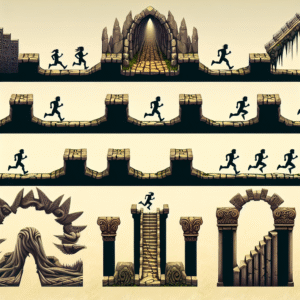
One of the standout features of Temple Run 2 is its dynamic environments compared to the static jungle pathway found in the original game. The level design in Temple Run 2 is rich with fluctuations in the environment, adding a new dimension to the gameplay. Players will run through floating islands, mine tracks, and forests, each offering its own unique set of challenges and obstacles. These varied environments not only test the players’ reflexes and strategy but also provide a refreshing change of scenery that keeps them engaged.
The game also incorporates dynamic obstacles that change position and form as the game progresses. This keeps even seasoned players on their toes, as the environments present surprises that are challenging and exciting. The inclusion of these elements encourages players to remain vigilant and adaptive, as each run offers new challenges. This aspect of Temple Run 2 significantly enhances replayability, as players are always encountering something new and unexpected.
Sound and Music
Sound design has always been a crucial component of video games, and Temple Run’s use of sound and music in the second installment takes the gaming experience to another level. The original Temple Run featured a relatively straightforward soundtrack that was effective in creating an intense gaming atmosphere. However, Temple Run 2 has expanded upon this foundation with a richer and more varied soundscape that complements the visually enriched environments.
Each environment within Temple Run 2 comes with its own themed sound effects and music, which immerse the player further into the game’s world. The sounds of rushing waterfalls or the rickety sound of mine carts contribute to the atmosphere, heightening the sense of adventure. Furthermore, the audio cues are strategically placed to alert players of upcoming obstacles, adding another layer of depth to the sound design. This merging of sound with environmental interaction keeps players engaged and attuned to the game’s demands.
Monetization and In-App Purchases
With the increase in complexity and features, Temple Run 2 has also expanded its approach to monetization. While the original game was straightforward with its coin-based upgrades and purchases, Temple Run 2 offers more in terms of in-app purchases. Players now have the option to purchase additional gems, which can be used to continue runs after failing, modify characters, or acquire various power-ups. This adds a mechanism for players who wish to progress faster or explore more of the game’s offerings without investing time to collect in-game currency.
Although some players may find the in-app purchase options necessary to enhance their experience, others may view them as secondary. Temple Run 2 maintains a balance by ensuring that all the content is accessible through gameplay without purchasing if the player is dedicated enough. However, for those willing to invest, the game provides several avenues to enhance gameplay actively, showing that the creators are looking to cater to both casual and hardcore players.
User Interface and Controls
Temple Run set a high standard with a user interface (UI) that was both functional and aesthetically pleasing, offering intuitive controls that addictive mobile gameplay is known for. Temple Run 2 takes this foundation and builds upon it, streamlining the UI for easier navigation while enhancing it visually to be in line with the game’s graphics upgrade. The improvements in UI allow players easy access to character customization, upgrades, and game statistics.
The controls in Temple Run 2 maintain the simple swipe and tilt mechanics that made the original game accessible to players of all ages. The swiping mechanism is fluid and responsive, ensuring that players can react in real-time to the dynamic environments and obstacles. The sequel also provides tutorial hints and subtle signals to guide new players, ensuring they can pick up and enjoy the game without a steep learning curve.
Social Integration and Online Features
While the original Temple Run provided basic support for sharing scores on social media, Temple Run 2 takes social integration further. The sequel includes enhanced social features, such as linking games to social media profiles for competitive leaderboards, achievements, and friend challenges. These features encourage friendly competition and increase engagement, as players strive to outperform their social circles and climb the leaderboard.
Temple Run 2 also introduces regular content updates and event-based challenges. These online features keep the game fresh and players engaged, introducing new characters, environments, and power-ups periodically. By fostering a community feel around the game, with global challenges or special events, Temple Run 2 leverages its social integration to ensure an enduring appeal.
Future of the Temple Run Franchise
Given the substantial improvements from the original game to Temple Run 2, the possibilities for future expansions and sequels remain extensive. The successful enhancement of graphics, gameplay, and social integration in Temple Run 2 exemplifies the growth potential within the endless runner genre. With ongoing advancements in mobile technology, potential future releases could further blur the lines between mobile and console gaming experiences.
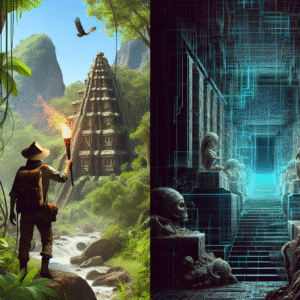
As the Temple Run franchise continues to evolve, developers may explore emerging trends such as augmented reality (AR) to add a new layer of interaction. They might also look into artificial intelligence (AI) to create more adaptive and challenging gameplay experiences or explore cross-platform gaming to include console and PC users. The continued enthusiasm for Temple Run, evidenced by its strong user base and active community, indicates a bright future for the series as it continues to innovate and captivate new generations of players worldwide.




Post Comment