Behind the Scenes of Uncharted 4: A Thief’s End
The Vision and Development of Uncharted 4: A Thief’s End
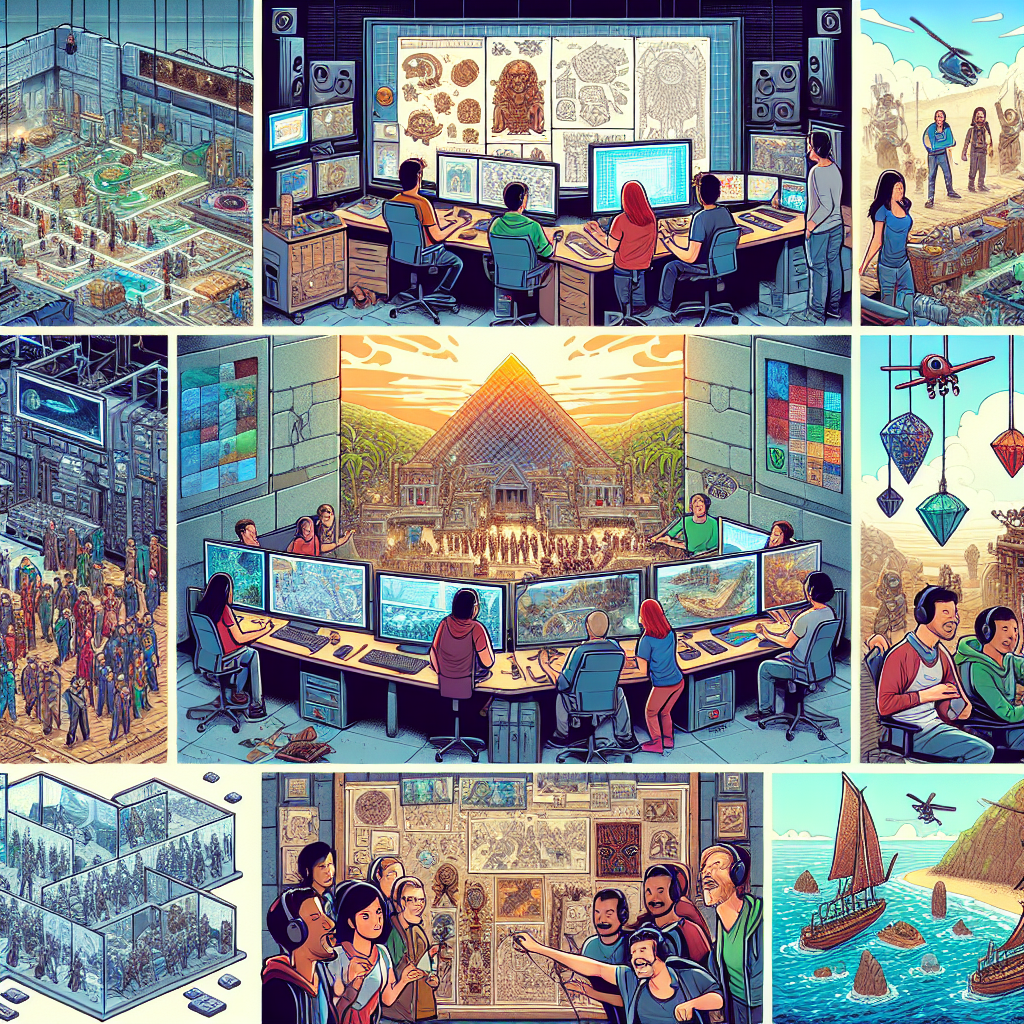
The journey behind Uncharted 4: A Thief’s End is a fascinating tale of creativity, challenges, and technological advances. As the fourth installment in the iconic Uncharted series by Naughty Dog, the game was anticipated to push boundaries in storytelling and gameplay. With a team ready to take risks, Uncharted 4 was to become a remarkable leap in the adventure-action genre.
Creative Leadership Changes
Initially, the game was under the visionary leadership of Amy Hennig, the series’ original creative director. However, a dramatic shift occurred when she departed from Naughty Dog in early 2014. The studio then appointed Neil Druckmann and Bruce Straley, known for their success with The Last of Us, to lead the project. This change in leadership brought a fresh perspective and new creative energy, ultimately influencing the narrative and tone of the game.
Revamping Narrative Strategies
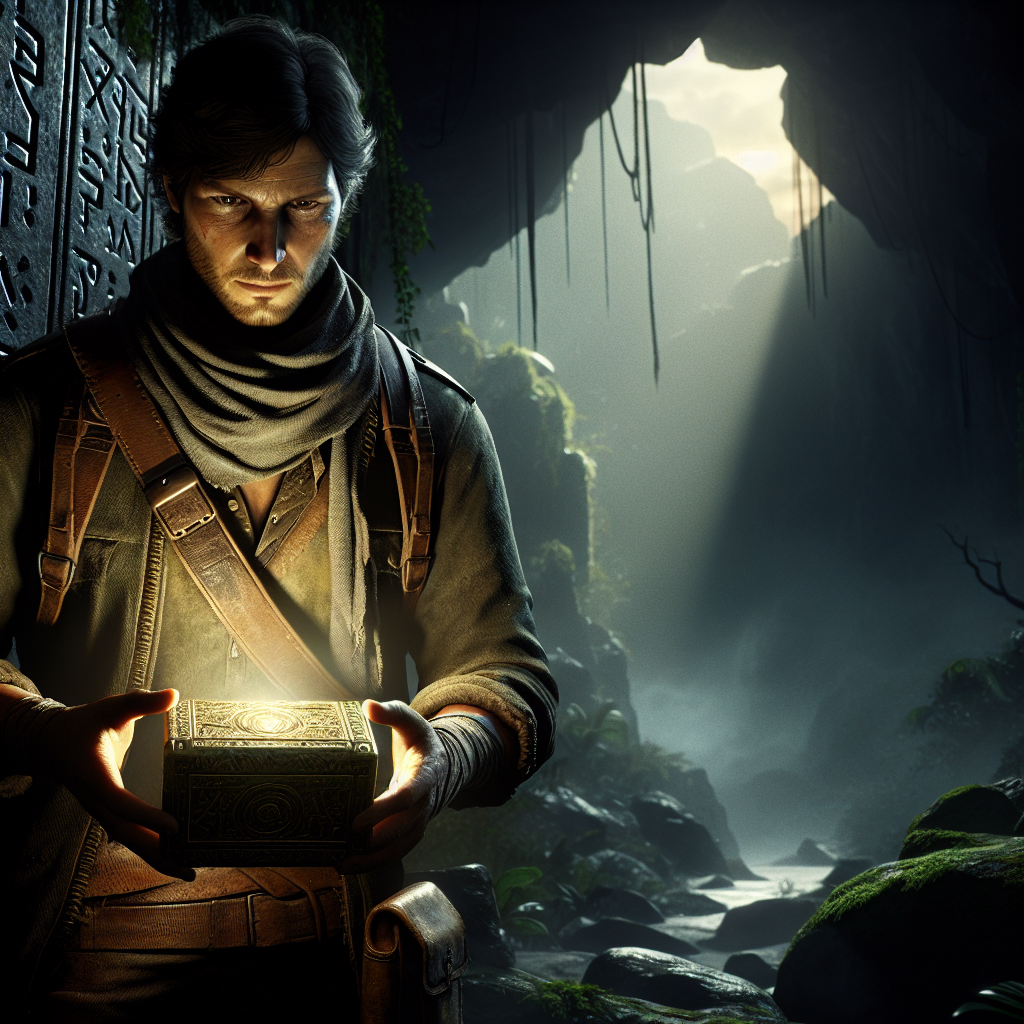
Druckmann and Straley opted to deepen the characterization of Nathan Drake, the charismatic protagonist. Uncharted 4: A Thief’s End explores Drake’s internal struggles and his relationships, particularly with his long-lost brother Sam, portrayed by Troy Baker. By weaving a more personal narrative, the team intended to create a mature and emotional experience, distinguishing it from prior installments. This emphasis on character development and narrative depth became a cornerstone of the game.
Technological Innovations and Challenges
To realize their creative vision, Naughty Dog had to leverage cutting-edge technology. The game was developed for PlayStation 4, allowing for more sophisticated graphics and expansive environments. The team took full advantage of the PS4’s capabilities, creating stunningly detailed landscapes and lifelike character animations that set a new standard in the industry.
One of the remarkable technological feats was the enhanced motion capture process. Naughty Dog utilized over 60 actors and multiple studios to capture realistic performances. This provided the characters with nuanced expressions and movements, lending authenticity to both dramatic and action-packed scenes. The seamless integration of animation and gameplay was a significant achievement that did not come without its challenges, necessitating iterations and problem-solving as new obstacles emerged.
Design and Gameplay Innovations
The gameplay design of Uncharted 4 focused on player freedom and fluidity. The introduction of a grappling hook allowed players to traverse environments with greater ease, offering a dynamic way to navigate and interact with the world. This tool added verticality to the game design, encouraging creative approaches to combat and exploration.
Level design was also pivotal in emphasizing the sense of adventure. Naughty Dog implemented larger, more open environments, moving away from linear pathways and offering multiple strategies for overcoming challenges. This open level structure, combined with intricate AI systems, enabled players to experience unique encounters and encouraged replayability.
Constructing Immersive Environments
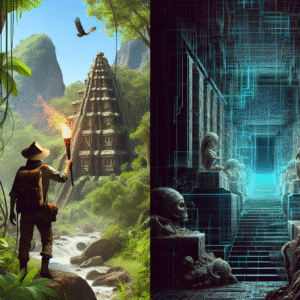
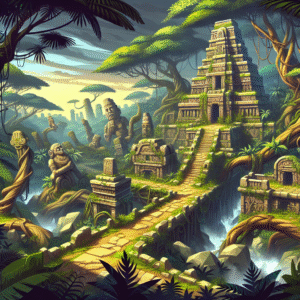
The detailed environments in Uncharted 4 speak volumes about the game’s dedication to immersion and realism. From lush jungles to sprawling urban landscapes, each setting was crafted with care and attention to detail. The art and design teams used photorealistic textures and carefully crafted lighting to bring the game’s world to life, making exploration both visually stunning and immersive.
To ensure authenticity, the development team engaged in extensive research and field trips. They traveled to various locations to study architecture, geography, and cultural nuances that would inform the game’s settings. This on-ground research paid dividends, enriching the game’s aesthetic and offering players environments that felt both convincing and captivating.
Enhanced Storytelling through Detailed Audio Design
Audio design in Uncharted 4 was as critical as its visual elements. Composer Henry Jackman crafted a dynamic, emotional score that elevated the game’s narrative depth and pacing. The sound design team worked meticulously to create an auditory landscape that matched the game’s richly detailed visuals. From the subtle rustle of leaves to the intense crescendos during action sequences, every sound was carefully chosen to enhance the gameplay experience.
Voice acting was another area where Naughty Dog excelled. The performances of Nolan North as Nathan Drake and Emily Rose as Elena Fisher delivered emotional resonance, further immersing players into the storyline. The chemistry between the voice actors was evident, leading to authentic and engaging character interactions.
Iterative Testing and Feedback Integration
Behind the polished final product was a rigorous process of testing and feedback. Naughty Dog conducted playtesting sessions throughout development, gathering insights into player experiences and expectations. This player-centric approach allowed the team to make necessary adjustments, refine mechanics, and improve narrative pacing. Such an iterative cycle was essential in ensuring that Uncharted 4 delivered a cohesive and enjoyable experience upon release.
Marketing Strategies and Community Engagement
Marketing played a significant role in the success of Uncharted 4. Naughty Dog and Sony collaborated on a comprehensive marketing campaign that included trailers, gameplay demos, and behind-the-scenes content. Engaging with the fan community was also pivotal — the developers were active on online forums and social media, fostering connections and gathering feedback directly from their audience. This engagement not only built anticipation but also reinforced the trust and loyalty of the Uncharted fanbase.
Cultural Impact and Critical Acclaim
Upon its release, Uncharted 4: A Thief’s End received widespread acclaim, praised for its storytelling, visuals, and gameplay. Critics lauded it as a benchmark in game design and narrative excellence, cementing its status as a masterpiece in the gaming world. It was awarded numerous Game of the Year awards and nominations, reflecting its impact on both the industry and players alike.
Posts and reviews about its cutting-edge graphics and immersive storytelling became popular online, contributing to sustained interest and high SEO visibility for discussions about the game. The success of Uncharted 4 solidified Naughty Dog’s reputation as a leading game developer and set a high bar for future projects in storytelling and technical achievement.
The Legacy of Uncharted 4: A Thief’s End
The process behind Uncharted 4 reveals a fascinating blend of creative vision, technical prowess, and dedication to craft. By exploring deeper narrative themes, pushing technological limits, and prioritizing player experience, Naughty Dog delivered a game that stands as both a triumphant conclusion to Nathan Drake’s story and a landmark achievement in gaming. The attention to detail and commitment to quality evident in Uncharted 4 continue to influence game development and inspire creators across the globe.






Post Comment