The Psychology of Gaming: Why League of Legends Captivates Millions
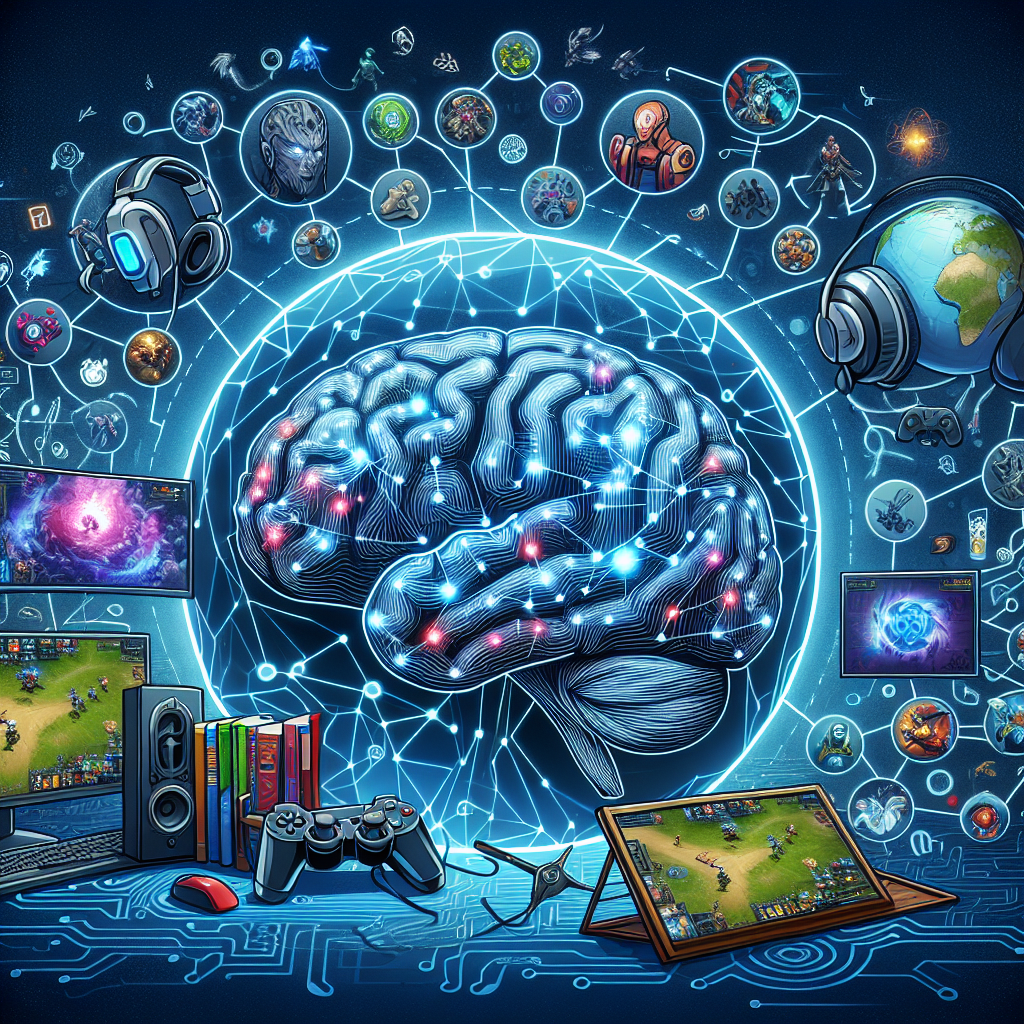
The Rise of Competitive Gaming and League of Legends
In recent years, the world of competitive video gaming has seen exponential growth, with League of Legends (LoL) at the forefront of this movement. Launched in 2009 by Riot Games, League of Legends has captivated millions of players worldwide, evolving into a staple of esports. Understanding the psychology behind its appeal requires a deep dive into the game’s design, social dynamics, and cultural impact.
Game Design and Player Engagement
League of Legends’ design is intricately linked to human psychology, utilizing a reward-based system that taps into intrinsic and extrinsic motivators. The game’s structure as a multiplayer online battle arena (MOBA) provides both challenge and excitement. Each match, lasting an average of 30-40 minutes, affords players strategic depth and immediacy, unlike traditional sports which may last hours.
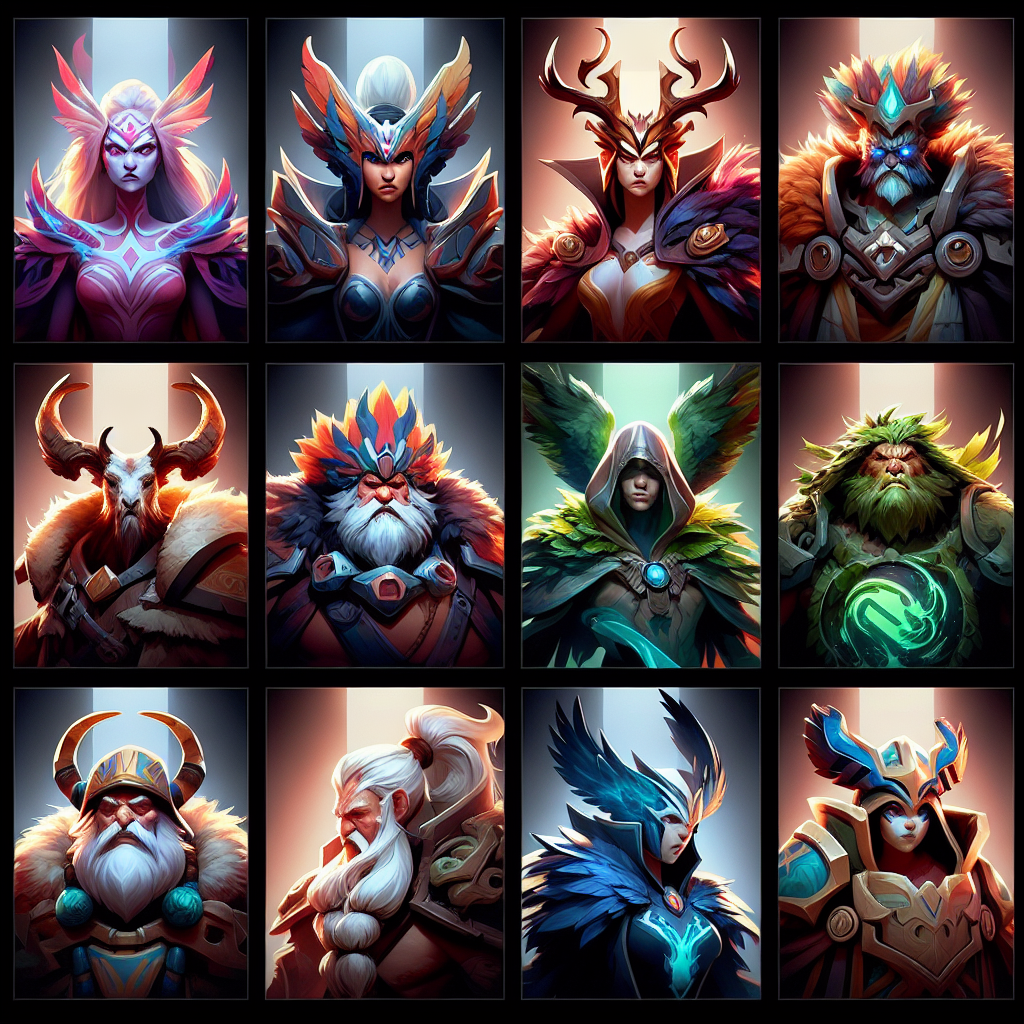
The game features over 140 champions, each with unique abilities, ensuring no two matches are ever the same. This variety keeps players engaged, stimulating the brain’s novelty-seeking circuitry. Additionally, the sense of progression—from leveling up champions to acquiring new skins—feeds into a desire for achievement, an intrinsic motivation that enhances long-term engagement.
The Role of Dopamine in Gaming Satisfaction
At the core of its addictive nature is the dopamine-driven reward system. When players achieve a game objective, whether it’s a victory in a match or a well-executed champion combo, their brains release dopamine—the “feel-good” neurotransmitter. This chemical reward reinforces behaviors, motivating players to repeat actions that yield positive outcomes. Short-term goals, such as completing a daily quest, and long-term goals, like reaching a higher competitive tier, are carefully calibrated to keep dopamine flowing, maintaining player interest over time.
Social Connectivity and Community Building
League of Legends isn’t just a game; it’s a social platform. The need for teamwork and collaboration in matches fosters a sense of community. Players often form or join teams, leading to the development of friendships and the establishment of social identities.
The in-game chat functions and third-party communication tools like Discord further enhance social connectivity. Whether strategizing during a match or simply engaging in banter, these social interactions are essential for many players. They provide a sense of belonging and community, critical components that fulfill Maslow’s hierarchy of needs concerning love and belonging.
Furthermore, the thriving online communities on platforms like Reddit and forums dedicated to League of Legends allow for the exchange of ideas and strategies, creating a culture of camaraderie and competition.
The Esports Phenomenon and Spectatorship
Beyond personal play, League of Legends has had substantial success in promoting esports as a legitimate spectator sport. The annual World Championship draws millions of viewers, showcasing the game’s highest skill levels. This spectatorial component is anchored in both admiration and aspiration—players watch to learn, to be entertained, and to emulate their favorite esports athletes.
Research indicates that spectating esports activates areas of the brain associated with understanding and recognition, similar to watching traditional sports. Fans may experience emotional highs and lows akin to those of the players themselves, fostering a deep connection with the game.
Psychological Strategies in League Play
Understanding the psychology behind strategic gameplay is essential. Players must possess cognitive flexibility and the ability to adapt strategies in real time. Successful players have a high degree of emotional regulation, managing stress and maintaining focus in high-pressure situations.
Theories such as the “Flow” state, introduced by psychologist Mihaly Csikszentmihalyi, describe a mental state achieved when a player is fully immersed and engaged in activities, balancing challenge and skill. League of Legends players often enter this state during matches when their capabilities match the task challenges, leading to optimal performance and enjoyment.
The Impact of League on Player Behavior
Continuous exposure to competitive gaming can influence players’ real-life behaviors. The skills honed, like teamwork, strategic thinking, and problem-solving, can extend to real-world applications. However, it’s also vital to consider the potential negative impacts on players’ mental health, such as stress and toxic behavior, often exacerbated by the game’s competitive nature.
Riot Games actively works to mitigate these negative outcomes, implementing systems to monitor toxic behavior and promote positive player interactions. Cooperative missions and community events aim to reduce hostility and enhance the overall gaming environment.
Cultural Influence and Identity Formation
League of Legends has permeated popular culture, influencing everything from fashion to music. Collaborations with artists and the creation of virtual bands, such as K/DA, demonstrate the game’s ability to transcend its medium, becoming a cultural phenomenon.
Moreover, players often integrate aspects of the game into their personal identities. The adoption of gaming nicknames, participation in fan art creation, or cosplay at conventions highlights how deeply players associate with the League of Legends universe.
The Future of Gaming Psychology
As League of Legends continues to evolve, so too does the understanding of gaming psychology. Ongoing studies examine the long-term impacts of gaming on cognitive development, the potential for educational applications, and the benefits of using gaming methodologies in other areas, such as business and therapy.
The constant advancements in AI and machine learning also promise a future where games like League can offer even more personalized experiences, further enhancing player engagement through customized difficulty levels and adaptive storytelling.
In-Game Economic Factors and Player Motivation
Another compelling aspect of League of Legends’ success is its in-game economy and the psychological basis behind microtransactions. The model of offering the base game for free while charging for aesthetic enhancements like skins, emotes, and other non-essential upgrades taps into the human desire for personalization and distinction.
Skins are a particularly potent motivator as they allow players to express individuality and status. Limited edition or rank-specific skins enhance this effect by creating exclusivity, making them highly desirable. The sunk-cost fallacy, where players justify the expenditure by investing more time in the game due to previous purchases, can also maintain long-term player engagement.
Conclusion
While there is no doubt that the allure of League of Legends is multifaceted, its psychological underpinnings play a critical role in its ability to engage and captivate millions of players globally. From the pleasure derived from achievement to the social bonds fostered through teamwork, the game is a rich tapestry woven with complex psychological threads. These insights into gaming psychology not only illuminate why League of Legends holds such appeal but also offer a glimpse into the future of interactive entertainment.



Post Comment