Behind the Scenes: The Making of a League of Legends Champion
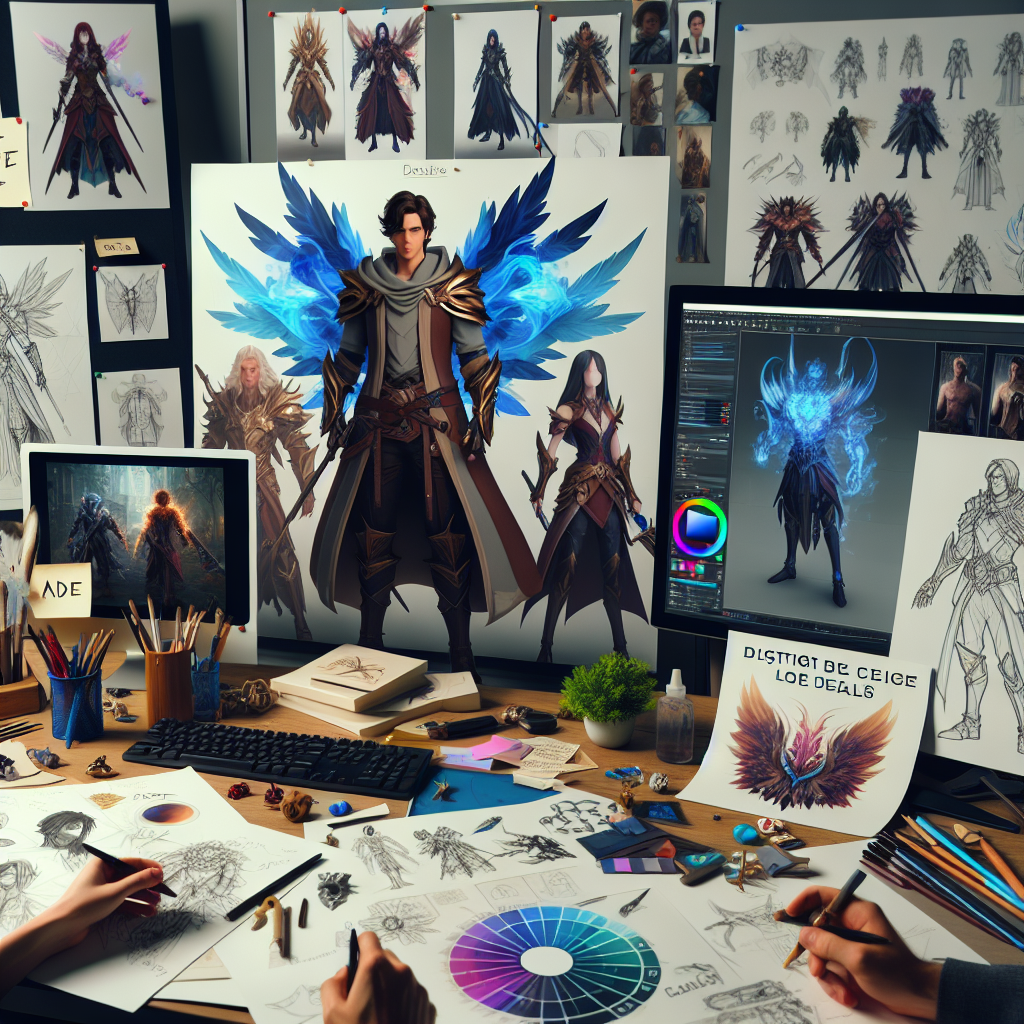
The process of creating a League of Legends champion is an intricate dance of creativity, technology, and collaboration, where game developers, designers, and artists come together to birth a new contender into the iconic arena. Riot Games, the mastermind behind League of Legends, has perfected this process over the years, resulting in a dynamic roster that keeps players coming back for more. Here’s a look behind the scenes at how these beloved champions are crafted.
Champion Conceptualization and Ideation
The journey of a League of Legends champion begins with an idea—a spark that ignites the creative process. The concept can originate from various sources, whether it’s a gap in the game’s roster, a new mechanic the development team wants to explore, or inspiration drawn from mythology, history, or player suggestions. During this phase, developers brainstorm on the thematic and narrative aspects, ensuring the new champion will bring something unique to the existing lineup.
Teams brainstorm and conceptualize the initial idea by creating a narrative and backstory for the champion. It’s crucial that the champion’s identity aligns with the League’s universe while offering fresh dynamics. This stage involves a lot of back-and-forth discussions to develop a strong skeleton—a blend of lore, personality, and visual ethos.
Gameplay Design and Mechanics
Once the basic concept is nailed down, the gameplay designers delve into the mechanics that will define the champion’s abilities. Each new champion must bring something innovative yet balanced to the Summoner’s Rift. The team experiments with different abilities, tweaking and testing them to ensure they add depth and strategic value to gameplay.
Gameplay designers focus on integrating the mechanics seamlessly with the champion’s theme. For example, if a character is themed around ice, their abilities might focus on slowing opponents or creating slick surfaces. Designers must consider the synergy between abilities, the champion’s role, and how they interact with other champions, always keeping a keen eye on balancing to prevent overpowering gameplay dynamics.
Artistic Crafting and Visual Design
Simultaneously with gameplay design, the art department begins sketching the champion’s visual appearance. Artists draft numerous iterations, playing with silhouettes, costumes, and color palettes to capture the essence of the character’s lore and mechanics. These designs undergo rigorous critiques internally until the team is confident that the visuals perfectly reflect the intended narrative.
The character model then goes through a transformation from 2D sketches to 3D models. This stage involves close collaboration among concept artists, 3D modelers, and animators to ensure the champion’s look is both aesthetically pleasing and feasible within the game’s engine. Animators work to bring personality to the character by designing signature moves and expressions, breathing life into their movements.
Sound Design and Voice Casting
To further enrich the champion’s personality, the sound design team creates an audial atmosphere fitting to the champion’s characteristics. Every skill activation, movement, and interaction is accompanied by unique sound effects. If the champion has a particular motif or element, sound designers integrate these themes into the audio landscape, making each ability auditory as distinctive as it is visual.
Voice casting involves choosing a voice actor who can authentically embody the champion’s personality. Voice lines are recorded to suit different in-game situations, including attacks, taunts, jokes, and even interactions with other champions. The goal is to create an engaging soundscape that players can immerse themselves in, enhancing the gaming experience.
Balance, Testing, and Iteration
With gameplay mechanics, visuals, and sounds in place, the champion enters the playtesting phase. Rigorous testing is conducted to flush out any bugs or imbalances. The team collaborates with in-house experts and gathers feedback from playtesters to adjust any overpowered abilities or underwhelming aspects that could disrupt game balance.
This phase requires a keen analytical approach, involving tweaking numbers, cooldowns, and damage ratios to meet the game’s high standards of balance. The team’s objective is to ensure the champion is not only fun to play but also fits seamlessly into the broader ecosystem of the League of Legends universe. It’s a meticulous process, often requiring months of iteration.
Lore and Worldbuilding
While the champion undergoes playtesting, the narrative team finalizes the lore and backstory. League of Legends prides itself on rich worldbuilding, with every character intricately connected to Runeterra’s history and factions. The narrative crafted extends beyond the game through comics, cinematics, and character bios available for players who wish to delve deeper into the champion’s background.
Storytelling in League of Legends isn’t just about individual backstories—each narrative ties into the broader tapestry of Runeterra, offering richness and depth that fans can explore and theorize about. This lore integration ensures that each champion feels like an essential piece of the larger puzzle.
Community Feedback and Refinement
Engaging the community is a pivotal part of champion development. After initial tests, Riot Games often releases teasers or concept art to gauge player reactions. Community feedback is invaluable, providing insights that the developers might not have considered, ensuring the final product resonates with the audience.
Developers actively monitor forums, social media, and feedback channels, sometimes even inviting seasoned players to test exclusive builds of the champion before the official release. This engagement helps smooth out remaining issues and aligns the final touches with player expectations.
Launch and Post-Release Support
The culmination of months of hard work is realized when the champion is officially launched. Riot Games rolls out the new champion with fanfare—teasers, cinematic trailers, and detailed patches accompany the release to ramp up excitement. But the process doesn’t quite end here.
Riot continues to monitor the champion post-release, analyzing data on win rates, player feedback, and match dynamics. This continuous observation allows them to make necessary adjustments, whether it’s buffing or nerfing certain aspects or refining mechanics based on real-world application.
The making of a League of Legends champion is a testament to the complexity and dedication involved in game development. Behind the scenes, a diverse array of creative minds work tirelessly to bring forth a champion that offers players not just another option in gameplay, but an entirely new experience each time they step onto the Rift.



Post Comment