Bloodborne’s Easter Eggs: A Hunter’s Guide
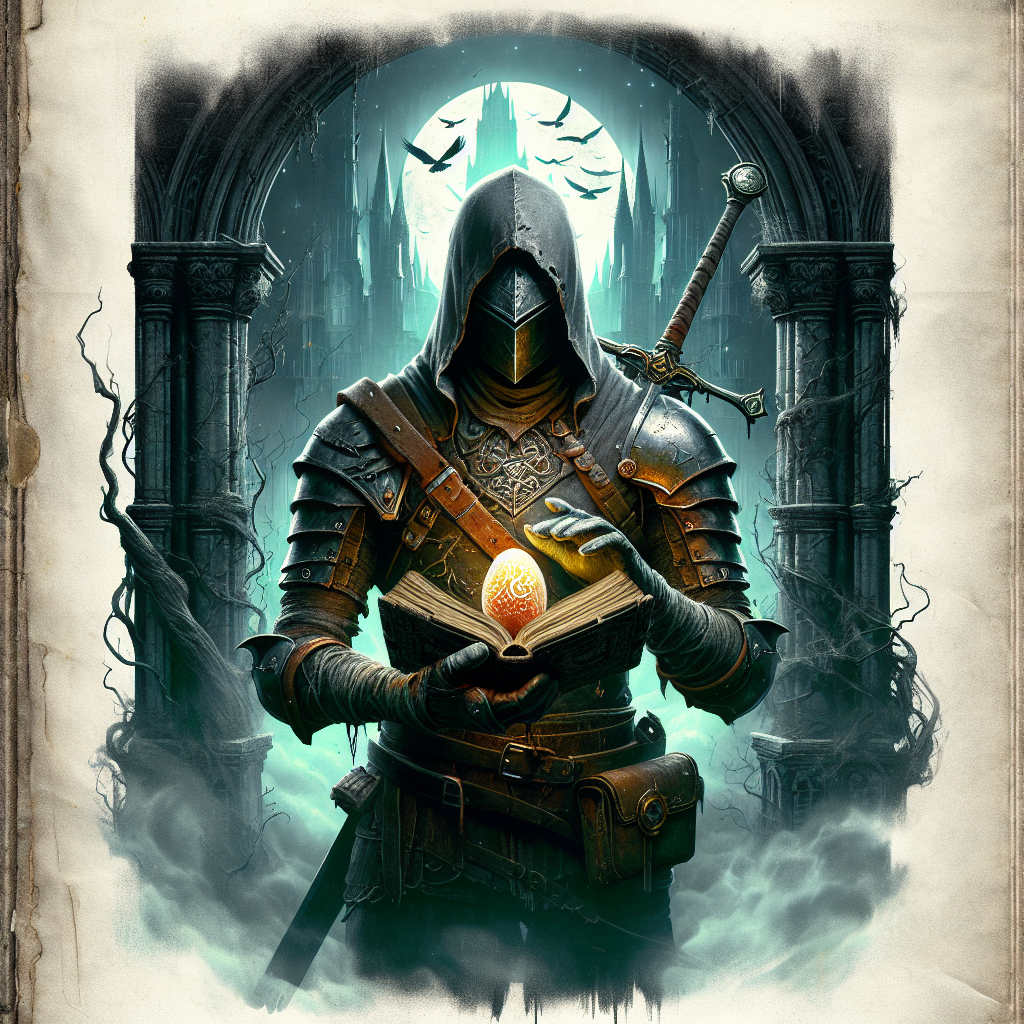
Exploring the richly woven tapestry of Bloodborne, FromSoftware’s critically acclaimed action RPG, reveals not only a gothic landscape teeming with grotesque enemies and visceral gameplay but also a depth of hidden secrets and Easter eggs. These nods enrich the lore and provide a rewarding experience for those who dare to dig deeper. In this Hunter’s Guide, we meticulously unravel these concealed gems, providing an engaging and detailed look into Bloodborne’s Easter eggs, perfect for both veterans and new hunters seeking to enhance their gameplay experience.
1. Subtle Nods to H.P. Lovecraft
Bloodborne is drenched in atmospheric tension reminiscent of H.P. Lovecraft’s mythos. Players can discover numerous Easter eggs paying homage to Lovecraft’s tales of eldritch horrors. For example, Yharnam’s unsettling ambiance and the cosmic horrors lurking within its depths closely mirror Lovecraft’s recurrent themes. The elusive Great Ones, akin to Lovecraft’s “Outer Gods,” blend seamlessly into this world of madness and despair. Moreover, insight mechanics symbolize a hunter’s understanding of cosmic truths, much like the mind-bending revelations faced by Lovecraft’s characters.
2. Homages to Demon’s Souls and Dark Souls
FromSoftware cleverly intertwines elements from its previous titles into Bloodborne, creating a delightful tapestry for fans. The “Lunarium Key,” found in Byrgenwerth, is a clear callback to the “Lunar Key” in Demon’s Souls. Similarly, the recurring theme of the “Moonlight Greatsword” appears as the “Holy Moonlight Sword” in the Old Hunters DLC, rekindling memories for those who’ve wielded this legendary blade in previous games. Such connections solidify Bloodborne’s place within the universe crafted by FromSoftware.
3. The Wilhelm Scream and Other Audio Easter Eggs
Audio Easter eggs add layers of immersion and surprise for attentive hunters. The Wilhelm Scream, a famous stock sound effect, can surprisingly be heard within Yahar’gul, the Unseen Village, when certain enemies meet their demise. Another notable sound delight is the haunting lullaby of “Mergo’s Loft,” reminiscent of themes from earlier FromSoftware titles, which resonates with players traversing its eerie corridors.
4. References to Classic Literature
Bloodborne is replete with allusions to classic literary works. The game’s title and the infamous Blood Moon bear a strong resemblance to Bram Stoker’s “Dracula,” where vampiric themes permeate the narrative. Furthermore, the mad scientists and grotesque creations lurking in Yahar’gul may remind one of Mary Shelley’s “Frankenstein.” These literary ties enrich the narrative, allowing players to explore themes of humanity, monstrosity, and transformation.
5. Character Connections and Hidden Stories
Within Bloodborne, even the most fleeting of characters hold hidden stories and connections. The tale of Eileen the Crow, a fellow hunter, echoes the storylines of hunters past, her questline filled with tragedy and a profound sense of duty. Similarly, the enigmatic Gehrman, the First Hunter, bears backstory elements intertwined with the game’s ultimate truths, waiting for players to piece them together.
6. Cryptic Weapon and Item Descriptions
Delving into the descriptions found on weapons and items unveils Easter egg treasures offering keen insight. For instance, the “Madman’s Knowledge” and the discovery of “Great Ones” tie back into the game’s cosmic horror theme, suggesting significant lore facets. The “Beast Cutter,” resembling a weapon from the Victorian era, further accentuates Bloodborne’s atmospheric period setting, reminding players of humanity’s grotesque potential.
7. Bloodborne’s Chessboard Locations
Yharnam’s maze-like design cleverly incorporates chess motifs. Players may find themselves traversing areas like the Lecture Building, where floor tiles resemble a chessboard pattern. Such subtle design elements hint at the strategic maneuvering required to survive and thrive within the game, underscoring Bloodborne’s intricate structure.
8. The Mysterious Doll and Meta-commentary
The Hunter’s Dream contains one of the most enigmatic figures within Bloodborne: the Doll. This character is thought to echo themes found in Pinocchio, exploring the concept of life created by unnatural means. The Doll’s loving devotion and cryptic comments on the nature of dreams invite players to examine the deeper philosophical questions echoed throughout the game.
9. Linking to William Blake’s Works
Stunning parallels can be drawn between Bloodborne and poet William Blake’s works, particularly “Auguries of Innocence,” which reflects themes of duality and perception inherent in the game. The unsettling beauty of Yharnam mirrors Blake’s vivid imagery, compelling hunters to see beyond the surface of what is real and imagined.
10. Elaborate Boss Encounters and Their Symbolism
Boss battles in Bloodborne are not only tests of skill but also laden with symbolic Easter eggs. The confrontation with Rom, the Vacuous Spider, embodies themes of enlightenment and blindness, reflecting the perilous pursuit of forbidden knowledge. Additionally, the monstrous visage of the One Reborn echoes apocalyptic imagery, channeling end-of-world scenarios reminiscent of Dante’s “Inferno.”
11. The Profound Significance of Status Effects
Status effects in Bloodborne carry profound thematic significance. “Frenzy,” a particularly devastating status, mirrors the insanity associated with uncovering hidden truths, a nod to Lovecraft’s madness-inducing revelations. Poison and bleeding mechanics further illustrate the dangers latent in Bloodborne’s world, warning players against succumbing to temptation and the allure of forbidden knowledge.
12. Subtle Visual Cues and Design
From Yharnam’s gothic architecture to the haunting beauty of the Nightmare of Mensis, Bloodborne’s environmental art is infused with thematic Easter eggs. Lanterns that guide players act as symbolic beacons in an ocean of darkness. Likewise, ominous statues holding hidden secrets urge players to probe the environment carefully, lest they miss the whispers of history echoing through the air.
13. Integration of Religious and Mythological Themes
Bloodborne’s narrative is enriched by religious symbolism and mythology. From the celestial alignment during the Blood Moon to the transformative blood rites, the game crafts a complex web intertwining Christianity, Norse mythology, and alchemical practices. These elements serve as a philosophical backbone, deepening the narrative’s existential and moral questions.
14. Miyazaki’s Signature Design Philosophy
Hidetaka Miyazaki’s design philosophy is often felt through Bloodborne’s interconnected world—a living, breathing organism. Echoing Dark Souls’ level design mastery, Bloodborne’s world invites exploration, offering the sharp-eyed hunter hidden routes, secret passages, and unexpected shortcuts. This philosophy encourages experimentation, rewarding daring players with exclusive encounters and narrative insights.
15. Easter Eggs within Chalice Dungeons
Chalice Dungeons represent a unique facet of Bloodborne’s world, combining procedural generation with meticulously crafted elements. These dungeons house an array of formidable enemies and rare items, many of which nod to Bloodborne’s larger mythos. The majestic Pthumerian Queen, dwelling within these depths, challenges players while also enriching the game’s lore with tantalizing revelations.
16. Allusions to Japanese Folklore
Japanese folklore occasionally peeks through the layers of Western-style horror in Bloodborne. Spirits and yokai analogues appear as grotesque creatures lurking throughout the game. The scourge of beasts, reflective of shapeshifting myths, parallels tales of transformation and warning found within Japanese narrative traditions.
17. Connections to the Real-World History
Certain elements within Bloodborne captivate history enthusiasts, drawing inspiration from Victorian-era events and figures. The medieval architecture of Yharnam resembles real-world European cities, while tales of blood ministration echo historical medical practices. These connections serve to ground Bloodborne’s fantastical elements within a semblance of historical reality.
Navigating Bloodborne’s enigmatic world, uncovering its numerous Easter eggs, and linking them to broader cultural, literary, and historical contexts offers hunters a more profound understanding and appreciation of one of gaming’s most vivid universes. Through attention to detail and a readiness to explore, each foray into Yharnam may uniquely reward those brave enough to seek its secrets.




Post Comment