The Making of The Last of Us Part II: Behind the Scenes with the Developers
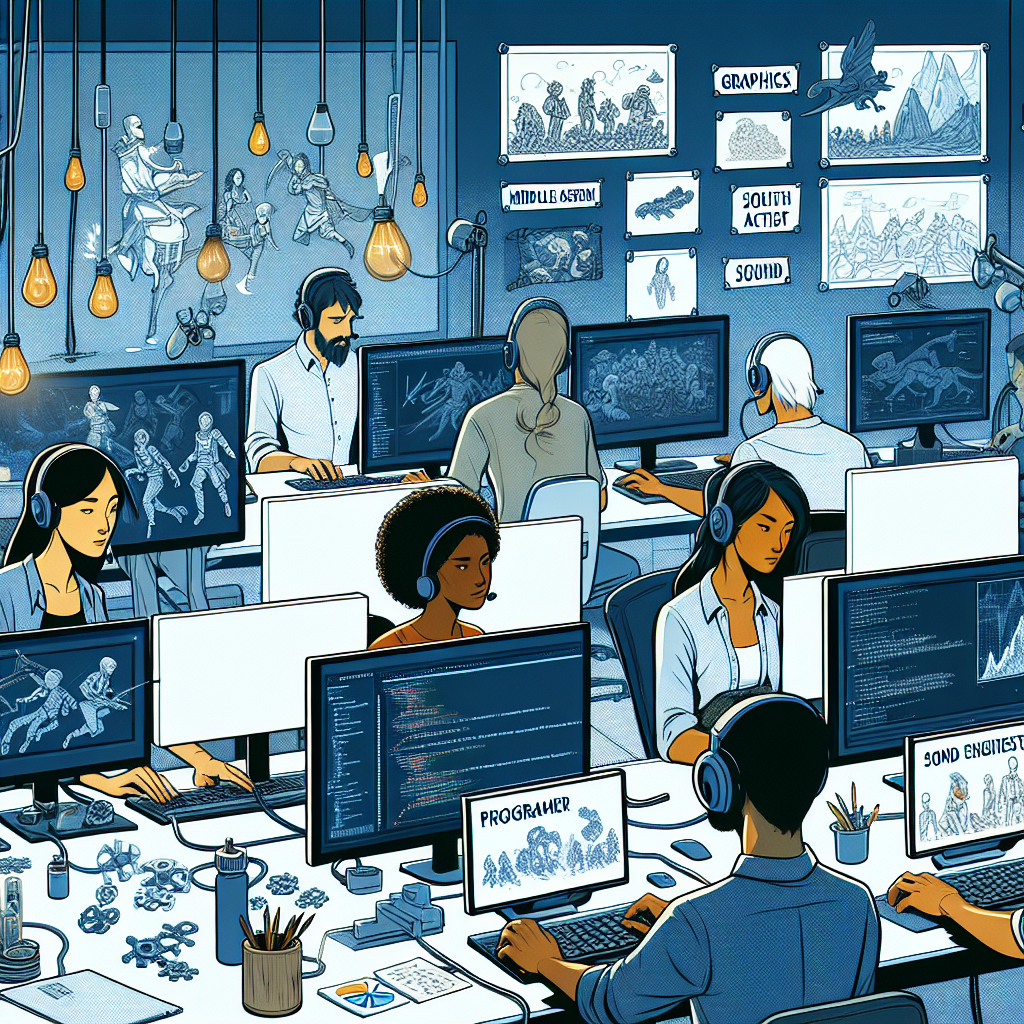
The development of “The Last of Us Part II,” one of the most talked-about sequels in the realm of video gaming, provides a fascinating glimpse into the artistry and innovation behind creating a groundbreaking game. Spearheaded by Naughty Dog, the development journey was marked by intricate design choices, a deeply engaging narrative, and technological advancements that set new standards for the gaming industry. Each element, from storytelling to game mechanics, was meticulously crafted to deliver an unparalleled gaming experience.
Naughty Dog’s project began with the ambition to surpass the original game, which was already a monumental success. The anticipation for the sequel was immense, pushing the team to innovate further in both narrative complexity and technical sophistication. The developers were determined to push the boundaries of interactive storytelling, aiming to invoke a profound emotional response from players. This objective required a concerted effort from diverse departments, including narrative design, graphic engineering, sound design, and animation.
At the core of “The Last of Us Part II” is its narrative, which explores themes of loss, revenge, and morality. Creative director Neil Druckmann and co-writer Halley Gross played pivotal roles in crafting this layered story. Their approach involved extensive character development and a non-linear narrative structure that challenged players’ perceptions and expectations. Drawing from various storytelling mediums, the team conducted thorough research and held discussions to ensure authenticity and emotional depth in the narrative arcs.
The inclusion of a diverse range of characters was another significant focus during development. The team strived to represent authentic voices and experiences, engaging consultants to advise on depicting sensitive topics accurately. Character models became more lifelike through advanced motion capture technology, bringing a heightened level of realism and expressiveness to in-game interactions. Key to this was the collaboration with actors, whose performances were captured beyond traditional voice acting; they embodied the characters physically and emotively, adding nuance and depth.
Technologically, “The Last of Us Part II” pushed the PlayStation 4 hardware to its limits. The game features expansive, detailed environments that enhance the sense of immersion. A new animation system was developed to ensure fluid, realistic movements, allowing characters to interact seamlessly with their surroundings. Coupled with advanced artificial intelligence, these innovations created a dynamic world where players encounter realistic and challenging scenarios.
Sound design played an equally crucial role in amplifying the game’s immersive quality. Audio cues were meticulously layered to create an atmosphere that complements the tense and emotional narrative. Gustavo Santaolalla returned to compose the game’s music, leveraging his unique style to enrich the storytelling with a hauntingly beautiful score. His compositions were integral to evoking the desired emotions and accentuating pivotal moments in the game’s plot.
Moreover, the developers emphasized physical and emotional realism through the game’s mechanics. Stealth and combat systems were enhanced to reflect the character’s growth and the harsh realities of their world. Each encounter in the game required strategic thinking and adaptability, pushing players to engage deeply with the game mechanics. This complexity ensured that gameplay was consistently engaging and challenging, aligning with the overarching narrative themes.
The development cycle was not without its challenges. The team faced intense pressure to meet high expectations while navigating tight deadlines and resource constraints. The rigorous work culture at Naughty Dog, often highlighted in discussions of crunch time in the gaming industry, was a significant aspect during the making of this title. Efforts were made to balance workload and creative output, although the intense production schedule took its toll.
Despite these challenges, the collaborative spirit among the developers fostered a culture of innovation and creativity. Frequent playtests and feedback sessions were integral to refining the game’s features. Developers from various disciplines shared insights and collaborated closely to ensure coherence between the game’s story, mechanics, and artistic vision.
Critically, “The Last of Us Part II” was a commercial success, reflecting the dedication of the team. It received acclaim for its storytelling, graphics, and sound design, all underscored by the careful planning and execution of the developers. The game sparked conversations around inclusivity, emotional engagement in games, and the narratives that video games can explore, cementing its place in the history of gaming.
These elements highlight the intricate processes behind the making of “The Last of Us Part II.” The team’s willingness to innovate and address complex themes is a testament to their passion and dedication. The game not only met the towering expectations set by its predecessor but also expanded the possibilities of what video games can achieve in the broader entertainment landscape. Through careful planning, collaboration, and technological innovation, Naughty Dog delivered a game that continues to resonate with players worldwide.





Post Comment