Fans React: The Most Surprising Moments in The Last of Us Part II
Fans React: The Most Surprising Moments in The Last of Us Part II
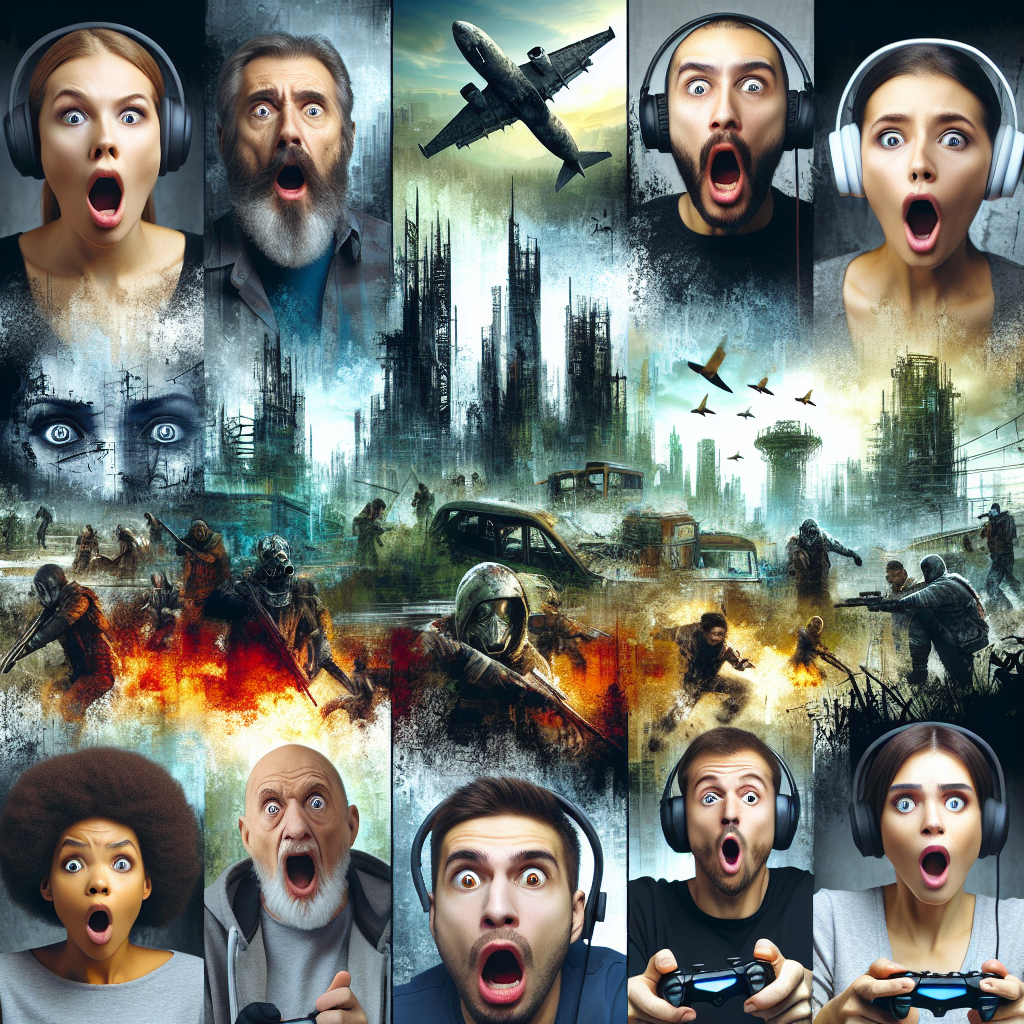
The release of “The Last of Us Part II” was met with widespread anticipation, inviting players back into its post-apocalyptic world dominated by emotional storytelling and complex characters. As gamers navigated through intricate landscapes filled with both human and infected threats, several moments within the game provoked strong reactions. In this analysis, we explore the most surprising moments in “The Last of Us Part II” that left players shocked and sparked intense discussions within the fan community.
The Shocking Death of Joel
Only a few hours into the game, players were met with the unexpected and brutal death of Joel, a character cherished for his deep connection with Ellie in the original game. This moment quickly became one of the most talked-about scenes, setting the stage for the events of the narrative. Fans were blindsided as Joel, who had become a father figure to Ellie and the player’s main avatar in the first installment, was ruthlessly killed by Abby, a new character introduced in this sequel. This controversial choice by the developers to eliminate a pivotal character so early ignited debates on storytelling conventions and player expectations, highlighting the game’s bold narrative decisions. The scene was crafted with intense realism and raw emotion, leaving players grasping for understanding and setting a vengeful undertone for Ellie’s journey.
Ellie’s Vengeful Path
Ellie’s transformation into a character driven by vengeance surprised many fans, who witnessed her evolution from a hopeful teenager to a deeply scarred and determined young woman. Her quest for revenge against Abby saw her taking increasingly extreme measures, with each act pushing her further away from the person she once was. The intensity of Ellie’s metamorphosis invited conversations on the implications of revenge and the cyclical nature of violence. Players anticipated a nuanced exploration of loss and healing, yet found themselves navigating through gut-wrenching decisions that challenged their moral compass, as Ellie’s actions often mirrored those she sought to condemn.
Playing as Abby
At the heart of “The Last of Us Part II” is its dual narrative structure, thrusting players into the shoes of Abby, Joel’s killer, for a significant portion of the game. This unexpected shift not only altered the gameplay dynamic but also challenged players to empathize with a character initially perceived solely as an antagonist. Abby’s storyline delves into her motives, providing a comprehensive look at the consequences of Joel’s actions in the previous game. This narrative device prompted intense discussions among players, pushing them to grapple with themes of empathy, redemption, and perspective. The game’s ability to force a shift in moral alignment is a testament to its intricate storytelling, leaving many players conflicted but deeply engaged.
The Conflict with the Seraphites
The introduction of the Seraphites, a mysterious and fervently religious cult, added layers of complexity to the game’s world-building. Known for their eerie whistling communication and brutal methods, the Seraphites represented a new and formidable enemy for both Ellie and Abby. The game’s depiction of the Seraphites’ rigid beliefs and practices provided insight into how different factions might adapt in a post-apocalyptic world. This narrative component heightened the tension and unpredictability of the story, as players had to navigate not only the landscapes overrun with Infected but also the perils posed by divergent human ideologies.
Lev and the Exploration of Identity
A poignant subplot unfolded with the introduction of Lev, a young Seraphite who challenges the norms of his own community. Lev’s story addresses themes of identity and acceptance, resonating profoundly with players. As a transgender character, Lev embodied the struggles faced in adhering to personal truths within oppressive societal structures. His relationship with Abby added emotional depth, illustrating a genuine bond transcending backgrounds and ideologies. This aspect of the game pushed boundaries in terms of representation and inclusion within the gaming industry, opening the floor for discussions on diversity and the portrayal of marginalized communities in video games. Critics and players alike acknowledged the sensitivity with which Naughty Dog approached Lev’s narrative, appreciating the authenticity and respect embedded in his storyline.
The Ambiguous Ending
“The Last of Us Part II” concluded with an open-ended resolution, steering away from definitive closure. After an intense confrontation between Ellie and Abby, players found themselves grappling with an ending that neither fully resolved the characters’ arcs nor restored their prior innocence. Ellie’s choice to ultimately spare Abby encapsulated the game’s intricate exploration of forgiveness and the struggle to break free from the cycle of revenge. This unresolved narrative choice left players contemplating the characters’ futures, underscoring the notion that healing is a long and uncertain journey. The ambiguity of the finale sparked myriad interpretations and speculation, cementing the game’s reputation as a thought-provoking masterpiece and a testament to the complexities of human emotion.
The Role of Music and Atmosphere
Finally, the game’s use of music and atmosphere significantly contributed to its most surprising moments. Gustavo Santaolalla’s haunting score underscored emotionally charged scenes, enhancing their impact and immersing players deeper into the narrative. The careful crafting of tension through sound design and environmental storytelling amplified the unexpected turns in the plot, illustrating the meticulous attention to detail employed by the developers. This harmonious blend of music and narrative structure was pivotal in evoking the desired emotional responses, reinforcing the game’s capacity to surprise and resonate with its audience.
These moments in “The Last of Us Part II” illustrate the power and potential of video game storytelling. The emotional complexity and unexpected twists embedded within the narrative have solidified the game’s place as a landmark in the medium, challenging conventions and engaging players in meaningful discourse. This game has undeniably succeeded in leaving an indelible mark, prompting fans to reflect on its surprising moments and their implications long after the credits roll.






Post Comment