PUBG Mobile’s Influence on Mobile Gaming Trends
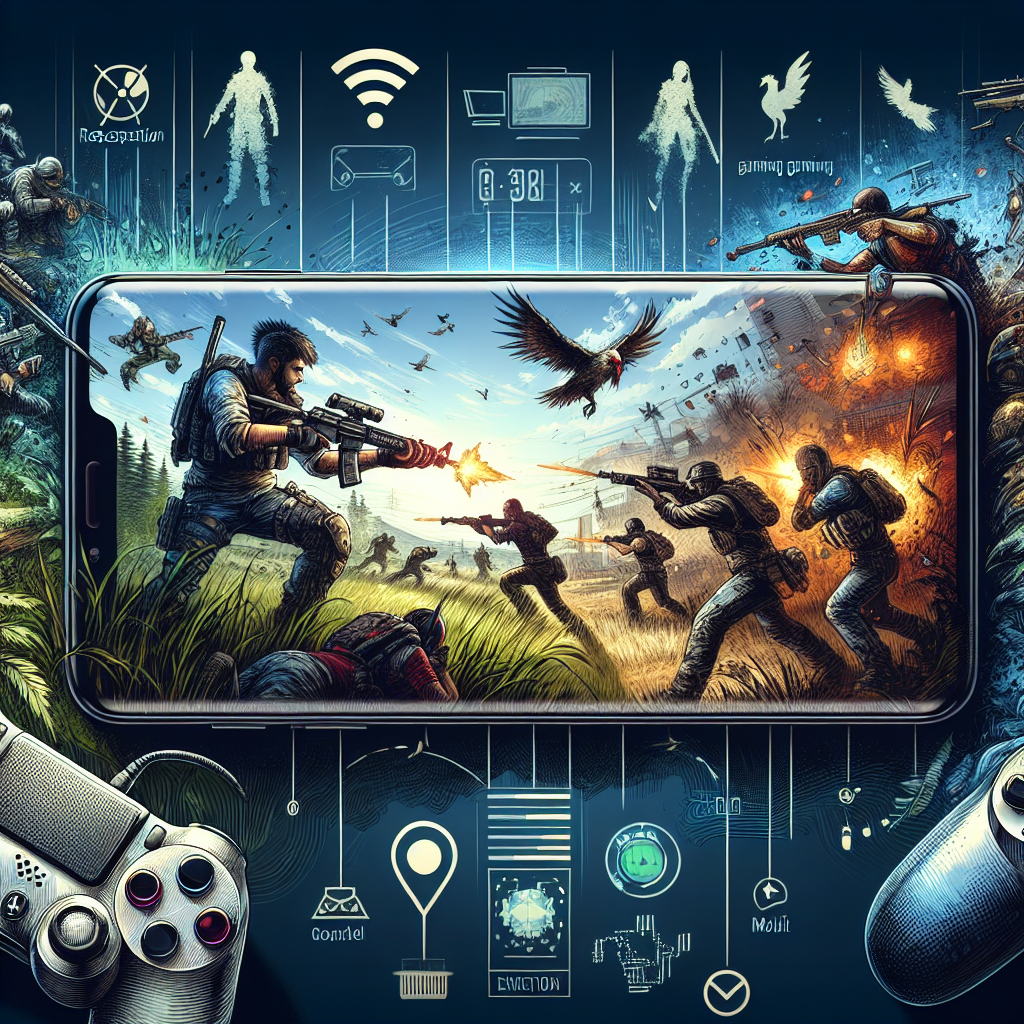
PUBG Mobile: Transforming the Landscape of Mobile Gaming
The Birth of a Revolution
PlayerUnknown’s Battlegrounds Mobile, known universally as PUBG Mobile, burst onto the scene in 2018, setting the stage for a seismic shift in mobile gaming. Its success can be attributed to the faithful translation of the popular PC game PUBG to the mobile platform, a feat that seemed Herculean at the time. The appeal of PUBG Mobile lies in its accessible battle royale format – 100 players parachuting onto a remote island, scavenging for weapons and fighting to be the last person standing; a concept that captured the imagination of millions worldwide.
Public Reception and Viral Growth
PUBG Mobile’s launch catalyzed a rapid expansion in the battle royale genre. Unlike its predecessors on PC and consoles, PUBG Mobile was free-to-play and available on a platform accessible to billions globally. The game’s initial success was partly due to its strategic release in emerging markets such as India and Southeast Asia, where the smartphone was already becoming the dominant gaming device. The viral nature of its growth was facilitated by social media platforms where countless gameplay videos, memes, and strategies were shared, enticing more players to join.
Technological Advancements and Accessibility
The development team behind PUBG Mobile worked diligently to optimize the game’s performance across various devices, ensuring it could run smoothly on both high-end and budget smartphones. This commitment to accessibility broadened its appeal compared to PC and console counterparts. The introduction of Lite versions allowed players with less powerful devices to enjoy nearly the same experience, expanding its reach further.
PUBG Mobile showcased the capabilities of mobile devices in rendering complex, large-scale, multiplayer environments traditionally reserved for more powerful PCs and consoles. This, in turn, pushed hardware manufacturers to develop phones with better graphics processing capabilities, aiming to deliver the best gaming experience possible. As a result, mobile manufacturers started marketing gaming-centric models, competing for dominance in this newly lucrative niche of gaming smartphones.
Monetization Strategies Impacting the Industry
PUBG Mobile’s success wasn’t just about gameplay; it was about building a sustainable revenue model in the mobile gaming world. The game popularized a variety of monetization strategies that many future games would emulate. In-game purchases for cosmetic items, season passes, and battle passes became major revenue streams that enhanced player engagement without being pay-to-win. These strategies were pivotal in proving that free-to-play models could not only be successful but highly lucrative.
The game’s monetization model has influenced numerous other mobile titles, creating a shift where the focus is on user engagement and satisfaction rather than upfront sales. This ripple effect has seen many mobile games adopt similar models, realizing that the potential for long-term earnings outweighs initial purchase prices.
Competition and Market Evolution
The success of PUBG Mobile prompted a wave of new entrants into the mobile battle royale market, leading to fierce competition. Games like Fortnite, Call of Duty: Mobile, and Garena Free Fire have appealed to different player bases by introducing unique features, graphics, and gameplay mechanics. This competition drove rapid innovation and diversification within the genre and mobile gaming as a whole, improving overall quality and variety.
The competitive atmosphere didn’t just prompt new games; it forced ongoing development and feature additions in existing games. Regular updates introducing new maps, modes, and events became commonplace, setting new standards for player expectations and engagement. PUBG Mobile, for example, continuously updates its content, introducing crossover events, new equipment, and seasonal themes, keeping the game fresh and intriguing for its players.
E-Sports and Community Engagement
One of the most significant impacts of PUBG Mobile is its role in the proliferation of mobile e-sports. It has laid the groundwork for global mobile gaming tournaments, bringing professional players and teams into the limelight. Tournaments like the PUBG Mobile Global Championship have helped to legitimize mobile gaming as a serious competitive platform.
PUBG Mobile’s rise in e-sports has galvanized community engagement, development of local tournaments, and increased the overall visibility of mobile gaming in the media. Brands across industries have recognized this potential, leading to sponsorships and partnerships that further embed mobile gaming in mainstream culture. The engagement fostered by PUBG Mobile has solidified communities through features like team battles, guilds, and chats, enhancing the social aspect of mobile gaming.
Impact on Game Design and Features
PUBG Mobile’s influence extends to game design, particularly in user interface and control schemes, which have been meticulously refined to suit mobile play. Its achievement in creating intuitive touch controls and a layout adaptable to varying screen sizes has become a blueprint for new mobile titles. Future mobile games strive to emulate its success by focusing on clean, user-friendly interfaces that maximize the immersive experience without compromising on functionality.
Moreover, PUBG Mobile’s implementation of real-time voice chat broke new ground in mobile gaming, allowing players to communicate seamlessly during gameplay. This feature has now become a staple in multiplayer mobile games, enhancing the cooperative aspect and realism of mobile gaming experiences.
Cultural Impact and Global Reach
The extensive reach of PUBG Mobile has had a profound cultural impact. The game became a cultural phenomenon in countries where gaming was not traditionally viewed as a major form of entertainment. It has helped in breaking down barriers, making gaming more socially acceptable and even desirable among traditionally non-gaming demographics.
In countries like India, PUBG Mobile transcended economic and social barriers and became a unifying factor among youth, facilitating a shared cultural staple. Its impact was so pronounced that its temporary bans in certain markets due to geopolitical tensions caused notable social disruption, highlighting its entrenched position in daily life.
Augmented Reality and Future Trends
The massive popularity of PUBG Mobile introduced discussions around augmented reality (AR) and its potential integration with mobile gaming. While not a pioneer in AR, PUBG Mobile’s demand for high-quality graphics and immersive experience has encouraged developers to explore how AR can further enhance player engagement in future titles. This could lead to new trends where immersive experiences are blended with real-world interactions, paving the way for next-generation mobile gaming.
Technological advancements spurred by PUBG Mobile’s demand include developments in cloud gaming. As the infrastructure for cloud gaming matures, it will allow more complex games to be streamed on mobile devices, breaking current hardware limitations and further blurring the lines between PC, console, and mobile gaming tiers.
Conclusion
Overall, PUBG Mobile has left an indelible mark on the mobile gaming industry. It has set new standards for game design, monetization, and player engagement. By focusing on community and competition, it has not only become a game but a platform that reflects the cultural and social fabric of modern society. Its influence is a testament to the boundless potential of mobile gaming, shaping trends and setting a path for future innovations in the industry.










Post Comment